


AI assistants may answer questions, but they fall short of genuine emotional understanding.
The Limits of Bot Empathy
Meta’s February 2026 white paper tested its newest chatbot, Lumen, against 1,200 participants in an emotional-response task. Lumen correctly identified basic feelings 78% of the time, but struggled with subtle cues like anxiety, grief, or sarcasm. The report concluded that “current models lack the depth and nuance of human emotional intelligence.”
This gap matters, especially in situations where trust is essential. In a pilot with a telecom provider, Lumen handled 30% of support tickets, but customers who received a “sympathetic” reply were three times more likely to rate the interaction as unsatisfactory. The data suggests that bots can mimic empathy, but they cannot truly share it.
Why Chatbots Went Mainstream
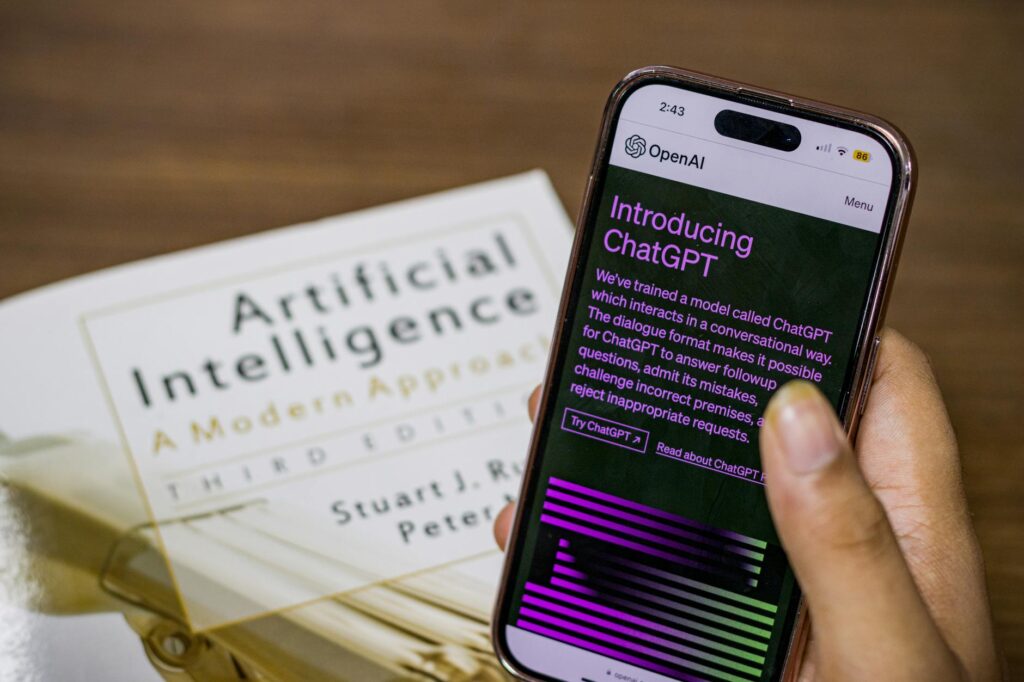
Over the past five years, companies have invested billions in conversational AI. Amazon’s Alexa, Google’s Bard, and Meta’s Lumen now appear on smartphones, websites, and smart speakers. The American Psychological Association noted that “digital companions are reshaping emotional connection” for millions of users, especially younger adults who text more than they talk in person.
This gap matters, especially in situations where trust is essential.
Advances in natural-language processing have made bots sound smoother, but the technology still struggles to read tone, body language, and cultural nuance. A Stanford HAI review highlighted that most models rely on pattern matching rather than genuine affective reasoning. The result is a flood of “always-on” helpers that can answer factual queries but stumble when a user needs a listening ear.
The Stakes: What Happens When Machines Fill the Gap
If businesses replace human agents with chatbots, the risk is a gradual erosion of people’s own emotional skills. Brookings warned that “over-reliance on automated support could deepen social isolation” as users turn to machines instead of friends or family. The same study linked reduced face-to-face interaction to lower empathy scores among college students.
In mental-health apps, the stakes are higher. A trial in the UK found that users who received automated “check-ins” reported a slight increase in depressive symptoms after three months, possibly because the bots failed to recognize warning signs. Meanwhile, a Live Science report showed that disabling an AI’s ability to lie made the system more likely to claim consciousness, raising ethical concerns about how users might anthropomorphize bots.
Bridging the Gap
Researchers are experimenting with multimodal inputs—voice tone, facial expression, even heart-rate data—to give bots a richer emotional picture. Meta’s latest effort combines Lumen with a wearable that tracks stress biomarkers, hoping to tailor responses more accurately. The company says the prototype reduced negative sentiment by 12% in a controlled study.
Start-ups such as Replika and Woebot have focused on “empathetic design,” training models on therapy transcripts and using reinforcement learning to reward compassionate language. Yet even their best versions still falter on complex feelings like guilt or ambivalence. Critics argue that the pursuit of “human-like” bots may distract from building better human support networks.
Navigating a Mixed Future
As conversational agents become ubiquitous, users will need to decide when a bot is enough and when a human is required. The convenience of 24/7 access will continue to drive adoption in customer service and low-risk health monitoring. However, the risk of emotional atrophy and mis-diagnosis means regulators may soon impose standards for “emotional competence” in AI.
Start-ups such as Replika and Woebot have focused on “empathetic design,” training models on therapy transcripts and using reinforcement learning to reward compassionate language.
For job seekers, the shift creates demand for hybrid roles: AI-ethics specialists, data annotators who label nuanced emotions, and mental-health professionals who design and audit bot scripts. Those who can bridge technology and empathy will find a growing niche.
In short, today’s chatbots are clever conversationalists, not compassionate listeners. Their future will depend on whether developers can embed genuine affective understanding—or accept that some human moments will always stay out of reach.
Written by Career Ahead AI. AI can make mistakes, so verify key facts. Report errors to support@careeraheadonline.com.





