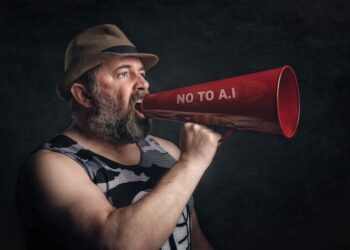
Meta is prioritizing AI safety evaluators in response to growing concerns about the ethical implications of AI technologies. This trend reflects a broader shift in the tech industry towards accountability and safety in AI development.
Meta, led by CEO Mark Zuckerberg, is reportedly emphasizing AI safety evaluators in its development processes in response to growing concerns about the safety and ethical implications of AI technologies. This move aims to address potential risks associated with AI deployment while ensuring that safety evaluations are prioritized.
This pivot reflects a broader trend in the tech industry where companies are increasingly scrutinizing the implications of AI. As Meta positions itself at the forefront of AI development, the emphasis on evaluators highlights the need for accountability and thorough assessment in AI projects.
Growing Demand for AI Safety Evaluators
The demand for AI safety evaluators may be increasing as organizations recognize the importance of ensuring their AI systems operate safely and ethically. Analysts suggest that companies are beginning to prioritize roles focused on evaluating AI technologies, which indicates a shift from traditional development roles. This trend implies that machine learning engineers may need to adapt their skills to align with these new evaluation standards.
While specific data from Meta on the integration of safety evaluators is not available, there is a general expectation that such roles will become more common in the industry. This change could enhance the safety of AI systems and create a new job market for specialized evaluators. Consequently, machine learning engineers might find themselves collaborating more closely with these evaluators to ensure that their projects meet safety benchmarks.
Additionally, organizations like the World Economic Forum have discussed the necessity of establishing robust evaluation metrics for AI technologies. These metrics are intended to guide the development process, ensuring that safety is a fundamental aspect of AI deployment. Engineers may need to engage with these metrics and incorporate them into their workflows.
Research indicates that the shift towards evaluators is a necessary evolution in the tech landscape. As AI systems become more complex, the potential risks associated with their misuse or malfunction increase. Therefore, the role of safety evaluators could be critical in mitigating these risks and ensuring public trust in AI technologies.
Engineers may need to engage with these metrics and incorporate them into their workflows.
China's efforts to attract foreign AI researchers are hampered by salary disparities, job security concerns, and geopolitical tensions with the U.S., which continues to dominate…
For machine learning engineers, the prioritization of AI safety evaluators may signify a change in how projects are approached. Engineers might need to consider safety evaluations as an integral part of their development processes. This shift could require them to enhance their understanding of safety protocols and metrics that evaluators will use to assess AI systems.
Meta’s emphasis on evaluators could also indicate a potential change in regulatory compliance for AI development. As governments and regulatory bodies begin to impose stricter guidelines on AI technologies, engineers will need to stay informed about these regulations. The ability to navigate compliance issues may become a valuable skill set for those in the field.
Furthermore, as the demand for AI safety evaluators grows, machine learning engineers might face increased competition for roles that require advanced safety knowledge. Engineers who can demonstrate expertise in safety evaluation methodologies may have a competitive edge in the job market. This suggests that continuous learning and adaptation will be crucial for professionals looking to thrive in this evolving landscape.
Looking Ahead: The Future of AI Development The future of AI development may undergo significant transformation as companies like Meta focus on safety evaluations.
In summary, the shift towards prioritizing AI safety evaluators is reshaping the role of machine learning engineers. Those who embrace this change and develop relevant skills may be better positioned to succeed in an industry that increasingly values safety and accountability.
Looking Ahead: The Future of AI Development
The future of AI development may undergo significant transformation as companies like Meta focus on safety evaluations. This shift could pave the way for new industry standards that emphasize ethical considerations in AI deployment. As safety evaluators become more integrated into development teams, the landscape of AI technology may evolve to prioritize responsible innovation.
Moreover, this trend could influence regulatory frameworks globally, prompting governments to establish clearer guidelines for AI safety. As these regulations take shape, machine learning engineers will need to adapt to a more structured environment where safety protocols are paramount.
OpenAI has released 722 manuscripts detailing significant mathematical breakthroughs that could transform AI and data science. These findings are expected to enhance machine learning efficiency…
As the tech industry continues to grapple with the implications of AI, professionals must remain vigilant about emerging trends and shifts in focus. The integration of safety evaluators represents one aspect of a broader movement towards responsible AI development that emphasizes accountability and transparency.
Ultimately, the question remains: how will these developments impact the future job market for machine learning engineers and AI safety evaluators? As the industry evolves, staying ahead of these changes will be essential for professionals looking to make their mark in the AI space.
Participating in training programs and professional networks can also help them stay informed about best practices in the industry.
Frequently Asked Questions
What skills do AI safety evaluators need?
AI safety evaluators require a strong understanding of AI technologies, risk assessment methodologies, and regulatory compliance. They must be able to analyze AI systems critically and provide insights on safety measures.
How can machine learning engineers adapt to new evaluation standards?
Machine learning engineers can adapt by enhancing their knowledge of safety metrics and protocols. Engaging with safety evaluators during the development process will also help them align their projects with emerging standards.
What should AI safety evaluators do to stay relevant in a fast-evolving field?
AI safety evaluators should continuously update their knowledge of AI technologies and regulatory changes. Participating in training programs and professional networks can also help them stay informed about best practices in the industry.




AI & Technology
 AI & Technology