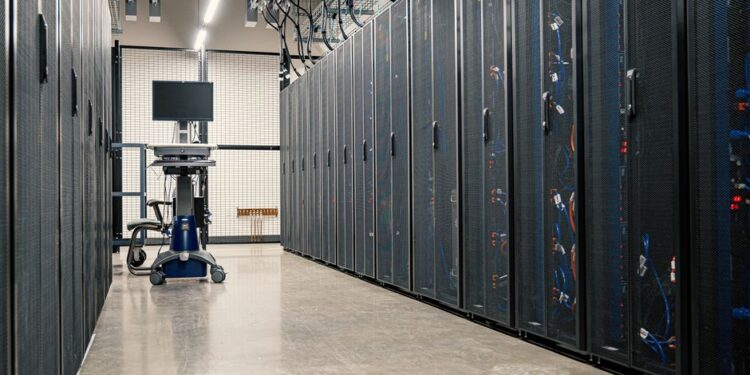
Hyderabad, India — Microsoft has launched its largest data center in the country, significantly enhancing its cloud service capabilities. The new facility, part of a $20.5 billion investment in India, will serve major clients including Adani Group and HDFC Bank. This expansion brings Microsoft’s total cloud regions in India to four, solidifying its position as the leading cloud provider in the region.
The launch of this data center comes at a time when demand for cloud services is surging, driven by the increasing reliance on digital solutions across various sectors. The new facility is expected to support the growing needs of businesses in India, particularly in the artificial intelligence (AI) sector. Microsoft’s Azure platform has already seen double-digit revenue growth in India over the past two years, indicating a robust market potential. According to a report from Mint, this growth trajectory is expected to continue as more companies adopt cloud solutions to enhance their operational efficiency.
Surge in Demand for Cloud Engineers
The establishment of Microsoft’s new data center is set to create a surge in demand for cloud engineers in India. As more companies migrate to cloud-based solutions, the need for skilled professionals who can manage and optimize these systems becomes critical. Career Ahead’s analysis identifies that cloud engineers with expertise in Microsoft Azure will be particularly sought after, as companies look to leverage this platform for their operations. The demand is not just limited to technical skills; professionals will also need to understand the business implications of cloud technologies to align IT strategies with organizational goals.
With the rapid growth of AI technologies, cloud engineers will also need to integrate AI capabilities into their cloud infrastructures. This integration requires a blend of software development skills and an understanding of cloud architecture. As businesses in India increasingly adopt AI-driven solutions, cloud engineers equipped with these skills will find themselves in high demand. Additionally, the integration of AI into cloud services will necessitate continuous learning and adaptation, as technologies evolve and new tools emerge.
The demand is not just limited to technical skills; professionals will also need to understand the business implications of cloud technologies to align IT strategies with organizational goals.
The current installed data centre capacity in India stands at about 1.3-1.4 GW. Notably, third-party colocation facilities dominate this landscape, accounting for 60-65% of the…
Alongside the demand for cloud engineers, the launch of Microsoft’s data center presents significant opportunities for data center managers. Major corporations like Adani Group and HDFC Bank will require skilled managers to oversee their cloud operations effectively. These roles will be crucial in ensuring the smooth functioning of data centers, which are vital for maintaining the integrity and security of cloud services. According to Mint, the new facility is expected to create numerous managerial positions that will focus on optimizing operations and ensuring compliance with regulatory standards.
Data center managers will be responsible for a range of tasks, including infrastructure management, team leadership, and ensuring compliance with regulatory standards. As more businesses move their operations to the cloud, the role of data center managers will evolve, requiring a combination of technical knowledge and managerial skills. Career Ahead’s research indicates that professionals who can demonstrate expertise in both areas will be highly valued. Moreover, as data centers become more complex with the integration of advanced technologies, data center managers will need to stay abreast of the latest developments in cloud computing and AI. Continuous learning and adaptation will be essential for professionals in this field to remain competitive.
Impact on the Tech Ecosystem in India
The partnership between Microsoft and these major corporations is indicative of a growing trend where large tech companies collaborate with local enterprises to enhance their service offerings. This collaboration not only benefits the companies involved but also contributes to the overall growth of the tech ecosystem in India. As these partnerships deepen, they will likely foster innovation and drive further investment in the local tech landscape, creating a robust environment for growth and development.
As Microsoft continues to invest in its cloud infrastructure in India, the ripple effects are likely to be felt across the tech industry. Companies will need to adapt to these changes and invest in their workforce to remain competitive in this evolving landscape. The future looks promising for cloud engineers, data center managers, and IT infrastructure specialists in India. With the tech industry rapidly evolving, professionals who can adapt and upskill will find themselves at the forefront of this transformation.
Frequently Asked Questions
What skills are needed for cloud engineers in India working with Microsoft?
Cloud engineers in India should focus on gaining expertise in Microsoft Azure, as well as understanding cloud architecture and AI integration. Skills in software development and systems management are also essential.
China's rapid technological advancements in AI and robotics are causing significant disruptions in the U.S. tech landscape, prompting urgent discussions about national security and market…
Skills in software development and systems management are also essential.
How can data center managers leverage the new facilities in Hyderabad?
Data center managers can leverage the new facilities by enhancing operational efficiency and ensuring compliance with industry standards. They will also need to manage teams effectively as cloud operations expand.
What should IT infrastructure specialists do to prepare for the demand from new data centers?
IT infrastructure specialists should focus on developing skills in network architecture, data management, and systems integration. Staying updated with advancements in cloud technologies and AI will also be crucial.