No products in the cart.

Microsoft Lays Off 4,800 Amid Xbox Revamp

Microsoft's recent layoffs are part of a strategy to pivot towards artificial intelligence and cloud gaming technologies, significantly impacting its Xbox division.

Microsoft announced on July 6, 2026, that it will cut approximately 4,800 jobs, equating to about 2% of its global workforce, as part of a significant restructuring of its Xbox gaming division. This move includes the elimination of roughly 3,200 positions within Xbox, marking one of the most substantial overhauls in the division’s history.
The layoffs are part of a broader strategy to pivot towards artificial intelligence (AI) and cloud gaming technologies. Microsoft has been investing heavily in these areas, aiming to adapt to the changing landscape of the gaming industry. The restructuring follows a series of layoffs across the tech sector, reflecting a shift in priorities as companies respond to market demands. As reported by BBC, this decision is emblematic of a larger trend in the industry where companies are reassessing their workforce in light of evolving technological needs.
Restructuring Xbox: A Shift in Focus
The decision to cut jobs comes as Microsoft’s Xbox division faces increasing pressure to innovate and remain competitive. CEO Asha Sharma noted that the business is currently “not healthy,” with profit margins reported to be significantly lower than those of competitors. This restructuring involves spinning off or selling four game studios, while another studio is under review for potential closure, indicating a drastic shift in how Microsoft plans to manage its gaming portfolio. The GeekWire article highlights that these changes are not just about reducing costs but are aimed at repositioning Xbox for future growth in a competitive market.
Career Ahead’s analysis finds that this overhaul is not merely a cost-cutting measure but a strategic pivot towards a future where cloud gaming and AI play central roles. The company’s focus on embedding AI technologies into its operations suggests that Microsoft is preparing to redefine the gaming experience. As the gaming landscape evolves, developers will need to adapt to these new technologies and methodologies. The integration of AI is expected to streamline game development processes, potentially allowing for more personalized gaming experiences and enhanced player engagement.
This restructuring also reflects a broader trend in the tech industry, where companies are increasingly leveraging AI to enhance productivity and efficiency. Microsoft’s commitment to AI is evident in its recent initiatives, including a $2.5 billion investment to integrate engineers into enterprise clients to accelerate AI adoption. This could mean that the roles within Xbox may evolve to include a greater emphasis on AI integration in game development. As the company shifts its focus, the remaining workforce will likely need to develop new skills to keep pace with these advancements.
As the company shifts its focus, the remaining workforce will likely need to develop new skills to keep pace with these advancements.
You may also like
 Industry & Global Trends
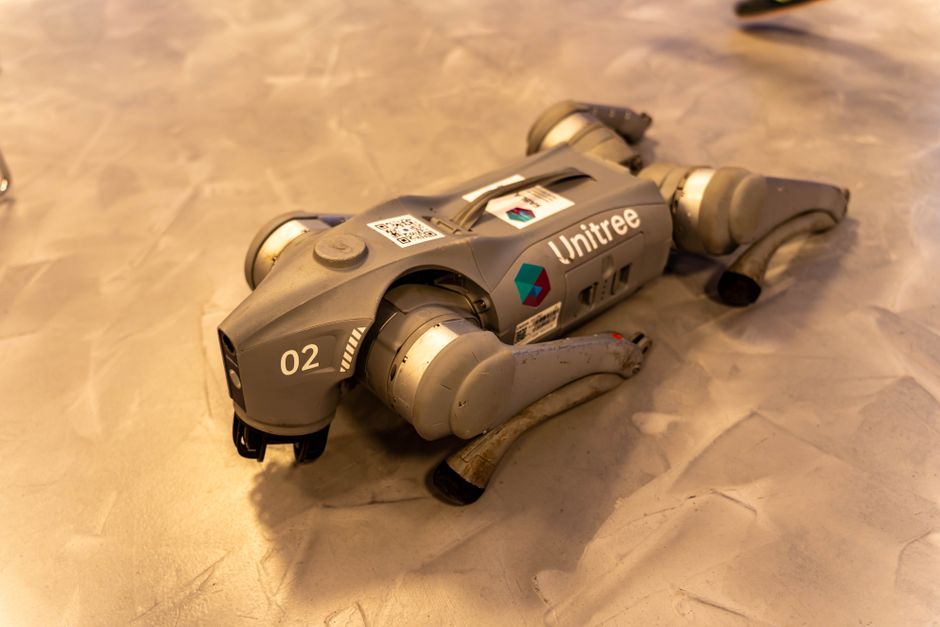
Unitree Robotics IPO Signals Growth | Career Outlook
Unitree Robotics has successfully priced its IPO at $900 million, marking a pivotal moment for the humanoid robotics industry. This event signals a growing confidence…
Read More →As Microsoft transitions to this new model, the impact on game development timelines could be significant. With fewer teams and a shift in focus, developers may face delays in project launches and a reallocation of resources. This could alter the competitive landscape, giving rise to new opportunities for smaller studios that can adapt more quickly to these changes. The restructuring may also lead to a consolidation of resources, which could streamline operations but also risk stifling creativity if not managed carefully.
Implications for Game Developers and Product Managers
The layoffs at Microsoft will directly affect game developers and product managers working within the Xbox division. With a significant reduction in workforce, those remaining may find themselves with increased responsibilities as the company seeks to streamline operations. This could lead to a more intense work environment, where adaptability and efficiency become paramount. The pressure to deliver results quickly may also increase, potentially impacting the quality of game development.
Product managers will need to navigate a rapidly changing landscape, balancing the demands of existing projects while integrating new AI technologies into their workflows. Career Ahead research identifies that skills in AI and cloud technologies will become increasingly essential for professionals in the gaming industry. Those who can effectively leverage these tools will likely find themselves in higher demand as the industry evolves. As the focus shifts towards cloud gaming, product managers will also need to consider how to optimize user experiences across various platforms, ensuring that games are accessible and engaging for a diverse audience.
Moreover, the restructuring of teams may result in shifts in project management methodologies. As studios are spun off or closed, remaining teams will need to adopt agile practices to respond to the dynamic nature of the market. This agility will be crucial for meeting the evolving expectations of gamers and stakeholders alike. The emphasis on rapid iteration and feedback loops will require teams to be more collaborative and communicative, fostering an environment where innovation can thrive despite the challenges posed by reduced headcount.
This transition will require ongoing education and training, particularly in areas related to AI and machine learning, which are becoming integral to game design and development.
As the gaming industry continues to pivot towards cloud-based solutions, developers will need to familiarize themselves with new platforms and tools. This transition will require ongoing education and training, particularly in areas related to AI and machine learning, which are becoming integral to game design and development. The ability to adapt to these new technologies will be a key differentiator for professionals in the field as they seek to advance their careers in an increasingly competitive environment.
You may also like
 Industry & Global Trends
Hadrian Defense Startup Hits $7.87 Billion Valuation
Hadrian, a defense startup, has achieved a valuation of $7.87 billion, reflecting a significant trend in the global defense sector as military spending rises and…
Read More →The future of Xbox hinges on how effectively Microsoft can implement its new strategy while managing the fallout from these layoffs. As the company reallocates resources towards AI and cloud gaming, it will be crucial for it to maintain a competitive edge in a rapidly evolving market. The success of this restructuring will likely depend on the company’s ability to innovate and adapt to the changing preferences of gamers.
Furthermore, the impact of these layoffs may extend beyond Microsoft. As the gaming industry shifts towards AI and cloud technologies, other companies may follow suit, leading to a broader trend of restructuring across the sector. This could create a ripple effect, influencing hiring practices and project management strategies throughout the industry. As Microsoft navigates this transition, it will be essential for industry stakeholders to monitor developments closely. The potential for new technologies to reshape the gaming experience is immense, but it also poses challenges for those who must adapt to these changes. The question remains: can Microsoft successfully pivot to a new model while maintaining its position as a leader in the gaming industry?
Frequently Asked Questions
What does Microsoft’s layoffs mean for game developers?
Career Ahead analysis shows that game developers within Microsoft may face increased workloads and expectations as the company reduces its workforce. Those who can adapt to new AI technologies will be better positioned for future opportunities.
Career Ahead analysis shows that game developers within Microsoft may face increased workloads and expectations as the company reduces its workforce.
How can product managers adapt to changes in Xbox’s structure?
Product managers will need to embrace agile methodologies and develop skills in AI and cloud technologies to stay relevant in the evolving gaming landscape. This adaptability will be crucial for managing projects effectively.

What skills are becoming essential for software engineers in the gaming industry?
As the industry shifts towards AI and cloud gaming, software engineers will need to develop expertise in machine learning and cloud-based platforms. Familiarity with these technologies will be key to remaining competitive.
You may also like
 Industry & Global Trends
Monster Beverage Sees Sales Jump on International Growth
As the demand for energy drinks continues to rise globally, Monster Beverage's ability to adapt its marketing strategies to different cultural contexts has proven essential.
Read More →