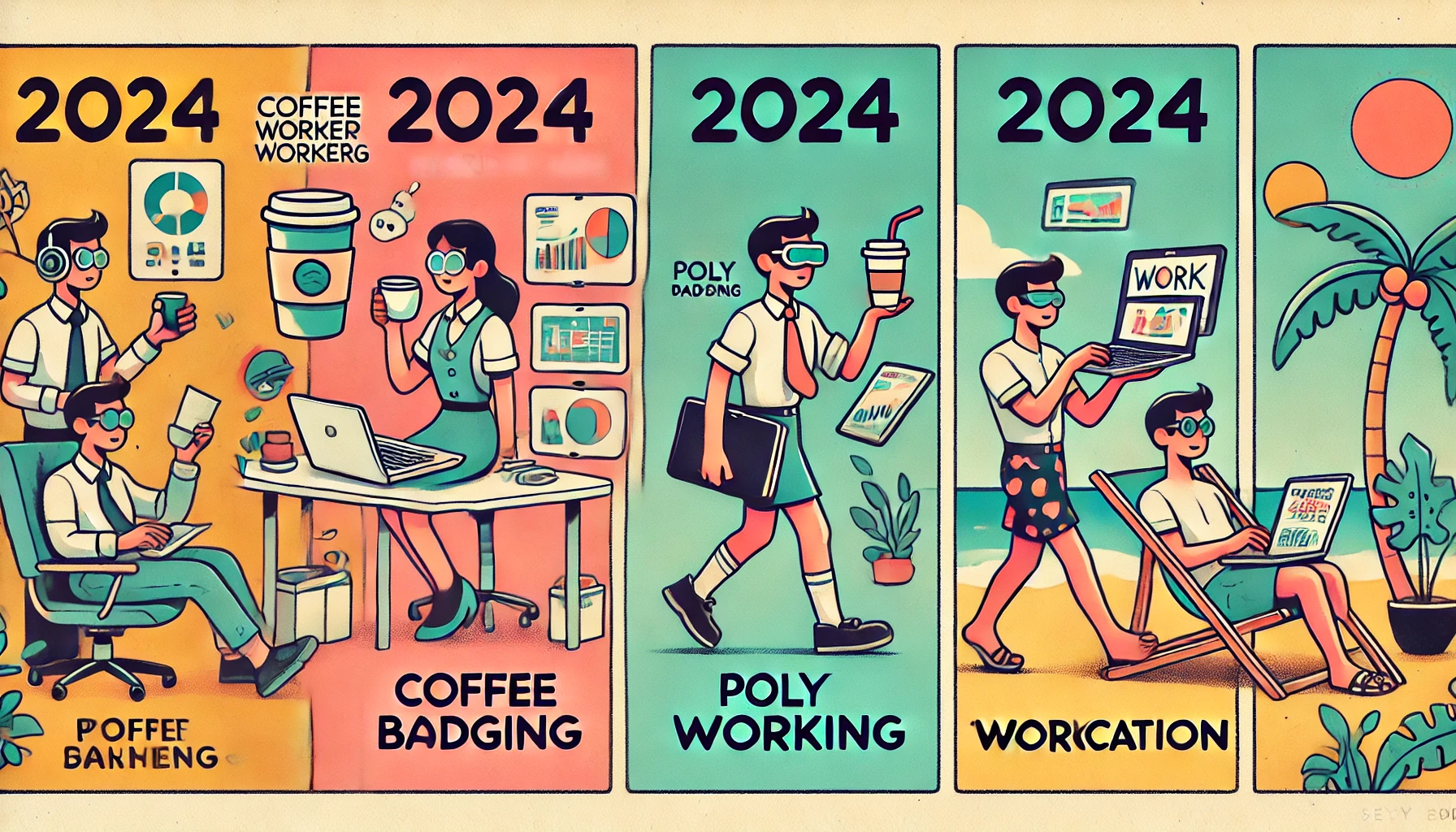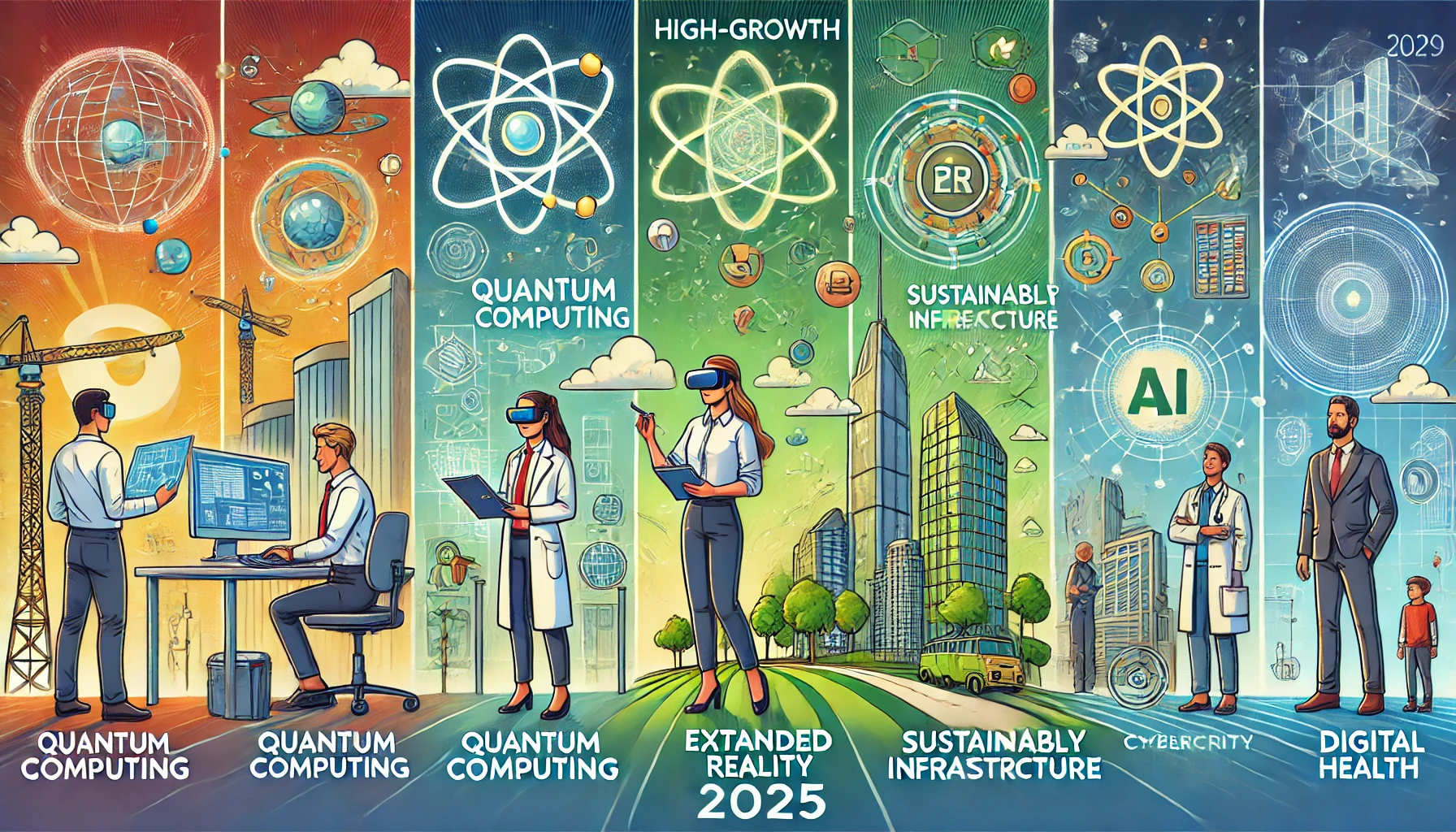
The prevailing career advice still treats professionalism as a static badge—one that is earned early, displayed unchanged, and then leveraged for a single, linear trajectory; yet the reality of 2026 shows a workplace where AI reshapes roles almost nightly, and where seven HR trends now demand constant reinvention. This mismatch leaves many mid‑career operators clinging to outdated roadmaps while their organizations reward fluidity, creativity, and cross‑domain agility. To make sense of this churn, we introduce the Professional Adaptability Matrix, a diagnostic that captures the new dimensions of professional identity and guides purposeful skill development.
The Professional Adaptability Matrix: components
The Matrix rests on five interlocking pillars, each reflecting a shift in what employers value and what workers must cultivate.
- Skill Fluidity – the breadth and depth of transferable competencies that can be recombined across functions.
- Identity Mosaic – the composite self‑concept that blends specialist expertise with emerging generalist roles.
- AI Integration Quotient – the capacity to partner with automation, augmenting output rather than being displaced.
- Boundary Flexibility – the willingness to blur, negotiate, and redesign the line between work and personal life.
- Emotional Agility – the ability to read, influence, and adapt to the emotional currents of increasingly collaborative, virtual teams.
Together these components form a matrix that maps where a professional currently stands and where strategic growth can be plotted. The framework is deliberately modular; a high score in one pillar can compensate for a temporary lag in another, mirroring the way modern firms assemble project teams from diverse talent pools.
Skill Fluidity
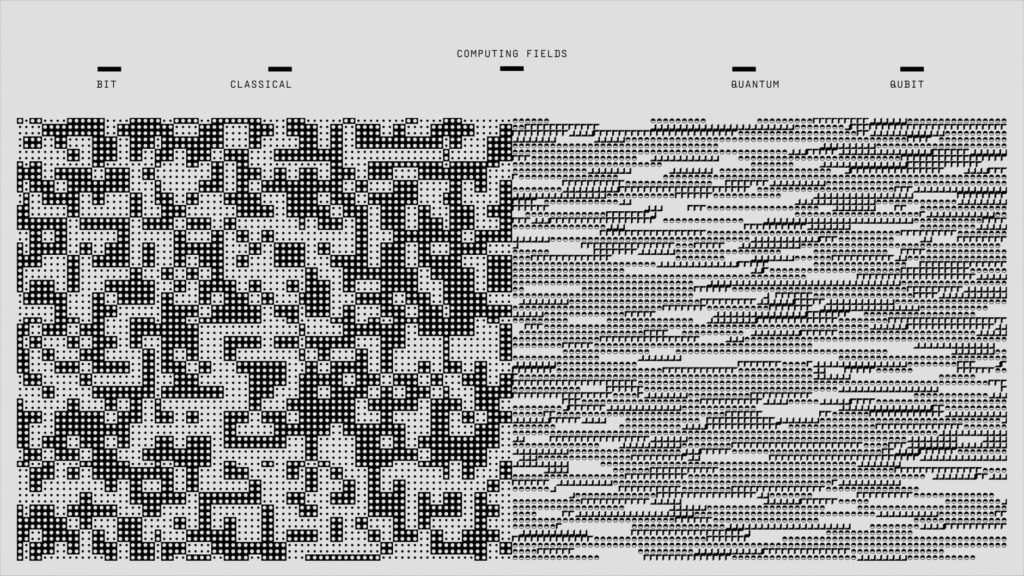
Skill Fluidity captures the move away from single‑track expertise toward a portfolio of capabilities that can be re‑engineered as market demands shift. In practice, this means a data analyst might acquire storytelling techniques, while a product manager learns basic code to converse fluently with engineers. The rise of “generalist professionals” is a response to the changing nature of work, where cross‑functional collaboration and rapid learning cycles are increasingly valued.
Consider Maya, a mid‑level marketing manager at a tech startup; when her firm adopted an AI‑driven content platform, she leveraged her existing copywriting skill set, added prompt‑engineering basics, and within three months led a hybrid campaign that outperformed the previous quarter by 12 %. Her trajectory illustrates how Skill Fluidity, when deliberately nurtured, translates into measurable impact without abandoning core expertise.
This pluralistic identity resonates with the way AI tools surface hidden patterns in work histories, prompting employers to look for “skill signatures” rather than job titles.
Identity Mosaic
The Identity Mosaic reframes professional self‑concept as a dynamic collage rather than a monolithic label. Traditional resumes list a single title; the Mosaic encourages multiple, overlapping descriptors—“strategist‑engineer,” “designer‑analyst,” “leader‑coach”—each anchored to a concrete project or outcome. This pluralistic identity resonates with the way AI tools surface hidden patterns in work histories, prompting employers to look for “skill signatures” rather than job titles.
Our analysis shows that professionals who articulate a Mosaic identity experience higher internal mobility rates, because managers can more readily envision them in varied roles. The Mosaic also buffers against the anxiety of “career fragmentation” by affirming that each piece contributes to a cohesive whole, rather than signalling loss of direction.
AI Integration Quotient

AI Integration Quotient (AIQ) measures how effectively a worker collaborates with intelligent systems, ranging from basic tool proficiency to co‑creation of algorithmic solutions. Research by the Boston Consulting Group underscores that AI will reshape more jobs than it replaces, a reality that makes AIQ a decisive competitive edge.
Take the example of Rahul, a finance analyst who embraced an AI‑powered forecasting model. By mastering the model’s parameters and feeding it domain‑specific insights, he reduced the month‑end close cycle from ten days to six, freeing his team to focus on strategic analysis. His AIQ rose sharply, and his organization earmarked him for a future leadership track that blends finance with data science.
Boundary Flexibility
Boundary Flexibility acknowledges that the demarcation between work and personal life has softened, especially as remote and hybrid arrangements become the norm. Professionals who can negotiate flexible schedules, define clear output expectations, and protect personal renewal time tend to sustain higher performance over longer horizons.
As workplaces become more networked and less hierarchical, the emotional climate often dictates project success more than technical skill alone.
A survey of firms recognized in the awards highlighted that teams with explicit boundary‑flex policies reported a reduction in burnout symptoms, while maintaining or improving delivery timelines. Employees who practice Boundary Flexibility therefore protect their long‑term career capital, turning what might appear as a concession into a strategic asset.
Emotional Agility
Emotional Agility reflects the ability to navigate the affective dimension of work—reading cues in virtual meetings, managing conflict across cultures, and sustaining motivation amid rapid change. As workplaces become more networked and less hierarchical, the emotional climate often dictates project success more than technical skill alone.
We have observed that teams led by individuals with high Emotional Agility scores adapt to shifting priorities with less lag time than their peers. This advantage is especially pronounced in environments where AI tools surface performance data in real time, creating feedback loops that can be emotionally taxing if not managed deftly.
“The future of work is less about a single expertise and more about the ability to recombine skills, identities, and tools in response to evolving demands.” – Boston Consulting Group
Our view is that the Professional Adaptability Matrix does more than catalogue trends; it offers a pragmatic roadmap for professionals who refuse to be left behind by the accelerating pace of change. By assessing each pillar, individuals can prioritize learning investments that align with both personal aspirations and organizational needs, rather than chasing every new technology indiscriminately.
By assessing each pillar, individuals can prioritize learning investments that align with both personal aspirations and organizational needs, rather than chasing every new technology indiscriminately.
Limits of the Professional Adaptability Matrix
The Matrix does not claim to predict macro‑economic shocks, nor does it replace deep specialist knowledge where it remains essential—such as in highly regulated sectors. It also cannot fully capture the nuances of cultural expectations that differ across regions; the components are calibrated to the global, tech‑forward context that dominates many mid‑career pathways today.
Next step: Conduct a self‑audit using the Professional Adaptability Matrix checklist, identify the two pillars where your score lags most, and commit to a concrete learning project—be it a short course, a cross‑functional assignment, or a mentorship—within the next 30 days.
Written by Career Ahead AI. AI can make mistakes, so verify key facts. Report errors to support@careeraheadonline.com.