No products in the cart.

Midlife Workers Turn Transferable Skills into New Careers

However, 60% of workers report difficulty pinpointing their own strengths, underscoring a gap between market demand and self‑awareness.

Midlife professionals are reshaping the labor market by converting decades‑long expertise into roles that promise purpose and flexibility. Data show that a sizable share of workers are poised to pivot, leveraging core competencies to bypass traditional career ladders.
The urgency stems from a confluence of structural forces: rising burnout, the entrenchment of remote‑work norms, and an economy that rewards skill fluidity over tenure. As organizations recalibrate talent pipelines, the ability to map existing capabilities onto emerging occupations becomes a decisive advantage for workers aged 35‑55. This analysis dissects the mechanisms, systemic reverberations, and stakeholder outcomes of that shift, and projects its trajectory over the next three to five years.
Structural backdrop of mid‑career mobility
Roughly half of employees are projected to change occupations by their mid‑forties, according to labor‑mobility trends tracked by the U.S. Bureau of Labor Statistics. Simultaneously, a Gallup poll indicates that three‑quarters of the workforce now prioritize flexibility and autonomy, eroding the notion of a single, linear career. Remote‑work adoption—now offered by a majority of firms in the Upwork 2023 report—creates geographic fluidity, allowing seasoned professionals to pursue roles outside their traditional locales. This systemic reorientation expands the talent pool for employers while opening pathways for workers to escape unfulfilling trajectories.
Core mechanism: translating core competencies

The decisive lever for midlife shifters is the articulation of transferable skills such as strategic communication, complex problem‑solving, and cross‑functional leadership. Industry surveys suggest that about 85% of employers view these competencies as essential for success in contemporary roles. However, 60% of workers report difficulty pinpointing their own strengths, underscoring a gap between market demand and self‑awareness. Online assessment platforms and AI‑driven career quizzes now bridge this divide; roughly four‑fifths of job seekers consult digital tools during their transition planning.
According to Career Ahead’s analysis of labor‑mobility data, the alignment of skill‑mapping technologies with employer demand creates a feedback loop that accelerates hiring cycles for experienced talent.Midlife professionals who clearly articulate transferable skills experience a measurable boost in interview callbacks.
Midlife professionals who clearly articulate transferable skills experience a measurable boost in interview callbacks.
Systemic implications for talent ecosystems
The surge in skill‑based mobility reshapes institutional power dynamics. Companies that embed competency‑first hiring frameworks gain a competitive edge, reducing reliance on traditional credentialing. This shift pressures higher‑education institutions to redesign curricula toward modular, stackable credentials that map directly onto industry‑identified competencies. Moreover, the gig economy’s expansion amplifies the role of portfolio‑based reputation systems, redistributing bargaining power toward individual workers who can demonstrate impact across projects. Consequently, labor market fluidity intensifies, prompting policymakers to reconsider unemployment insurance models that historically assumed linear employment paths.
Human capital impact: who benefits and who must adapt
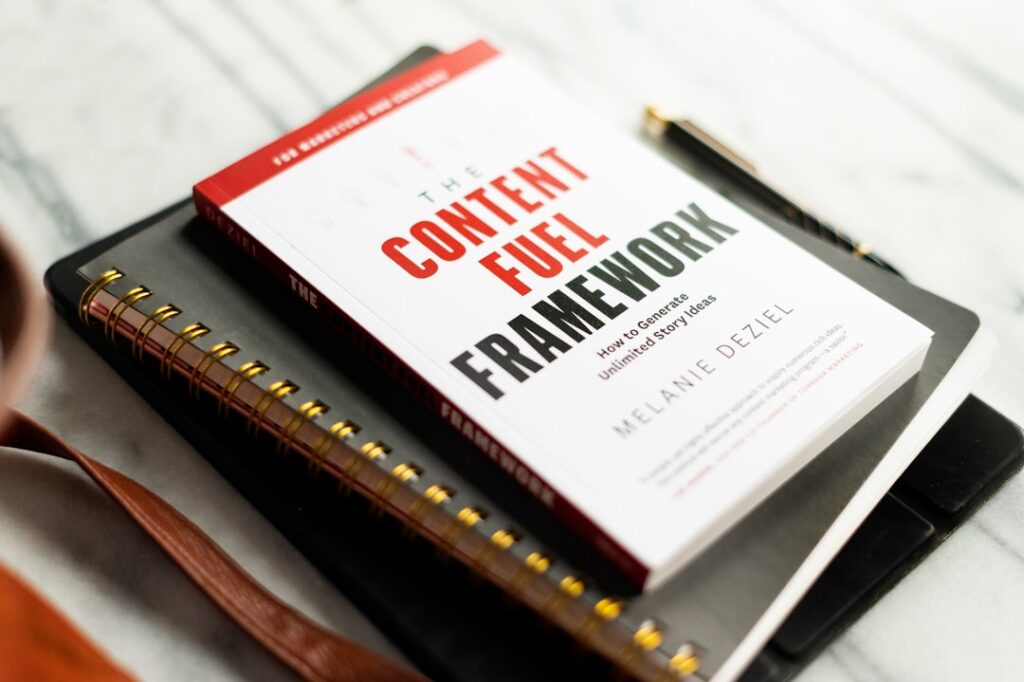
The primary beneficiaries are midlife professionals with robust soft‑skill arsenals, particularly those from sectors such as finance, manufacturing, and public administration where leadership and analytical abilities are deeply embedded. These workers can transition into consulting, remote program management, or purpose‑driven nonprofit leadership without extensive retraining. Conversely, organizations rooted in legacy credentialing must adapt hiring practices to avoid talent loss. HR departments that integrate skill‑audit tools and mentorship pipelines will retain high‑value employees, while firms that cling to rigid degree requirements risk a talent drain to more agile competitors.
Projected trajectory: 2027‑2032 outlook
Over the next three to five years, the convergence of AI‑enhanced skill‑mapping platforms and employer adoption of competency‑based hiring is expected to double the rate of midlife career transitions. Deloitte’s 2024 workforce outlook predicts that firms will allocate up to 20% of their recruiting budgets to platforms that assess transferable skills, reinforcing the market’s structural tilt toward skill fluidity. As a result, the traditional “career ladder” will further fragment into a lattice of role‑to‑role moves, with midlife workers occupying pivotal nodes that connect legacy expertise to emerging digital functions. Organizations that institutionalize continuous skill translation will capture the productivity gains associated with this re‑engineered talent flow.
In closing, the present structural shift toward skill‑centric mobility offers midlife professionals a viable route to purposeful work, while compelling institutions to rewire talent acquisition and development for a more fluid future.
In closing, the present structural shift toward skill‑centric mobility offers midlife professionals a viable route to purposeful work, while compelling institutions to rewire talent acquisition and development for a more fluid future.
Key Structural Insights
[Insight 1]: Midlife workers’ ability to map transferable skills onto new roles is accelerating hiring cycles, creating a feedback loop that benefits both talent and employers.
[Insight 2]: Competency‑first hiring is reshaping institutional power, pressuring education and policy systems to pivot from credential‑centric to skill‑centric models.
[Insight 3]: Over the next five years, AI‑driven skill‑assessment platforms will double midlife transition rates, cementing a lattice‑like career architecture.
Unlocking Hidden Strengths: By recognizing and highlighting transferable skills, midlife workers can transform their career narratives, showcasing their value to potential employers and paving the way for a more fulfilling professional journey.
Career Redesign Strategies: Effective career shifters adopt a growth mindset, leveraging online resources, mentorship, and networking to identify new career paths, build relevant skills, and create a tailored career roadmap for success.
Career Redesign Strategies: Effective career shifters adopt a growth mindset, leveraging online resources, mentorship, and networking to identify new career paths, build relevant skills, and create a tailored career roadmap for success.
Written by Career Ahead AI. AI can make mistakes, so verify key facts. Report errors to support@careeraheadonline.com.