

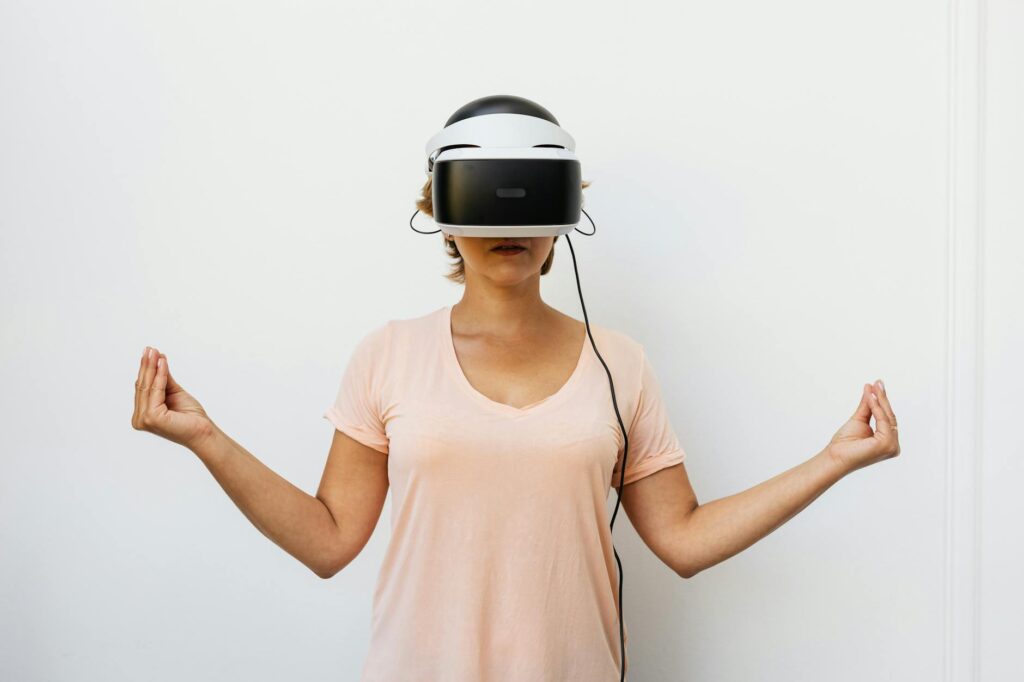
Immersive meditation hubs are emerging in the metaverse, offering a tech-driven antidote to the stress surge caused by our hyper-connected lives.
The Digital Age’s Mindfulness Crisis
Gaming streamer Maya Patel’s experience is a microcosm of a broader trend. A 2025 Deloitte survey found that 68% of Gen Z and Millennials feel “always-on” fatigue, and anxiety rates have climbed 15 points since 2020. The Forbes “5 Wellness Trends to Watch in 2026” report flags digital burnout as the top health risk for the next decade. If the metaverse expands without mindful design, it could amplify the same overload.
Virtual Meditation Spaces Emerge
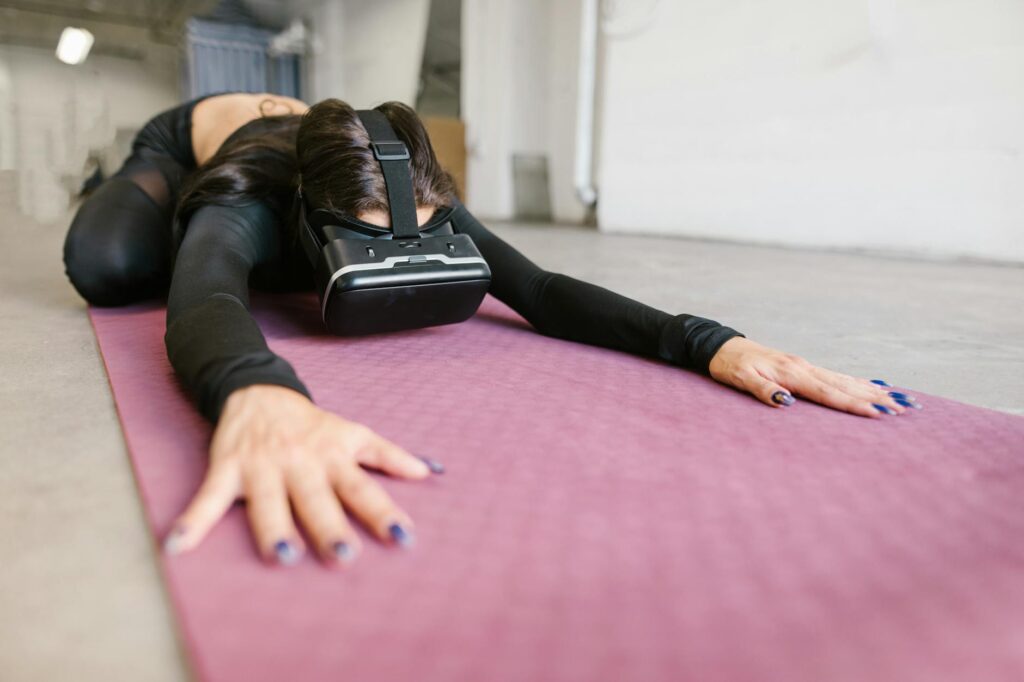
Enter virtual meditation spaces – digital rooms that blend VR, AR, and sound design to create peaceful environments. Trend Hunter notes a surge in meditation-focused NFTs, where creators sell tokenized “mindful moments” that unlock guided breathing sessions in VR environments. Companies like Decentraland have launched “Zen Gardens” parcels, while Meta’s Horizon Worlds introduced a “Quiet Corner” lounge that syncs users’ breath to ambient tones.
The Digital Age’s Mindfulness Crisis Gaming streamer Maya Patel’s experience is a microcosm of a broader trend.
The Stakes: Mental Health and Wellbeing
Chronic stress fuels insomnia, cardiovascular disease, and reduced productivity. If the metaverse becomes another source of distraction, it could deepen the mental-health crisis. However, well-crafted meditation hubs could lower cortisol levels, improve focus, and provide scalable therapy for underserved populations. A pilot study by the University of California, San Diego, found that a 10-minute VR meditation reduced participants’ self-reported stress by 30% compared to a screen-based audio guide.
Innovations in Virtual Meditation Spaces
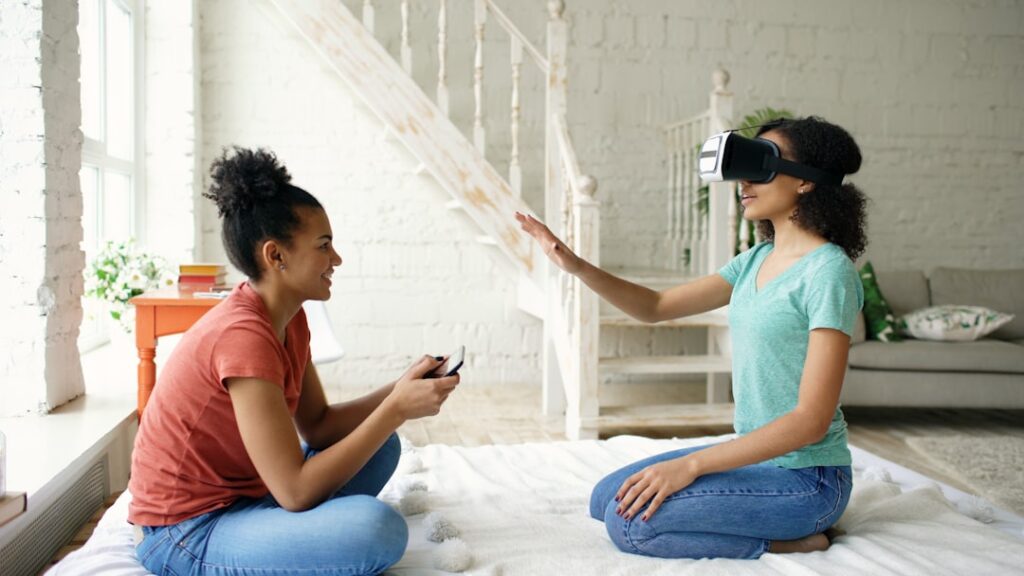
Entrepreneurs are answering the call. Calm, the sleep-app giant, launched “Calm VR” in early 2026, offering guided sessions inside a sunrise-lit mountain valley. The platform partners with hardware maker Pico to integrate haptic feedback that mimics a gentle breeze. Independent developer Luna Labs built “BreathSpace,” a cross-platform VR app that uses AI to adapt session length based on real-time heart-rate variability.
Outlook: The Future of Mindfulness in the Metaverse
Looking ahead, AI-driven meditation coaches are poised to become standard fixtures in virtual worlds. Imagine an avatar that senses your stress signals and suggests a micro-session, or a personalized mindfulness curriculum that evolves with your career milestones. As the metaverse’s user base swells, platforms will likely compete on the quality of their mental-health tools, making mindfulness a market differentiator.
 Industry & Global Trends
Agarwal Says India Can Attract Data Centre Investment
Agarwal cites data-centre construction costs around half the US and Europe level, renewable energy, a 1.5 billion population and coastline.
Read More →Career note: VR developers, sound designers, and certified mindfulness coaches are seeing a surge in demand. Building expertise in spatial audio, biometric integration, or NFT-based content can open lucrative freelance or full-time roles at firms racing to embed calm into their metaverse ecosystems.
Written by Career Ahead AI. AI can make mistakes, so verify key facts. Report errors to support@careeraheadonline.com.





