No products in the cart.

Mint Explainer: The Reality Behind Vibe Coding Hype
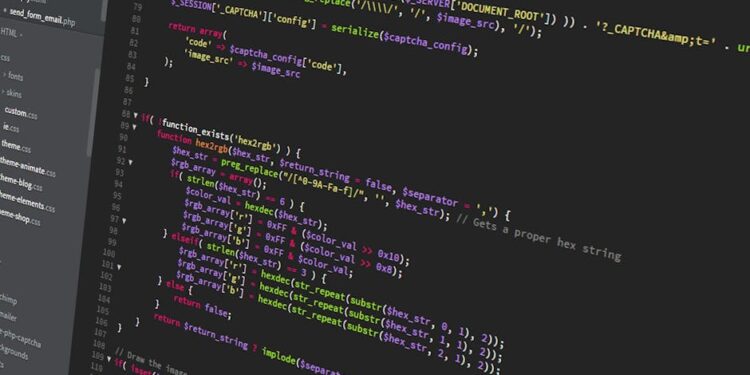
Vibe coding is reshaping how startups approach development. This article examines its potential and the skepticism surrounding it.

San Francisco, USA — Excitement is brewing in the tech world over vibe coding. This new approach to programming emphasizes creativity and intuition over traditional coding methods. Over the past six months, vibe coding has sparked a fundraising frenzy in both India and the United States. Investors are eager to back startups that adopt this innovative coding style. But is the enthusiasm justified? What does this mean for your career?
Vibe coding, often associated with the rise of artificial intelligence, allows developers to create applications with less emphasis on syntax and more focus on the desired outcome. Proponents argue that this method democratizes coding, making it accessible to those without formal training. However, critics warn that it could lead to a decline in coding standards and practices.
According to a recent report by Mint, the buzz around vibe coding has resulted in significant investments in tech startups. Companies are now prioritizing hiring developers who are skilled in this new methodology. For example, a startup in Silicon Valley recently raised $10 million to develop a platform based on vibe coding principles. This trend highlights the urgency for developers to adapt and learn new skills.
Why Vibe Coding Is Capturing Attention
Vibe coding is capturing attention because it aligns with the current shift towards more agile and flexible development processes. Traditional coding often requires extensive knowledge of programming languages and frameworks. In contrast, vibe coding allows developers to focus on creativity and problem-solving. This shift is particularly appealing to startups looking to innovate quickly and efficiently.
Moreover, the rise of AI tools has made vibe coding more feasible. These tools can assist developers in translating their ideas into functional code without needing to understand every technical detail. As a result, many startups are embracing vibe coding as a way to speed up their development cycles and reduce costs.
Why Vibe Coding Is Capturing Attention Vibe coding is capturing attention because it aligns with the current shift towards more agile and flexible development processes.
You may also like
 AI & Technology
Temple Evaluates Pilot Fitness for Air Force Use
Deepinder Goyal's Temple wearable aims to enhance pilot safety by monitoring brain blood flow in real-time, potentially transforming aviation health assessments.
Read More →In India, where the tech scene is rapidly evolving, vibe coding is seen as a potential game-changer. Startups are increasingly looking for ways to differentiate themselves in a competitive market. By adopting vibe coding, they can attract talent that might not have pursued traditional coding paths. This trend could lead to a more diverse workforce in tech, as individuals from various backgrounds feel empowered to contribute.
However, the hype surrounding vibe coding is not without its skeptics. Some industry experts argue that while the concept is intriguing, it may not be sustainable in the long run. They caution that a lack of foundational coding skills could lead to issues in software quality and maintainability.
How Vibe Coding Affects Your Career Opportunities
The rise of vibe coding has significant implications for your career in tech. For entry-level developers, this trend could open doors to new job opportunities. Startups are increasingly looking for individuals who can think creatively and adapt quickly. If you can demonstrate your ability to work within vibe coding frameworks, you may stand out in a crowded job market.
Mid-career professionals might also benefit from this shift. As companies adopt vibe coding, there may be a growing demand for training programs and workshops. Upskilling in vibe coding principles could enhance your professional profile and make you more attractive to potential employers.
Mid-career professionals might also benefit from this shift.
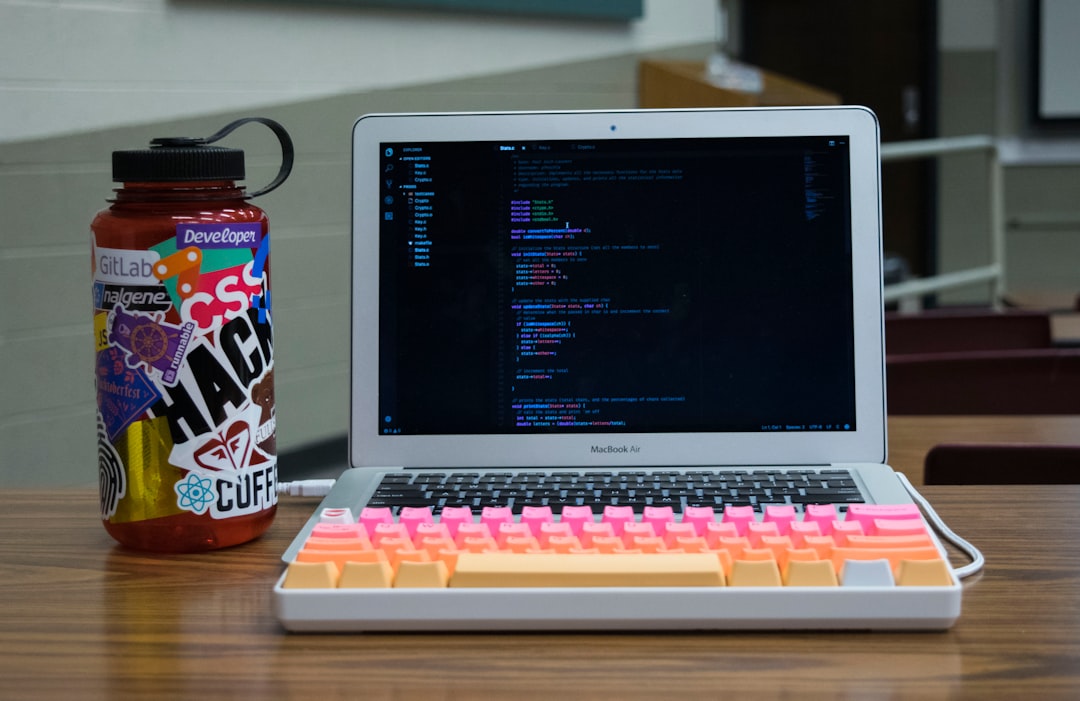
For those considering a career switch into tech, vibe coding presents an accessible entry point. With fewer barriers to entry, individuals from non-technical backgrounds can leverage their unique perspectives and creativity. This could lead to a more diverse and inclusive tech community.
You may also like
 AI & Technology
AI Interviewing Transforms Future Hiring Landscape
HackerRank's AI interviewer, Chakra, is transforming recruitment by streamlining the hiring process and emphasizing critical thinking and problem-solving skills in candidates.
Read More →However, it’s essential to approach this trend with a balanced perspective. While vibe coding offers exciting opportunities, it’s crucial to maintain a strong foundation in traditional coding practices. This dual approach will ensure you can adapt to various development environments and challenges.
Steps to Position Yourself for Vibe Coding Roles
- Learn the Basics: Familiarize yourself with traditional coding languages and concepts. This foundational knowledge will support your understanding of vibe coding.
- Engage with Online Communities: Join forums and groups focused on vibe coding. Networking with like-minded individuals can provide valuable insights and resources.
- Take Courses: Enroll in courses that focus on vibe coding methodologies. Many platforms offer workshops and training sessions tailored to this new approach.
- Build a Portfolio: Create projects that showcase your ability to apply vibe coding principles. This practical experience will enhance your resume and attract potential employers.
However, some experts caution against fully embracing vibe coding without understanding its implications. They argue that the emphasis on intuition over technical skills could lead to a decline in software quality. A well-rounded skill set remains vital for developers to navigate complex coding challenges.
The Future of Vibe Coding in Tech Startups
The future of vibe coding in tech startups looks promising, but it will require careful navigation. As more companies adopt this approach, the demand for skilled developers will likely increase. However, this trend may also lead to a shift in how coding education is approached. Traditional coding boot camps may need to adapt their curricula to include vibe coding principles.
Moreover, as the tech landscape continues to evolve, it’s essential for developers to stay ahead of the curve. Embracing vibe coding could become a critical skill in the coming years. As startups seek innovative ways to stand out, those who can blend creativity with technical expertise will be in high demand.
Embracing vibe coding could become a critical skill in the coming years.
Are you ready to embrace the shift towards vibe coding and position yourself for success in this evolving tech landscape?
You may also like
 AI & Technology
Higher education reallocates capital to digital platforms
The analysis that follows dissects the mechanisms, systemic implications, and stakeholder outcomes.
Read More →