More than 138,000 students in New York City public schools were homeless at some point during the last school year. The figure fell 10 percent from the previous year, when it reached a record 154,000. About one in eight city schoolchildren lacked stable housing, according to an analysis by Advocates for Children of New York.
Shelter exits explain much of the decline
A reduction in the number of students living in shelters drove much of the decline. Thousands of families moved out of shelters and into subsidized housing in recent years, reducing the number of children counted among students without stable housing. The figures describe students who experienced homelessness at some point during the school year, rather than only those living in shelters on a particular day. The shift in shelter residence therefore accounts for much of the change, even as housing instability continued across the school system.¹
Advocates also said the Trump administration’s mass deportation campaign contributed to the drop. They said many migrant families left city shelters and kept their children out of school to evade authorities. That account points to a different reason for fewer students appearing in the count: families may have left shelters and school rather than moved into stable housing. The data therefore reflects both shelter exits tied to subsidized housing and families’ efforts to avoid authorities.¹
Shelter exits explain much of the decline A reduction in the number of students living in shelters drove much of the decline.
Housing instability persists across the city and country
New York City has had at least one hundred thousand students without permanent housing for eleven consecutive years. The homeless student population has more than doubled over the past fifteen years, despite the recent decline. About 86 percent of students without housing identified as Black or Latino. Taken together, the figures show that the reduction from the previous school year came against a longer pattern of widespread and sustained housing instability among public school students.¹
 Future Skills & Work
Hybrid Work’s Hidden Cost: Gen Z’s Cognitive Collapse
A 2026 Locus study of central bank tech workers found that digital upskilling increases cognitive load by 42% when AI integration is fragmented.
Read More →The national count also rose: more than one and a half million students were identified as homeless in the United States during the 2023-24 school year, up from one point three million the year before. Those national figures offer a broader measure of student homelessness, while the New York City numbers track the local school population. The counts show that homelessness among students remained a large issue beyond the city even as its own reported total fell.¹
Housing disruptions reach school attendance and learning
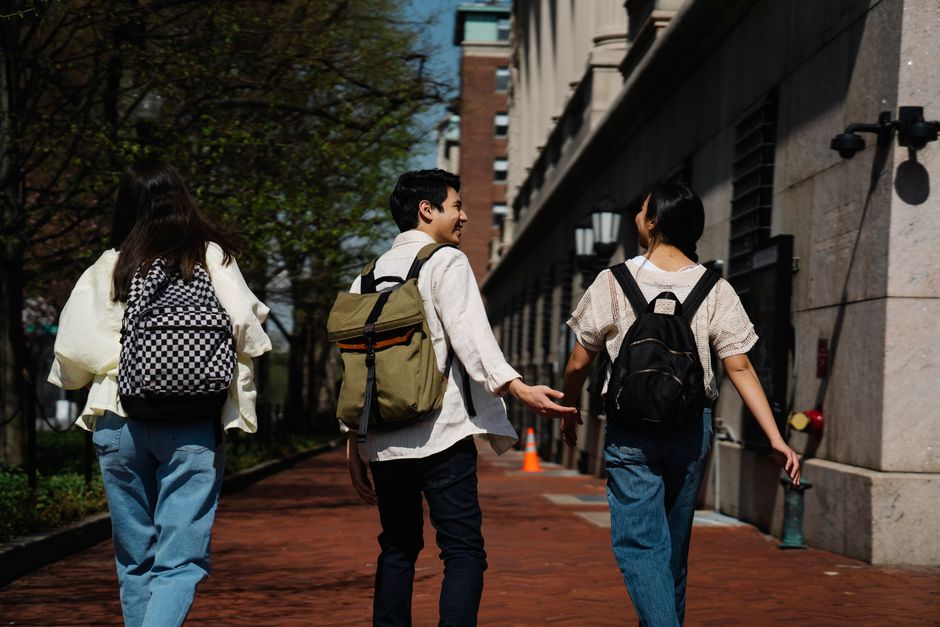
School outcomes show how housing instability can accompany academic setbacks. About three-quarters of New York City students in third through eighth grade who lived in shelters scored below grade level on their most recent state exams. Nearly fourteen percent of students in shelters drop out, three times the rate among peers with stable housing. These figures describe distinct effects: low test performance among shelter residents and a higher dropout rate compared with students who have stable housing.¹
Transportation problems also interrupted school attendance. At the end of the last school year, nearly one thousand eight hundred students in shelters had not received a bus route. A woman who moved from Florida to a shelter in the Bronx in 2021 said her son missed most of his first month of kindergarten while waiting for transportation. The missed time began at the start of school, when students are settling into a new grade and routine.¹
Without that transportation, she traveled with her son on four separate city buses to reach a school more than three miles away. Her daughter was promoted into second grade despite not knowing how to read or do basic addition. The family’s experience illustrates the practical consequences behind the broader school measures: long journeys can cost students classroom time, while gaps in basic skills may persist as they move through grades.¹
Plan for Housing Instability in Hiring
 Future Skills & Work
Degrees Are Losing Their Psychological Edge
A 2026 Springer study on micro-credentials in Uganda found that 62% of learners applied new skills.
Read More →When you evaluate a role, ask whether the employer offers housing support or relocation help, because housing instability is widespread and persistent. In New York City, at least one hundred thousand students have lacked permanent housing for eleven consecutive years, and the population has more than doubled in fifteen years. That means many candidates and colleagues face unstable living situations, which can affect attendance and performance. If you are in a field like education or social services, expect to work with students who experience these disruptions, and build skills in trauma-informed support or flexible instruction.¹
The family’s experience illustrates the practical consequences behind the broader school measures: long journeys can cost students classroom time, while gaps in basic skills may persist as they move through grades.¹
For pay negotiations, factor in the cost of stable housing, since shelter exits do not always mean families found permanent homes. Thousands of families moved into subsidized housing, but many others left shelters and kept children out of school to evade authorities. That distinction matters: a drop in reported homelessness may not reflect improved stability. If you are hiring or managing, recognize that transportation gaps, like nearly eighteen hundred students without bus routes, can cause missed work or school. Offer flexibility for commuting challenges and consider how housing status affects your team's reliability.¹
Sources
Written by Career Ahead AI. AI can make mistakes, so verify key facts. Report errors to support@careeraheadonline.com