

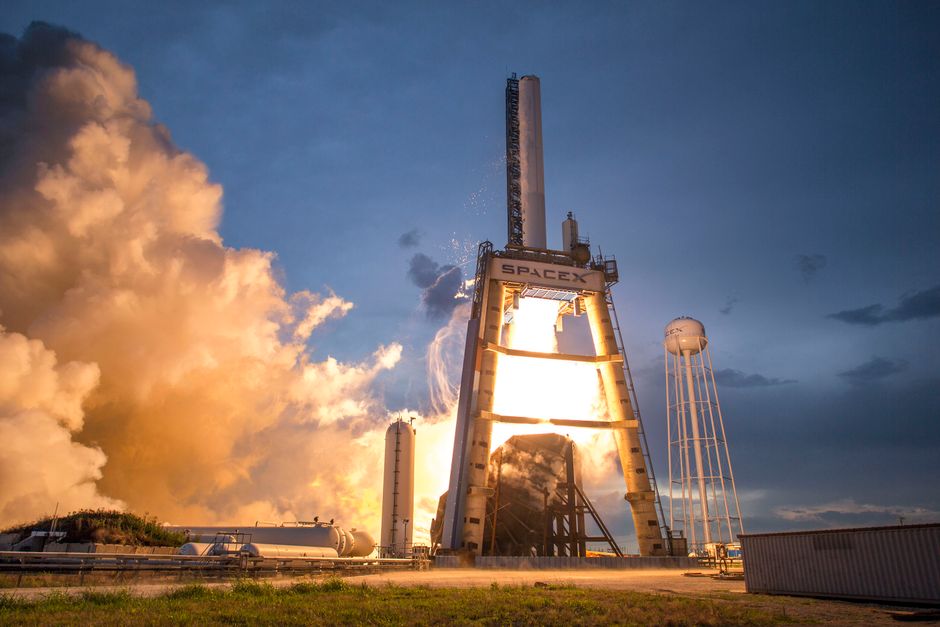
Elon Musk has announced that his AI company, SpaceXAI, will be rebranded as SpaceXSI. This change highlights a new focus on superintelligence. The decision follows U.S. President Donald Trump’s push to replace “artificial intelligence” with “superintelligence” in government communications. Musk confirmed the rebranding in a post on X, stating that SpaceX is now a “super intelligence company.” This change may impact AI researchers and software engineers in aerospace.
This shift shows a growing trend in tech towards integrating superintelligence into various applications, especially in aerospace. The new terminology marks a significant change from traditional AI frameworks. It suggests a more ambitious approach to AI development. Musk’s role in this initiative highlights the link between government policy and private sector innovation, particularly in space exploration and technology.
Shifting Focus: The Rise of Superintelligence in Aerospace AI
The rebranding of SpaceXAI to SpaceXSI is more than a name change; it signals a strategic move towards superintelligence. This term, pushed by the Trump administration, aims to change how AI is viewed and used in government and business. According to Career Ahead’s analysis, this shift could lead to more funding for AI projects that align with superintelligence goals.
As the U.S. government emphasizes superintelligence, federal funding may prioritize projects that show potential in this area. This could help AI researchers and software engineers secure grants and contracts that were previously unavailable. Additionally, the creation of the Super Intelligence Force (SIF) to oversee AI initiatives highlights the government’s commitment to advancing superintelligence technologies. As noted by Brainz Magazine, this effort is part of a broader strategy to keep the U.S. at the forefront of AI innovation, especially in competitive fields like aerospace.
The focus on superintelligence may also lead to more collaborative projects between aerospace and AI sectors. Companies like SpaceX, already leaders in innovation, could partner with universities and research organizations to develop new technologies. This collaboration could create an environment where knowledge sharing and resource pooling become common, speeding up advancements in both fields. The potential for partnerships is vast, as universities and research labs seek to align their projects with the new superintelligence framework.
Career Ahead research shows that as more companies embrace a superintelligence framework, AI research will change.
Career Ahead research shows that as more companies embrace a superintelligence framework, AI research will change. Researchers may need to adapt their methods to meet new standards set by government and industry leaders. This evolution will require a focus on more complex AI models that support superintelligence initiatives. A recent report by International Business Times highlights that this shift could redefine the competitive landscape for AI researchers. They will need to develop systems that perform tasks and exhibit cognitive abilities similar to human intelligence.
Moreover, this shift will impact software engineers working in AI. They will need to upgrade their skills to keep up with the changing landscape. This might mean learning new programming languages or frameworks better suited for superintelligent systems. The demand for specialized knowledge will likely grow, creating new career paths for those willing to adapt. Engineers who can navigate the complexities of superintelligent systems will be in high demand, potentially reshaping the job market in tech.
Implications for AI Researchers and Software Engineers
The transition to SpaceXSI and the focus on superintelligence will significantly affect AI researchers and software engineers in aerospace. Career Ahead analysis finds that as funding becomes more accessible for superintelligence projects, researchers must position themselves to take advantage of these opportunities. They may need to adopt interdisciplinary approaches that combine aerospace engineering with advanced AI methods.
Software engineers must be proactive in their professional development. As the industry evolves, those specializing in traditional AI may find themselves at a disadvantage. Instead, engineers who embrace superintelligence principles and develop expertise will likely be in higher demand. This shift could create a competitive job market where adaptability and innovation are crucial. The emphasis on superintelligence may also change the ethical considerations surrounding AI development. Researchers and engineers will need to address safety, accountability, and the societal impact of advanced AI technologies.
In light of these changes, the aerospace sector should foster a culture of collaboration and knowledge sharing. By encouraging innovative thinking and interdisciplinary research, companies can better position themselves to lead in the superintelligence space. This collaborative approach will be vital for driving advancements and ensuring that the benefits of superintelligent systems are realized responsibly. As noted by Forbes, integrating superintelligence into aerospace technology could lead to breakthroughs that enhance operational efficiency and redefine human capability in space exploration.
Software engineers must be proactive in their professional development.
As AI continues to evolve, the focus on superintelligence will shape the future of research and development in aerospace technology. Integrating superintelligence concepts into AI frameworks will likely redefine what is possible, leading to breakthroughs that were once unimaginable.
With the rebranding of SpaceXAI to SpaceXSI, the aerospace industry is on the brink of a transformative era. The implications of this shift will resonate throughout the sector, influencing research priorities, funding opportunities, and the skills needed for future professionals. As the industry adapts to these changes, the potential for innovation and advancement in AI technologies will be unprecedented.
Frequently Asked Questions
What are the implications of SpaceX’s focus on superintelligence for AI researchers?
The shift towards superintelligence will likely lead to more funding for AI research projects. Researchers will need to adapt their methods to align with new standards, focusing on ambitious AI models that support superintelligence initiatives.
Software engineers will need to enhance their skills to keep up with the evolving landscape.
How can software engineers in AI adapt to the changes brought by SpaceXSI?
Software engineers will need to enhance their skills to keep up with the evolving landscape. They may need to learn new programming languages or frameworks suited for superintelligent systems, as demand for specialized knowledge will likely increase.

What should AI researchers in space technology do about the rise of superintelligence in their field?
AI researchers should position themselves strategically to take advantage of funding opportunities related to superintelligence. They may need to focus on interdisciplinary approaches that combine aerospace engineering with advanced AI methods to stay competitive in the changing landscape.
Written by Career Ahead AI. AI can make mistakes, so verify key facts. Report errors to support@careeraheadonline.com.





