No products in the cart.

Musk’s Boring Co. Working on Tunnel to Link Austin, San Antonio
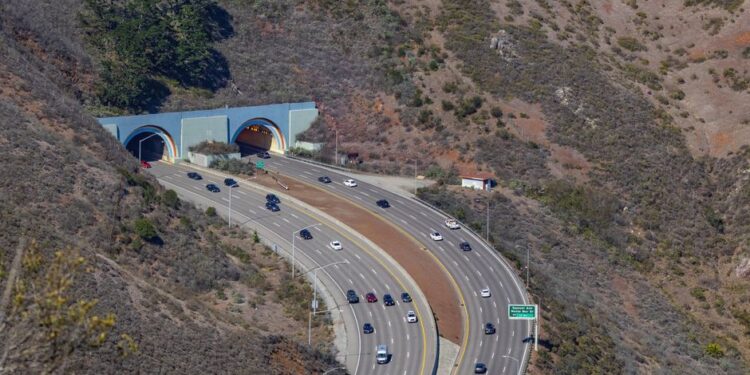
Musk’s Boring Company is set to begin construction on a tunnel linking Austin and San Antonio, a project that promises to reshape urban mobility and infrastructure planning in Texas.

Austin, Texas — Musk’s Boring Company is set to begin construction on a tunnel linking Austin and San Antonio. This project aims to enhance transportation efficiency between the two major Texas cities. With a projected completion date in the next few years, it promises to reshape urban mobility and infrastructure planning across the region.
The initiative comes at a time when both cities are experiencing significant growth, making effective transportation solutions critical. The tunnel is expected to alleviate surface congestion, providing a faster and more reliable transit option for commuters and travelers alike. It also reflects a broader trend toward innovative infrastructure solutions that prioritize underground development.
Rising Demand for Tunneling Expertise
The development of the Austin-San Antonio tunnel is likely to create a surge in demand for tunneling expertise in Texas. As civil engineers and urban planners gear up for this project, they will need specialized skills to address the unique challenges of underground construction. Career Ahead analysis finds that professionals with experience in tunneling and subsurface engineering will be in high demand as the project progresses.
According to data from the U.S. Bureau of Labor Statistics, the employment of civil engineers is projected to grow 6% from 2020 to 2030, which aligns with the increasing complexity and scale of infrastructure projects like this tunnel. Engineers specializing in tunneling will need to navigate geological challenges, groundwater management, and safety protocols specific to underground work, making training and certification essential. As noted by Bloomberg, the Boring Company’s innovative approach to tunneling could set new standards for efficiency and safety in the industry.
Additionally, urban planners will need to rethink zoning laws and land use policies to accommodate the new infrastructure. The tunnel will likely influence how land is developed around its entrances and exits, necessitating a collaborative approach between engineers and planners to ensure that the project integrates seamlessly into the existing urban fabric. This integration is crucial, as the success of the tunnel will depend not only on its construction but also on how well it connects with existing transport networks.
The potential for partnerships between educational institutions and the Boring Company could foster a new generation of skilled workers ready to tackle future infrastructure challenges.
Moreover, as the project unfolds, there will be opportunities for local businesses and contractors to get involved. This could lead to a boost in job creation within the region, especially for those skilled in construction and engineering. As a result, educational institutions may also need to adapt their curricula to prepare students for the emerging job market focused on tunneling and urban infrastructure. The potential for partnerships between educational institutions and the Boring Company could foster a new generation of skilled workers ready to tackle future infrastructure challenges.
Shifts in Urban Development Strategies
The Austin-San Antonio tunnel project is expected to shift urban development strategies significantly. Improved connectivity between these two cities will likely encourage new residential and commercial developments along the route. Career Ahead research indicates that enhanced transportation infrastructure often leads to increased property values and economic activity in surrounding areas. According to TechCrunch, the Boring Company’s vision for a Hyperloop-like system could further revolutionize travel between these urban centers, making them more accessible than ever.
As the tunnel facilitates easier access between Austin and San Antonio, urban planners will need to assess how this might affect traffic patterns, public transport systems, and local economies. The potential for new business opportunities and residential developments could reshape the economic landscape, making it crucial for planners to engage with community stakeholders to guide development in a way that benefits all residents. The integration of public feedback into the planning process will be essential to ensure that the project meets the needs of the communities it serves.
Furthermore, the project may inspire similar initiatives in other regions facing congestion issues. As cities look for sustainable solutions to urban mobility, the success of the Austin-San Antonio tunnel could serve as a model for future infrastructure projects across Texas and beyond. However, this shift will not come without challenges. Urban planners must consider the environmental impact of new developments and how they align with sustainability goals. Balancing growth with ecological preservation will be a key concern as the project progresses.

In addition, funding for such projects often requires innovative financing solutions. Public-private partnerships may become essential in securing the necessary capital to support the tunnel’s construction and associated urban development initiatives. As highlighted by Bloomberg, the financial backing for such ambitious projects will require collaboration between government entities and private investors to ensure long-term viability.
As cities prioritize underground solutions to alleviate surface congestion, urban planners will need to rethink their strategies for future developments.
The construction of the Austin-San Antonio tunnel will have far-reaching implications for local infrastructure planning. As cities prioritize underground solutions to alleviate surface congestion, urban planners will need to rethink their strategies for future developments. Career Ahead analysis identifies a growing trend where underground infrastructure is becoming increasingly favored as cities grapple with limited space and rising populations.
Local governments may need to revise their infrastructure plans to accommodate new tunneling projects. This could involve updating safety regulations, environmental assessments, and land use policies to reflect the realities of underground construction. Additionally, there may be a need for enhanced collaboration between various government agencies and private sector partners to ensure that projects are executed efficiently and effectively.
Moreover, as the demand for tunneling expertise grows, educational institutions may need to respond by offering specialized training programs. This will help equip the next generation of engineers and planners with the skills necessary to tackle the complexities of underground infrastructure.
As the project progresses, stakeholders will be watching closely to see how it unfolds. The success of the Austin-San Antonio tunnel could pave the way for similar initiatives across Texas and other states, shaping the future of urban transportation and infrastructure development. What remains to be seen is how quickly the project can be completed and what unforeseen challenges may arise during construction. As cities continue to evolve, the need for innovative solutions like this tunnel will be more pressing than ever.
Frequently Asked Questions
What are the engineering challenges of tunnel construction in Texas?
Tunnel construction in Texas presents unique challenges, including geological variability, groundwater management, and ensuring safety during excavation. Engineers must also consider the impact of weather conditions on construction timelines.
Urban planners will need to adapt strategies to accommodate this growth.
How will this tunnel impact urban development in Austin and San Antonio?
The tunnel is expected to encourage new residential and commercial developments along its route, potentially increasing property values and economic activity. Urban planners will need to adapt strategies to accommodate this growth.

What should civil engineers consider when planning for new transportation tunnels?
Civil engineers should assess geological conditions, safety protocols, and environmental impacts when planning new transportation tunnels. Collaboration with urban planners is also essential to ensure seamless integration with existing infrastructure.
Related Articles
- Antares raises $470M to build nuclear reactors for the US military
Written by Career Ahead AI. AI can make mistakes, so verify key facts. Report errors to support@careeraheadonline.com.