Elon Musk’s Testimony
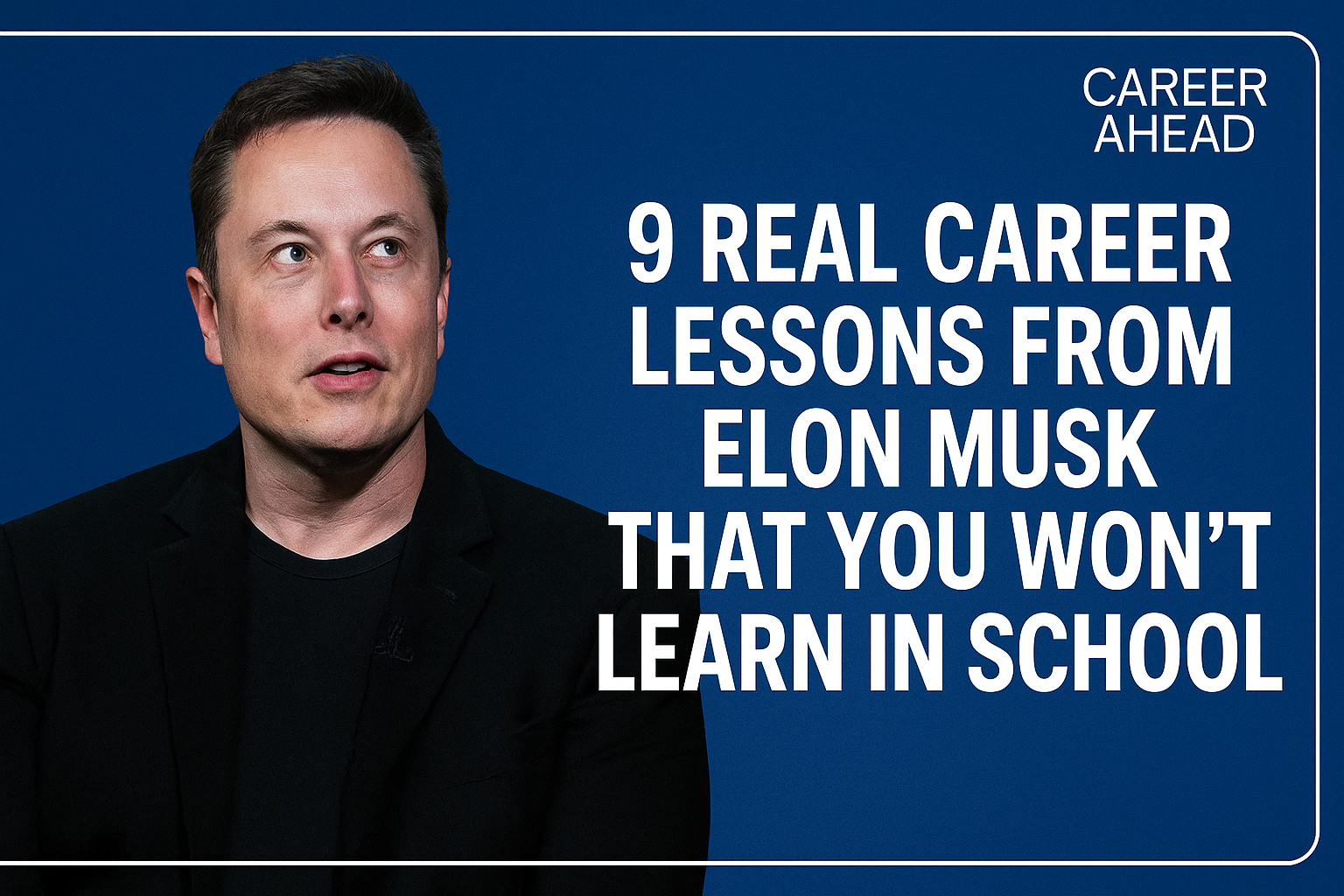
In a dramatic courtroom scene, Elon Musk accused OpenAI of deceiving him during the initial funding phases of the company. He claimed that he was misled about the organization’s shift from a nonprofit to a for-profit model, arguing that this change has compromised the mission of developing artificial intelligence for the benefit of humanity. Musk expressed regret over his financial support, stating, “I was a fool who provided them free funding to create a startup.” His remarks were made during the ongoing trial against OpenAI’s CEO Sam Altman and President Greg Brockman, where Musk seeks to restore OpenAI’s original nonprofit structure. This case has drawn significant media attention, with implications that could reshape the future of AI governance.
As the trial unfolds, Musk’s claims have sparked a fierce debate about the responsibilities of AI companies. He warned that unchecked AI development could lead to catastrophic consequences, stating, “The worst-case scenario is a Terminator situation where AI kills us all.” His dramatic assertions are being scrutinized not just for their content, but also for their potential impact on public perception of AI technologies.
From Nonprofit to For-Profit
The crux of Musk’s argument lies in the transformation of OpenAI from a nonprofit to a for-profit entity. Musk contends that this change has led to a focus on profit over safety, contradicting the organization’s founding principles. Musk provided OpenAI with $38 million, believing he was contributing to a noble cause. However, the subsequent valuation of OpenAI at nearly $800 billion raises questions about the true motivations behind its operations.
This shift has not only financial implications but also ethical ones. Critics argue that prioritizing profit can lead to compromises in safety protocols and transparency. Musk’s legal team is framing his lawsuit as an effort to realign OpenAI with its original mission of fostering safe AI development. The outcome of this trial could set a precedent for how AI companies operate in the future.
Musk’s legal team is framing his lawsuit as an effort to realign OpenAI with its original mission of fostering safe AI development.
Contradictions in Musk’s Position
While Musk positions himself as a champion of AI safety, contradictions emerge in his narrative. OpenAI’s lawyers pointed out that Musk had previously sought to create a for-profit subsidiary of OpenAI to secure funding for ambitious AI projects, raising questions about his commitment to a nonprofit model. Musk’s own company, xAI, utilizes OpenAI’s models, complicating his claims of ethical superiority.
Moreover, Musk’s actions in the tech space have often blurred the lines between competition and collaboration. His recruitment of OpenAI employees to Tesla and Neuralink indicates a strategic approach to securing talent from his former company. This behavior prompts skepticism about his motives in the lawsuit. Is Musk genuinely concerned about AI safety, or is he attempting to undermine a competitor?
 Entrepreneurship & Business
Razorpay Partners with OpenAI to Bring ChatGPT Ads to Indian Brands
Razorpay's partnership with OpenAI to introduce ChatGPT Ads marks a significant shift in how Indian brands approach digital marketing. This move opens new avenues for…
Read More →Impact on AI Governance
The ongoing trial has significant implications for the future of AI governance. As Musk raises alarms about the dangers of AI, the conversation shifts towards the need for regulatory frameworks that prioritize safety and ethical considerations. The trial could catalyze discussions on how to manage AI development responsibly. The outcome may influence how other tech companies approach their AI initiatives.
Furthermore, the trial highlights the importance of transparency in AI operations. Stakeholders, including investors and the public, are increasingly demanding clarity regarding how AI technologies are developed and deployed. This demand for transparency aligns with Musk’s call for a return to nonprofit principles, emphasizing the need for accountability in the tech industry.
Future Considerations for AI Development
The outcome of the Musk v. Altman trial will likely have lasting effects on the AI landscape. If Musk succeeds in his lawsuit, it could prompt a reevaluation of how AI companies operate, potentially leading to a resurgence of nonprofit models. This shift could encourage a focus on societal benefit rather than profit maximization, aligning with Musk’s original vision for OpenAI.
Future Considerations for AI Development The outcome of the Musk v.
Conversely, if Musk’s claims are dismissed, it may embolden for-profit AI companies to prioritize financial gains over ethical considerations, exacerbating public fears surrounding AI safety and regulation. As AI technologies become more integrated into daily life, the stakes are high for ensuring responsible development.

Understanding AI Ethics in the Tech Industry
For young professionals entering the tech industry, understanding the dynamics of AI governance is crucial. The Musk v. Altman trial illustrates the importance of ethical considerations in technology development. As AI continues to shape various sectors, professionals must be equipped to navigate the complexities of this evolving landscape.
 Entrepreneurship & Business
How to Test a Business Idea Before Building It
On day two, show your offer to 10 or 20 potential customers and ask for a response.
Read More →Moreover, the trial highlights the need for transparency and accountability in AI initiatives. Aspiring tech leaders should prioritize ethical practices and advocate for responsible innovation. As the industry evolves, those who can balance technical expertise with ethical considerations will be well-positioned for success.
Written by Career Ahead AI. AI can make mistakes, so verify key facts. Report errors to support@careeraheadonline.com.