


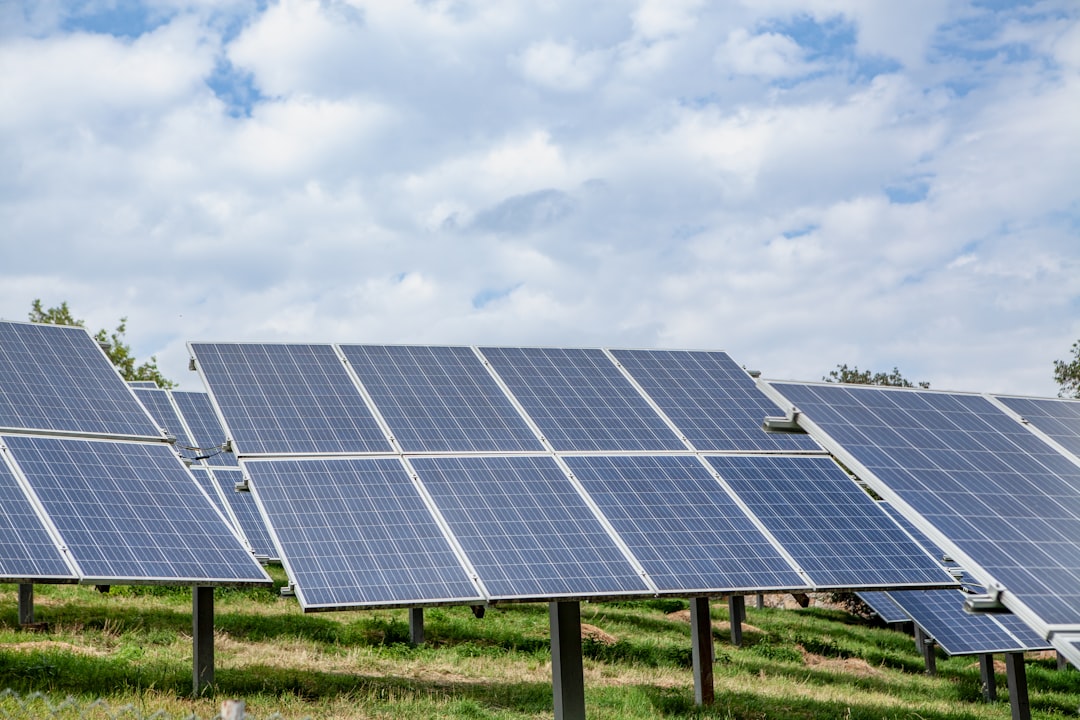
Elon Musk has unveiled a bold plan to establish data centers in space, powered entirely by solar energy. This ambitious initiative, announced recently, aims to revolutionize data storage and processing by leveraging the vastness of space. While the vision is grand, experts are expressing skepticism regarding the feasibility and practicality of such a project.
Musk’s proposal comes amidst a growing demand for data storage solutions. As the digital landscape expands, traditional data centers are facing challenges related to energy consumption and space limitations. By moving data centers into space, Musk believes that these facilities could operate more efficiently, utilizing solar power as a sustainable energy source. However, this idea raises several questions about costs, technology, and regulatory hurdles.
Currently, data centers consume about 2% of the world’s electricity, and this figure is expected to rise as more businesses and individuals rely on cloud computing and data services. Musk’s concept of solar-powered data centers in space could potentially reduce the carbon footprint associated with energy-intensive data processing. Yet, experts caution that the logistics of constructing and maintaining such facilities in orbit could outweigh the benefits.
The Challenges of Building Space Data Centers
Experts have pointed out several significant challenges that Musk’s proposal faces. First, the cost of launching materials and technology into space is astronomical. According to a report from the Space Data Association, launching a single satellite can cost upwards of $10,000 per kilogram. Constructing a data center in space would require a massive investment, raising questions about the return on investment.
Moreover, the technology needed to establish and operate data centers in space is still in its infancy.
Moreover, the technology needed to establish and operate data centers in space is still in its infancy. While solar panels are a proven technology, the harsh conditions of outer space present unique challenges. For instance, solar panels must be durable enough to withstand radiation and temperature extremes. Additionally, data transmission from space back to Earth could introduce latency issues that impact performance.
 Government & Policy
Musk Warns Neoclouds Face Consolidation; French Protests Escalate
French school protests over conditions brought clashes with police, more than four hundred arrests and ten wounded students and staff.
Read More →Furthermore, regulatory and safety concerns must be addressed. The Outer Space Treaty of 1967 governs the activities of countries in space and mandates that space activities must benefit all of humanity. This raises questions about who would control these data centers and how they would be regulated.
Despite these challenges, Musk’s vision aligns with a broader trend towards sustainability in technology. The push for greener alternatives is becoming increasingly important as environmental concerns grow. Companies are exploring innovative solutions to reduce their carbon footprints, and Musk’s idea could inspire further research into sustainable data management.
Potential Career Implications in Tech and Engineering
As Musk’s proposal gains attention, it may have significant implications for careers in technology and engineering. Professionals in fields related to aerospace, renewable energy, and data management could find new opportunities as companies explore the feasibility of space-based data solutions.
For entry-level positions, recent graduates may need to focus on skills in aerospace engineering, computer science, and renewable energy technologies. Mid-career professionals might consider upskilling in areas such as satellite technology and data analytics to remain competitive in a rapidly evolving job market. For those looking to switch careers, this emerging field could provide a unique pathway into high-demand roles.
Additionally, the potential for increased investment in space technology could lead to job creation in related sectors. As companies like Musk’s xAI explore innovative projects, the demand for skilled workers who can navigate the complexities of space technology may rise. This could be an exciting time for professionals looking to enter the tech industry.
 Government & Policy
GST Council Limits Arrest Powers, Raises Prosecution Threshold
The move to eliminate arrest powers is a major shift in the approach to GST enforcement. Previously, GST officers had the authority to arrest individuals…
Read More →Mid-career professionals might consider upskilling in areas such as satellite technology and data analytics to remain competitive in a rapidly evolving job market.
Steps to Prepare for Emerging Opportunities
- Focus on relevant education: Pursue degrees or certifications in aerospace engineering, data science, or renewable energy.
- Gain practical experience: Seek internships or projects related to space technology or renewable energy solutions.
- Network with industry professionals: Join industry associations or attend conferences to connect with leaders in the field.
- Stay informed: Follow developments in space technology and renewable energy to understand market trends.
However, experts warn that the technical and economic challenges of Musk’s proposal may not be easily overcome. A recent analysis from the International Data Corporation highlights that while innovation is crucial, the cost and complexity of launching and maintaining space-based data centers could limit their viability. Companies must weigh the potential benefits against the substantial investments required.
The Future of Space Technology and Data Management
As we look to the future, Musk’s proposal could spark further innovation in how we manage data and utilize renewable energy. The concept of space-based data centers may seem far-fetched now, but it could lead to advancements that make it more feasible in the coming years. The ongoing push for sustainability in technology will likely continue to drive exploration into unconventional solutions.
Will we see a shift towards space-based infrastructure in the next decade, or will traditional data centers continue to dominate the landscape? The answers may depend on how quickly technology evolves and how willing companies are to invest in these ambitious projects.
Written by Career Ahead AI. AI can make mistakes, so verify key facts. Report errors to support@careeraheadonline.com.





