No products in the cart.

Nanded University Suspends BSc Admissions in 24 Colleges
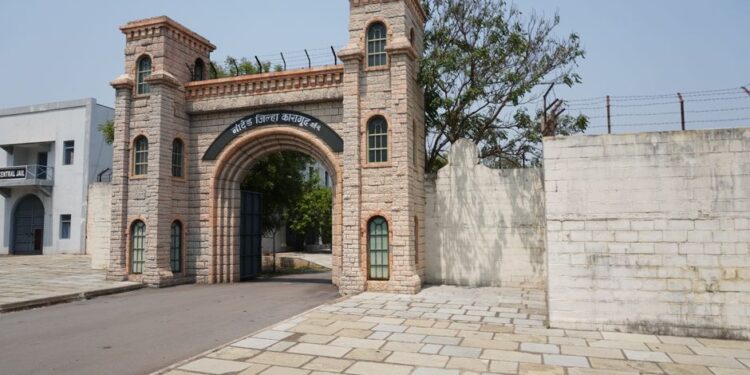
Nanded University has halted BSc admissions in 24 colleges due to significant deficiencies in infrastructure and faculty qualifications, impacting prospective students and raising concerns about educational standards.

Nanded, India — The Swami Ramanand Teerth Marathwada University has stopped admissions to first-year BSc courses at 24 colleges. This decision was announced on June 23, 2026. It follows inspections that found serious problems with laboratory infrastructure and faculty appointments. The affected colleges are in Nanded, Hingoli, Latur, and Parbhani districts. The university aims to maintain educational standards with this measure.
The university’s Academic Affiliation Department reported that many colleges did not meet key requirements for BSc programs. Several colleges lacked essential laboratory facilities and had not hired qualified teaching staff or principals. Additionally, some institutions failed to submit necessary proposals for the online Academic and Administrative Audit. This audit is crucial for compliance with educational regulations. A report from the Economic Times noted that these issues were found during routine inspections, highlighting the need for colleges to meet academic standards for quality education.
This suspension of admissions is significant. It affects prospective students and raises concerns about the reputation of the involved colleges. The university’s decision aims to protect students from enrolling in institutions that do not meet minimum academic standards. This move emphasizes the importance of infrastructure for quality education and practical training in science disciplines. According to Careers360, halting admissions could have long-term effects on these colleges, making them less attractive to future students.
Implications for Current and Future Students
The halt in BSc admissions is especially impactful for students planning to enroll in these programs. Many students now face uncertainty about their educational paths. Those who had already applied or were preparing for the admission process must reconsider their options, which may delay their academic progress. This suspension could lead to a drop in enrollment numbers for the affected colleges. Students might seek alternatives at institutions with better facilities and reputations. This situation could influence students’ choices in future academic cycles and affect the overall credibility of these colleges.
Implications for Current and Future Students
You may also like
 Education & University Insights
Universities adopt alternative aptitude assessments to broaden talent pools
This analysis dissects how alternative assessments are being embedded, the systemic ripple effects, and the capital implications for students and institutions.
Read More →As the situation develops, students should stay informed about their preferred colleges. They may need to look for other institutions or programs that provide the necessary infrastructure and support. The university has advised students and parents to check the approval status and facilities of colleges before securing admissions. This highlights the importance of making informed decisions. Moreover, the implications extend beyond individual students. The halt in admissions may push colleges to reassess their infrastructure and educational offerings to remain competitive.
What Changed Quickly
This incident also points to a broader concern in higher education about compliance with infrastructure standards. Colleges must prioritize developing adequate facilities to create a conducive learning environment. This situation may prompt administrators to reevaluate their infrastructure policies and ensure compliance with regulations to avoid similar issues in the future. The Economic Times stresses that compliance is vital for institutional integrity and enhancing the educational experience for students.
Wider Impact on Higher Education in India
The decision to suspend admissions reflects a growing trend in Indian higher education to enforce stricter compliance with academic standards. Authorities are increasingly recognizing the need to maintain quality education, essential for the country’s development and global workforce competitiveness. This situation could lead to a reevaluation of policies regarding infrastructure requirements across various educational institutions. As reported by Edexlive, the university’s actions may set a precedent for other institutions, encouraging them to conduct thorough inspections of their affiliated colleges.
Authorities are increasingly recognizing the need to maintain quality education, essential for the country’s development and global workforce competitiveness.
Furthermore, this incident may influence government policies on funding and support for educational institutions. Colleges that do not meet infrastructure standards could face penalties or reduced funding. In contrast, those that comply may receive incentives for improvements. This could create a more competitive environment among colleges, prompting them to invest in their facilities to attract students. The broader implications of this trend could lead to improved educational outcomes for students across India as institutions prioritize developing functional and well-equipped laboratories and classrooms.
You may also like
 Education & University Insights
Spelman President on Federal Funding, AI Popularity
The federal government has reduced funding for Historically Black Colleges and Universities (HBCUs), which has raised concerns among administrators about maintaining educational quality and job
Read More →In the long term, focusing on infrastructure could enhance educational outcomes for students across India. By ensuring that colleges meet minimum standards, students will receive better training and preparation for their future careers. This will ultimately benefit the economy as a whole. The halt in BSc admissions at Nanded University serves as a critical reminder of the importance of maintaining quality in higher education. As students and colleges navigate this challenging landscape, the focus on infrastructure and compliance will likely shape the future of academic programs in India.
It remains to be seen how quickly the affected colleges can address their deficiencies. Students will need to decide whether to stay with these institutions or seek alternatives that offer a better educational experience.
Frequently Asked Questions
What are the implications of halted BSc admissions for students in Nanded University?
The suspension of BSc admissions in 24 colleges limits enrollment options for prospective students. It creates uncertainty about their academic future. Students may need to explore alternative institutions that meet necessary infrastructure standards.
How can academic administrators address infrastructure deficiencies in colleges?
Academic administrators can address infrastructure deficiencies by investing in laboratory facilities and ensuring compliance with regulatory requirements. Regular audits and inspections can help identify and fix issues before they affect admissions.
Students may need to explore alternative institutions that meet necessary infrastructure standards.

What should BSc students do if their college’s admissions are suspended?
BSc students affected by the suspension should verify their preferred colleges’ status. They should consider exploring other institutions that offer the necessary facilities and support for their education. Staying informed about regulatory compliance can help students make better choices.
You may also like
 Education & University Insights
Academic mentorship reduces systemic gaps in STEM
According to a 2026 community‑college mentorship brief, participants reported a measurable increase.
Read More →