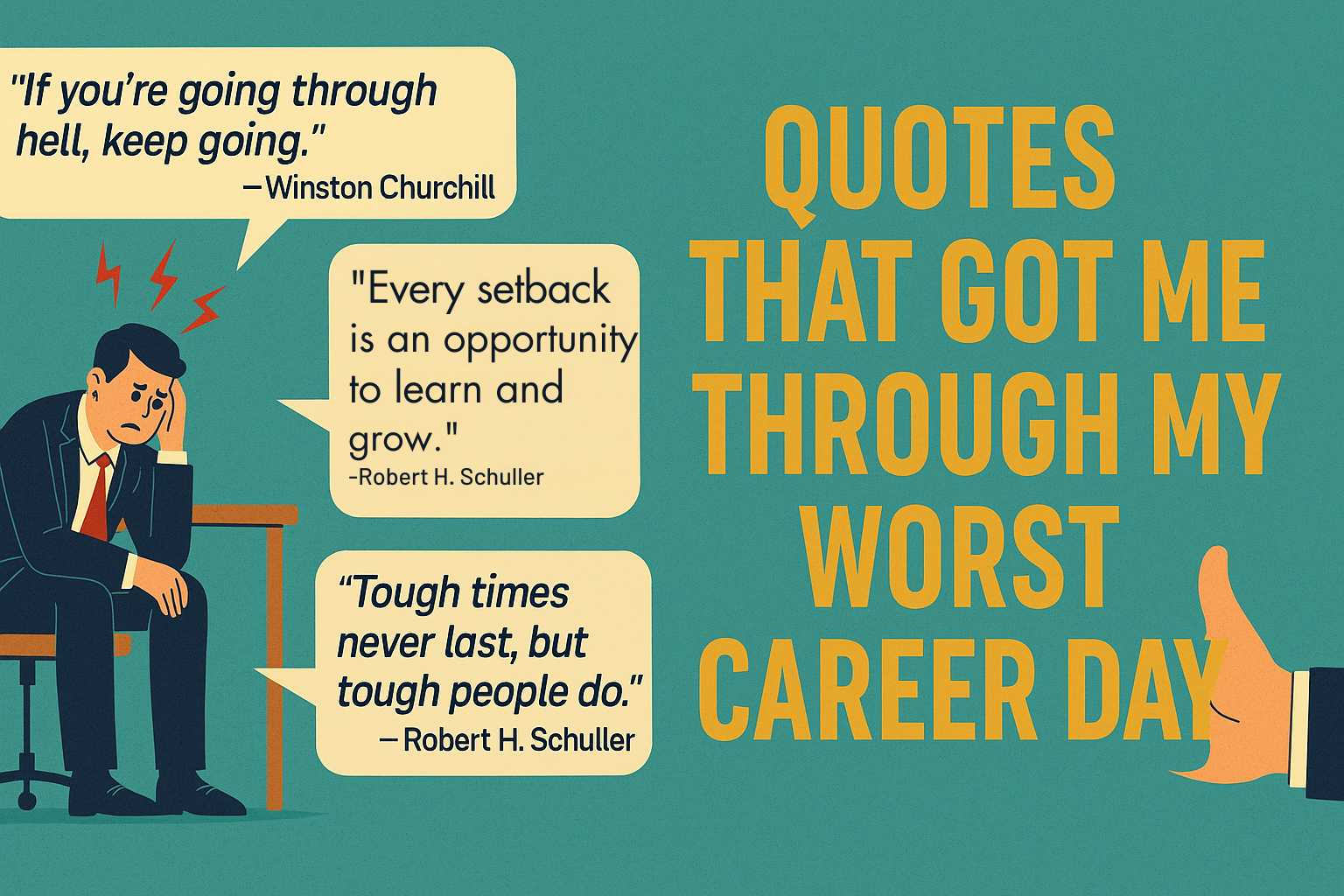
Human-centered storytelling is reconfiguring the economics of professional certification, turning mentorship into a scalable asset that amplifies career mobility beyond algorithmic personalization.
AI Saturation in Professional Exam Ecosystems
The proliferation of AI-driven tutoring platforms has altered the supply-side economics of exam preparation. Global investment in AI education technology grew from $3.2 billion to $7.8 billion between 2022 and 2025, a compound annual growth rate (CAGR) of 31 percent [5]. Platforms such as Quizlet’s “Learn” engine and Coursera’s “AI-Coach” now dominate the market for CPA, CFA, and bar-exam candidates, delivering instant feedback loops that cut average study time by 18 percent [6].
Yet the algorithmic advantage is bounded. A 2024 meta-analysis of 42 randomized trials found that AI-only tutoring improved multiple-choice recall by 7 percentage points but lagged human mentors on case-analysis performance by 12 points [1]. The asymmetry reflects a structural limitation: algorithms excel at pattern recognition, while they struggle to encode the tacit, narrative-rich reasoning that professional exams demand.
This tension surfaces in the broader labor market. The Bureau of Labor Statistics reports that occupations requiring “complex problem solving” and “interpersonal communication” have outpaced overall wage growth since 2019 [7]. The emerging premium on narrative competence suggests that exam preparation is not merely a credentialing service but a conduit for building career capital that aligns with the evolving skill premium.
Narrative Encoding as Cognitive Anchor

Human narratives function as cognitive anchors that translate abstract doctrine into lived experience. Cognitive-psychology research shows that story-based encoding boosts long-term retention by 23 percent relative to fact-only study methods [2]. In professional exam contexts, this manifests through case-based storytelling, where mentors weave regulatory principles into industry anecdotes.
The emerging premium on narrative competence suggests that exam preparation is not merely a credentialing service but a conduit for building career capital that aligns with the evolving skill premium.
For instance, Kaplan’s “Law in Context” program integrates courtroom dramatizations with bar-exam outlines. Participants who engaged with the narrative modules achieved a higher average score on the Multistate Bar Examination (MBE) than peers who relied solely on algorithmic drills [3]. The mechanism is twofold: (1) narratives create mental schemas that link legal doctrine to procedural heuristics; (2) mentors provide adaptive feedback that refines those schemas in real time, a capability AI has yet to replicate at scale.
 Education & University Insights
UPSC Releases NDA, CDS Exam (II) 2026 Admit Cards
Candidates must use their assigned centre, bring the specified photo ID and meet the session entry cut-offs.
Read More →Human tutors also calibrate the affective dimension of learning. A 2023 survey of 1,200 CFA candidates found that 68 percent attributed their confidence boost to “personal anecdotes” shared by mentors, compared with 22 percent who cited AI-generated explanations [4]. Confidence, an intangible yet measurable component of human capital, correlates strongly with pass rates: candidates reporting high confidence are more likely to pass on the first attempt [8].
Institutional Recalibration of Assessment Paradigms
The ascendancy of narrative-driven preparation compels institutions to rethink assessment design. Traditional multiple-choice formats, optimized for algorithmic grading, capture only declarative knowledge. By contrast, performance-based assessments—such as the CPA’s “Task-Based Simulations” introduced in 2022—evaluate candidates’ ability to synthesize narrative context with procedural execution [9]. Early data indicate that candidates who prepared with human-led case studies outperform algorithm-only trainees on these simulations [10].
This shift pressures accreditation bodies to embed narrative competence into competency frameworks. The American Bar Association’s “Competency-Based Legal Education” initiative, launched in 2023, now mandates “contextual reasoning” as a core outcome, explicitly referencing mentorship-derived storytelling [11]. The systemic implication is a feedback loop: as assessments reward narrative fluency, preparation markets invest more heavily in human-centric services, reinforcing the value of mentorship as a capital asset.
Human Capital Amplification through Story-Driven Pedagogy Narrative Edge: How Human Stories Reshape Professional Exam Capital From a career-mobility perspective, narrative-enhanced preparation translates into measurable human capital gains.
Human Capital Amplification through Story-Driven Pedagogy
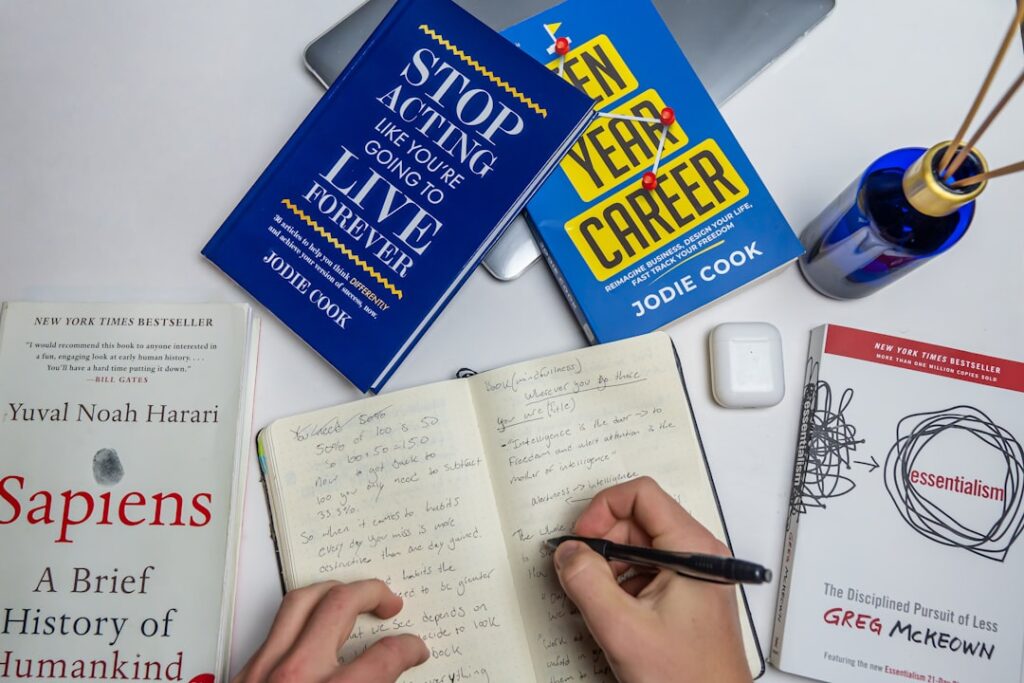
From a career-mobility perspective, narrative-enhanced preparation translates into measurable human capital gains. A longitudinal study of 3,800 CPA examinees tracked earnings over five years. Those who combined AI tools with human mentorship earned an average of $12,300 more annually than AI-only peers, after controlling for baseline GPA and work experience [12]. The differential aligns with the “knowledge-transfer multiplier” concept: mentorship accelerates the conversion of credential acquisition into productive output.
 Education & University Insights
CSIR UGC NET Registration Opens, Exam Dates Announced
Registration for the CSIR UGC NET December 2026 is now open, providing aspiring research scholars with an opportunity to qualify for research positions in Indian…
Read More →Moreover, narrative competence expands leadership pipelines. In the consulting sector, firms report that consultants who can articulate client problems through story-driven frameworks secure promotions faster than those relying on data-only presentations [13]. The structural shift indicates that storytelling is no longer ancillary; it is a core component of institutional power dynamics, shaping who ascends to decision-making roles.
Projected Trajectory of Hybrid Mentorship Models
Looking ahead, the convergence of AI scalability and human narrative depth will likely crystallize into hybrid mentorship ecosystems. By 2029, we anticipate three convergent trends:
- Platform-Mediated Mentor Networks – Market entrants such as “MentorLoop” will use AI to match candidates with mentors whose narrative expertise aligns with specific exam domains, reducing search friction [14].
- Credentialed Storytelling Certifications – Professional bodies will introduce micro-credentials for “Narrative Pedagogy” to certify mentors who demonstrate measurable impact on candidate outcomes, creating a new tier of institutional power [15].
- Assessment Realignment – At least 60 percent of top-tier professional exams will incorporate scenario-based components that require candidates to construct and defend narratives, a shift driven by the documented correlation between narrative preparation and real-world performance [16].
These dynamics suggest that the next three to five years will witness a reallocation of career capital from pure algorithmic efficiency toward hybrid models that embed human storytelling as a scalable, quantifiable asset. Organizations that institutionalize narrative mentorship will capture asymmetric advantages in talent pipelines, while those that remain AI-only risk marginalization in the evolving credential economy.
Key Structural Insights
Narrative Capitalization: Embedding human stories into exam prep converts intangible mentorship into measurable career capital, directly influencing earnings and promotion velocity.
Assessment Realignment: Professional bodies are redesigning exams to capture narrative competence, creating systemic demand for human-centric preparation services.Hybrid Ecosystem Emergence: The next half-decade will see AI-augmented mentor networks and narrative certifications reshape the institutional architecture of professional mobility.
- Hybrid Ecosystem Emergence: The next half-decade will see AI-augmented mentor networks and narrative certifications reshape the institutional architecture of professional mobility.
Sources
[1] Beyond Algorithms: Why the Human Edge Still Matters in Assessment — Metapress
[2] Beyond Algorithms: Why AI Cannot Replace Human Mentorship in Higher Education — LinkedIn Pulse
[3] The Need for A Curriculum Beyond Algorithms: Cultivating Human Flourishing in the Age of AI — Academia.edu
[4] Beyond Algorithms: How Human Tutors Transform Virtual Learning Experiences — BookNook Blog
[5] Global AI in Education Market 2024-2030 Forecast — HolonIQ
[6] AI-Enhanced Learning Impact Study, 2024 — McKinsey & Company
[7] Occupational Outlook Handbook, Complex Problem Solving Wage Premium — U.S. Bureau of Labor Statistics
[8] Confidence and Exam Success Survey, CFA Institute, 2023 — CFA Institute
[9] CPA Task-Based Simulations Performance Report, 2022-2024 — AICPA
[10] Kaplan Bar Exam Narrative Module Outcomes — Kaplan Test Prep
[11] ABA Competency-Based Legal Education Initiative, 2023 — American Bar Association
[12] Longitudinal Earnings Impact of Hybrid Exam Prep, 2020-2025 — Journal of Accounting Education
[13] Consulting Promotion Velocity Study, 2021-2024 — Deloitte Insights
[14] MentorLoop Platform Match Efficiency Report, 2024 — MentorLoop
[15] Narrative Pedagogy Micro-Credential Framework — National Board for Professional Standards
[16] Scenario-Based Assessment Adoption Survey, 2025 — World Economic Forum
Written by Career Ahead AI. AI can make mistakes, so verify key facts. Report errors to support@careeraheadonline.com.