No products in the cart.

Navigating Career Guidance: Who to Trust
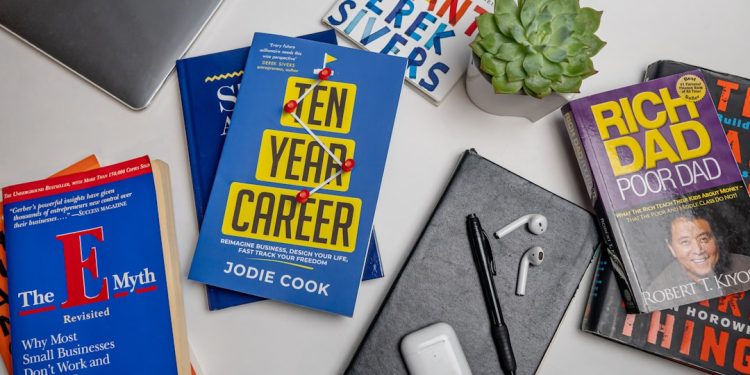
Explore credible sources for career guidance, including mentors and counselors, and learn how to effectively vet them for your career development.

New York, USA — As the job market evolves, the need for reliable career guidance becomes paramount. Young professionals and students often find themselves at a crossroads, unsure of the right path to take. In this landscape, identifying credible sources of career advice can significantly impact one’s professional trajectory.
understanding Your Options
Career guidance can come from various sources, each with unique advantages and drawbacks. Here’s an overview of the most credible options:
- Career Counselors: Trained professionals who provide personalized advice based on assessments and career goals. They often work in educational institutions and can help with resume building, interview preparation, and job search strategies. However, their services can be costly, and the effectiveness may vary based on the counselor’s experience.
- Faculty Advisors: Professors and academic advisors can offer insights specific to your field of study. They often have industry connections and can guide you toward internships and job opportunities. The downside is that their advice may be limited to academic contexts and may lack real-world application.
- Industry Mentors: Professionals with substantial experience in your desired field can provide invaluable advice and networking opportunities. They can share firsthand insights about industry trends and expectations. However, finding a mentor willing to invest time in you can be challenging.
- Alumni Networks: Connecting with alumni from your school can yield rich insights and opportunities. Alumni often feel a sense of obligation to help fellow graduates, making them more approachable. The challenge lies in navigating these networks and ensuring you approach them professionally.
- Peer Networks: Fellow students and colleagues can provide support and share experiences. They can offer a relatable perspective and may have access to job openings. However, relying solely on peers may limit your exposure to broader industry insights.

How to Vet a Career Counselor
Finding the right career counselor is crucial. Here are steps to ensure you choose wisely:
- Check Credentials: Look for counselors with relevant certifications, such as those from the National Career Development Association (NCDA) or similar organizations. This ensures they have met specific educational and professional standards.
- Read Reviews: Seek feedback from previous clients. Online platforms and social media can provide insights into their effectiveness and approach.
- Initial Consultation: Many counselors offer free consultations. Use this opportunity to gauge their communication style and whether it aligns with your needs.
- Ask About Their Process: Inquire about their methods and how they tailor advice to individual clients. A good counselor should provide a clear roadmap for your career development.
- Evaluate Compatibility: Trust your instincts. A good rapport is essential for effective guidance.
Outreach Templates for Networking
When reaching out to potential mentors or advisors, a well-crafted message can make a significant difference. Here are templates to help you connect:
A good counselor should provide a clear roadmap for your career development.
For Alumni:
You may also like
 Career Guidance
Textile Engineer Transitions to Pilot Career
Smit Machchhar, a pilot with over 13 years of experience, shifted from textile engineering to aviation after discovering his passion for flying at 19.
Read More →Subject: Seeking Career Advice from a Fellow [University Name] Graduate
Dear [Alumnus Name],
I hope this message finds you well. My name is [Your Name], and I am currently a [Your Year/Field of Study] at [University Name]. I came across your profile on the alumni network and was impressed by your career in [Industry/Field]. I would greatly appreciate any insights you could share about your journey and any advice you might have for someone looking to enter the field.
Thank you for considering my request. I look forward to the possibility of connecting!
Best regards,
[Your Name]
[Your Contact Information]
For Industry Mentors:
Subject: Request for Mentorship
Dear [Mentor’s Name],
I hope you are doing well. My name is [Your Name], and I am [Your Position/Field]. I admire your work at [Company Name] and would love the opportunity to learn from your experiences. Would you be open to a brief chat or coffee? I am eager to gain insights into [specific topic or area of interest].
Thank you for your time and consideration.
You may also like
 Career Guidance
MPSC Postpones Mains Exam 2026 Scheduled For October 3 | Career Outlook
The Maharashtra Public Service Commission (MPSC) has postponed the State Services Main Examination 2026, originally set for October 3, due to concerns over exam integrity.
Read More →Sincerely,
[Your Name]
[Your Contact Information]
I admire your work at [Company Name] and would love the opportunity to learn from your experiences.
Testing the Effectiveness of Guidance
After establishing connections and receiving guidance, it’s crucial to evaluate the effectiveness of the advice. Here’s a simple 30–60 day plan:
- Set Clear Goals: Define what you want to achieve from the guidance—be it landing an internship, improving your resume, or networking.
- Implement Advice: Actively apply the suggestions you receive. This could mean updating your resume, applying for specific roles, or reaching out to new contacts.
- Track Progress: Keep a record of your applications, responses, and any interviews. This will help you assess whether the guidance is leading to tangible results.
- Solicit Feedback: After a few weeks, reach out to your mentor or counselor for feedback on your progress. This will not only show your commitment but also allow for course corrections.
- Reflect and Adjust: After 60 days, evaluate what worked and what didn’t. Use this reflection to refine your approach moving forward.
As the job market continues to shift, understanding where to seek guidance is essential for career growth. By leveraging credible sources and actively engaging with them, you can navigate your career path with confidence. The future of work is dynamic, and those who adapt and seek knowledge will thrive.