No products in the cart.

Navigating Crisis Management in Healthcare Amid Social Media Challenges

Discover essential strategies for healthcare organizations to manage crises in the fast-paced world of social media.

San Francisco, USA — Navigating Crisis management in Healthcare
In today’s hyper-connected world, healthcare organizations face unprecedented challenges in crisis management. The rapid dissemination of information, especially through social media, can amplify both positive and negative narratives at lightning speed. For healthcare brands, maintaining a robust reputation is not just a matter of public relations—it’s essential for patient trust and organizational survival.
The COVID-19 pandemic has underscored the importance of effective communication strategies. As misinformation spread widely, healthcare organizations found themselves at the forefront of not only treating patients but also combating false narratives. This dual responsibility demands that leaders in the healthcare sector develop agile crisis management strategies that can withstand the scrutiny of social media.
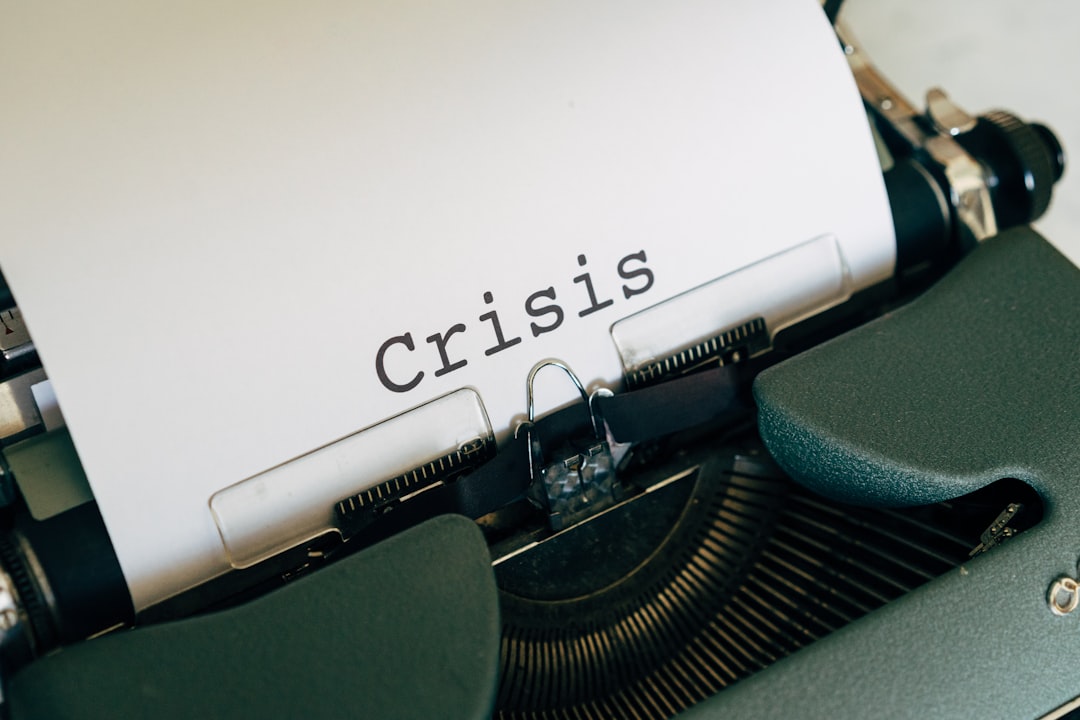
Understanding the Crisis Landscape
Crises in healthcare can arise from various sources: data breaches, medical errors, or public health emergencies. A notable case is the 2017 Equifax data breach, which exposed sensitive information of millions, including healthcare data. This incident highlighted the vulnerabilities within healthcare systems and the importance of transparency. According to a study by the Ponemon Institute, the average cost of a data breach in healthcare was $3.86 million in 2020, making it vital for organizations to have robust crisis management protocols in place [1].
Moreover, the rise of platforms like Twitter and Facebook means that any misstep can quickly escalate. A mismanaged response can lead to a PR disaster, as seen in 2018 when a major pharmaceutical company faced backlash over its pricing strategy. The company’s stock plummeted by 10% within days due to negative social media sentiment [2].
 AI
AIAmazon Cuts Jobs Amid Surge in AI Investment
Amazon's layoffs signal a dramatic shift towards AI investment, transforming corporate strategies and the job market.
Read More →Develop a Crisis Communication Plan: A solid plan should outline key stakeholders, communication channels, and a designated crisis management team.
Healthcare leaders must recognize the unique challenges posed by social media. The immediacy and reach of these platforms require a proactive rather than reactive approach. This involves not only rapid response strategies but also building a resilient brand reputation that can weather storms.
Strategies for Effective Crisis Management
1. Develop a Crisis Communication Plan: A solid plan should outline key stakeholders, communication channels, and a designated crisis management team. This team must be trained to respond swiftly and effectively to any crisis, ensuring that messaging is clear and consistent.
2. Leverage Social Media Monitoring Tools: Tools like Hootsuite and Brandwatch allow organizations to track mentions and sentiment in real-time. By monitoring social media channels, healthcare organizations can identify potential crises early and respond before misinformation spreads.
3. Engage with Your Audience: Transparency is key. When a crisis arises, healthcare brands should engage openly with their audience. This means acknowledging the issue, providing accurate information, and being accessible for questions. A 2021 survey by Edelman found that 71% of consumers want brands to be transparent about their actions during a crisis [3].
 Business
ASEAN’s Path to Enhanced Economic Security
ASEAN seeks to strengthen economic security and resilience through strategic initiatives that address current challenges and opportunities in the region.
Read More →4. Implement Training Programs: Regular training for employees on crisis management and communication can prepare them for unexpected situations. This includes simulations of potential crises to practice responses and improve overall readiness.
5. Analyze Past Crises: Learning from previous incidents is crucial. Analyzing how similar organizations responded to crises can provide valuable insights. For instance, during the Ebola outbreak in 2014, the CDC faced criticism for its initial handling of the situation. However, it later improved its communication strategy, which can serve as a model for future responses [4].
Analyze Past Crises: Learning from previous incidents is crucial.
Looking Ahead: The Future of Crisis Management in Healthcare
The landscape of healthcare crisis management is evolving. As technology advances, so too do the strategies required to manage crises effectively. Artificial intelligence and machine learning are beginning to play roles in predicting and mitigating crises before they escalate. For instance, predictive analytics can help organizations identify patterns in data breaches or patient complaints, enabling them to address issues proactively.
Moreover, as younger generations become more engaged in healthcare decision-making, their expectations for transparency and responsiveness will only increase. Organizations that can adapt to these changes will not only enhance their reputations but also foster stronger relationships with patients and the broader community.
 Education
Is Higher Education Still Worth It in 2025? A Data-Driven Examination
As tuition costs soar and alternative career paths multiply, 2025’s data reveals a nuanced picture of higher education’s value. This…
Read More →In conclusion, the healthcare sector must prioritize crisis management as an integral part of its operational strategy. By developing robust communication plans, leveraging technology, and fostering a culture of transparency, healthcare organizations can navigate the complexities of social media and emerge stronger in the face of adversity.