No products in the cart.

Navigating the Automation Landscape: Singapore HR Leaders on AI
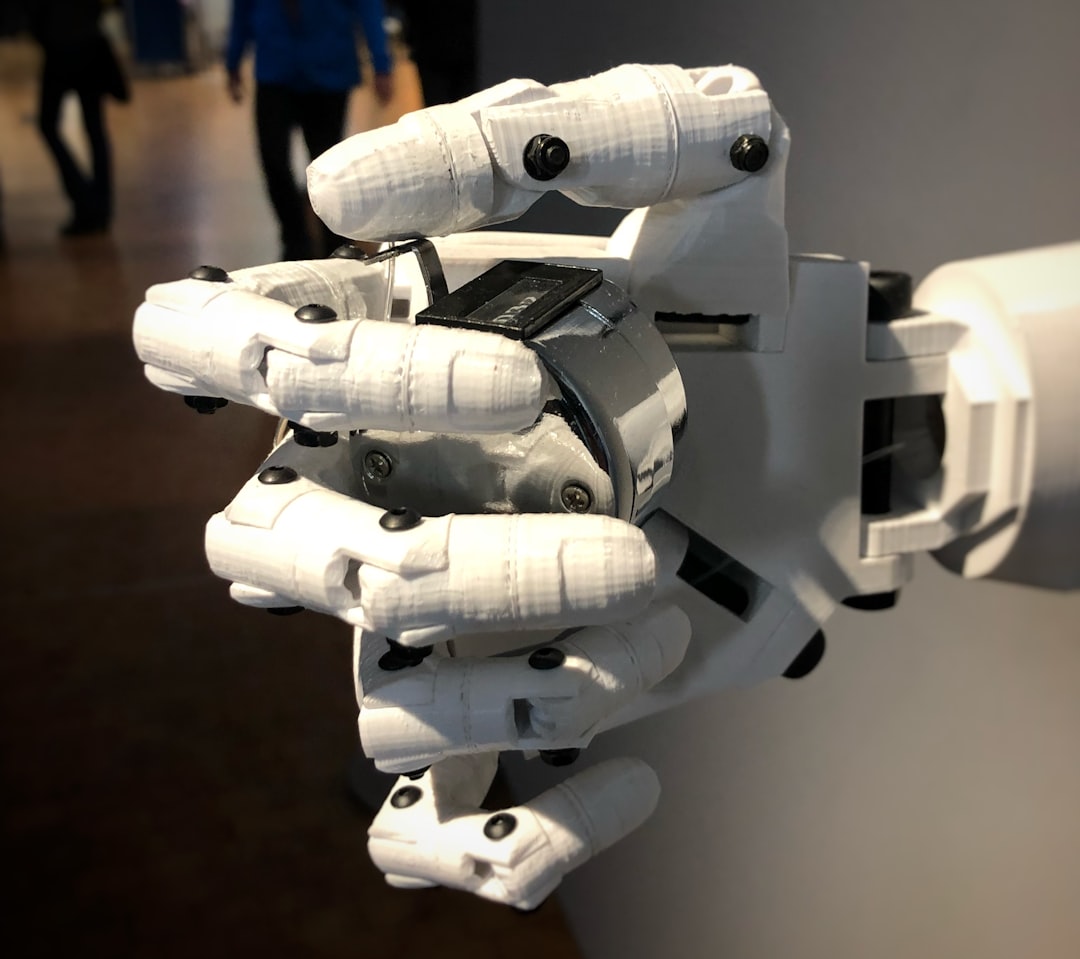
Singapore's HR leaders are at the forefront of AI integration in workplaces, balancing innovation with the challenges of automation.

Singapore, Singapore — Human resource (HR) leaders in Singapore are increasingly embracing artificial intelligence (AI) as a tool to enhance workplace efficiency and employee engagement. However, the rapid integration of these technologies is not without its challenges, particularly concerning job security and the ethical implications of automation.
This shift towards AI in HR practices is significant in the context of a post-pandemic world where businesses are re-evaluating their operational models. With the global workforce undergoing substantial changes, Singapore’s HR leaders are keenly aware of the need to adapt to technological advancements while safeguarding their workforce.

The growing adoption of AI in HR processes is reflected in a recent survey by the Singapore Human Resources Institute (SHRI), which found that over 70% of HR professionals are currently using or planning to use AI tools within the next two years. These tools range from AI-driven recruitment software to advanced analytics for employee performance management. As organizations strive for operational excellence, the potential for AI to streamline processes and reduce costs is undeniable.
However, the enthusiasm for AI is tempered by concerns over automation risks. A report from McKinsey Global Institute estimates that up to 30% of jobs in Singapore could be automated by 2030, a statistic that alarms many HR professionals. The implications of such a shift are profound, raising questions about workforce displacement and the need for reskilling initiatives.
 AI
AIHow AI is Transforming General Motors’ Supply Chain Resilience
AI is reshaping how General Motors manages its supply chain, enhancing resilience against disruptions like hurricanes and material shortages.
Read More →The implications of such a shift are profound, raising questions about workforce displacement and the need for reskilling initiatives.
As HR leaders navigate this complex landscape, they are tasked with finding a balance between leveraging AI for efficiency and ensuring that employees feel secure in their roles. This involves not just implementing technology but also fostering a culture of continuous learning and adaptability. According to a study by PwC, companies that invest in workforce training and development are better positioned to thrive amid technological disruption.
Moreover, ethical considerations around AI usage in HR are coming to the forefront. Issues such as bias in algorithms and the transparency of AI decision-making processes are critical to address. As highlighted by a report from the World Economic Forum, organizations must prioritize ethical standards in AI deployment to build trust with their employees and stakeholders.
HR leaders are also exploring hybrid models of work, combining remote and in-office arrangements. This shift has been accelerated by the COVID-19 pandemic, which forced many organizations to adopt flexible work policies. A survey by Gartner found that 82% of company leaders plan to allow remote work at least some of the time, indicating a lasting change in workplace dynamics.
In Singapore, the government has been proactive in addressing these changes. The Ministry of Manpower has launched initiatives aimed at facilitating workforce adaptation, including the SkillsFuture program, which encourages lifelong learning and skills development. This program is crucial in preparing the workforce for the jobs of the future, particularly in technology-driven sectors.
 Banking & Finance
Dimon Addresses Employee Concerns Over Work-from-Home Mandate
JP Morgan CEO Jamie Dimon confronts employee backlash over work-from-home policies, emphasizing the need for in-office collaboration.
Read More →Looking ahead, the conversation around AI in HR will likely continue to evolve. As technology advances, HR leaders will need to remain vigilant in understanding the implications of AI on job roles and workplace culture. Engaging employees in discussions about AI and its potential impact will be essential in fostering an inclusive environment where all voices are heard.
Forward-thinking HR professionals are already envisioning a future where AI complements human capabilities rather than replaces them. This perspective is supported by research from Deloitte, which finds that organizations that embrace a collaborative approach to AI are more likely to see positive outcomes in employee satisfaction and overall productivity.
The Ministry of Manpower has launched initiatives aimed at facilitating workforce adaptation, including the SkillsFuture program, which encourages lifelong learning and skills development.
In this transitional period, HR leaders must prioritize transparency in AI implementation. Clear communication about how AI tools will be used and the benefits they bring can help alleviate employee concerns. Furthermore, involving employees in the design and deployment of AI systems can enhance acceptance and foster a sense of ownership.
As Singapore continues to position itself as a global leader in innovation, the integration of AI into HR practices will play a pivotal role in shaping the future of work. The challenge will be to harness the benefits of technology while ensuring that the workforce remains engaged, skilled, and secure.
 Career Development
Establishing Boundaries in the Age of Digital Memory
As digital memory becomes ubiquitous, establishing boundaries is crucial for privacy and mental health. Explore why this matters now.
Read More →Ultimately, the successful integration of AI in HR will depend on a collaborative effort between technology providers, HR professionals, and employees. By fostering a culture of adaptability and ethical responsibility, Singapore can lead the way in creating a future where technology and human talent coexist harmoniously.