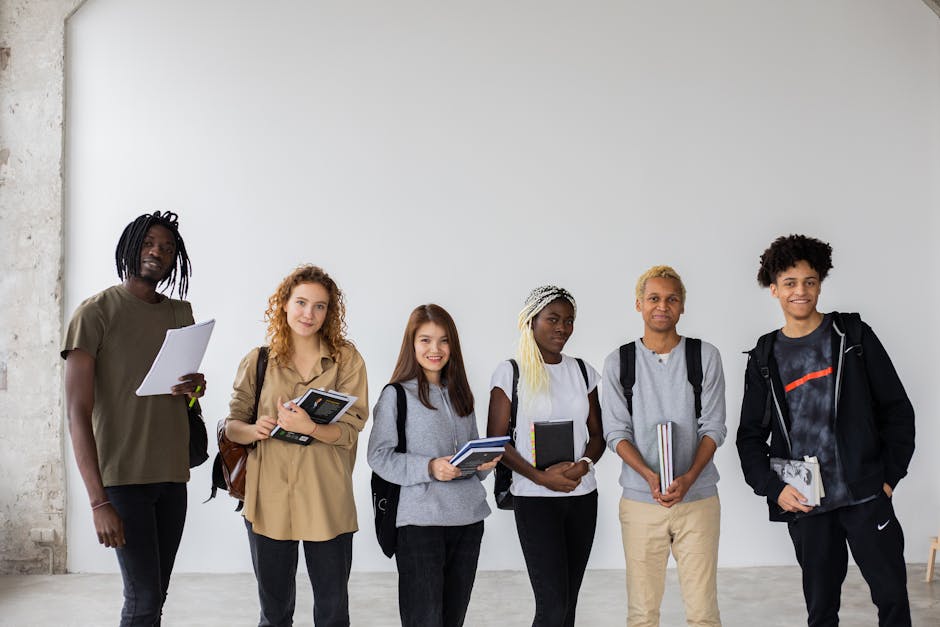
Madison, Wisconsin — The landscape for international students at the University of Wisconsin-Madison (UW-Madison) has drastically changed in recent years. Under the Trump administration, policies that affected immigration and visa regulations led to a significant decline in the number of new international undergraduates. Last fall, this number fell by 25% compared to the previous year, raising concerns about the university’s financial health and its competitive edge in attracting global talent.
This decline is not just a statistic; it represents a tangible shift in the university’s demographic makeup and its ability to foster a diverse educational environment. International students contribute significantly to the campus culture, bringing varied perspectives and experiences that enrich the learning atmosphere. However, the tightening of visa regulations and the overall political climate have made it increasingly challenging for these students to pursue their education in the United States.
The implications of this drop are far-reaching. Financially, UW-Madison relies on tuition from international students, which is often higher than that of domestic students. With fewer international students enrolling, the university faces budgetary constraints that could impact programs, faculty hiring, and resources available to all students. Additionally, a less diverse student body can diminish the educational experience for all students, limiting their exposure to different cultures and ideas.
How Trump’s Policies Reshaped the Landscape for International Students
The Trump administration implemented several policies that directly affected international students. Changes to the H-1B visa program, which many students rely on for employment after graduation, made it more difficult for graduates to secure jobs in the U.S. Furthermore, the administration’s stance on immigration created an atmosphere of uncertainty and fear among international students and their families. Many students felt less welcome and more apprehensive about their future in the U.S.
Additionally, a less diverse student body can diminish the educational experience for all students, limiting their exposure to different cultures and ideas.
 News
NewsFive Courses Students Can Explore for International Careers
Five course areas are highlighted for international careers, while healthcare eligibility depends on local requirements.
Read More →According to a report from the Institute of International Education, the number of international students in the U.S. has steadily declined since 2016. This trend is particularly evident in STEM fields, where international students have traditionally made up a significant portion of the student body. The decline in enrollment not only affects universities like UW-Madison but also the broader U.S. economy, which benefits from the innovation and talent that international students bring.
Moreover, the COVID-19 pandemic exacerbated these challenges. Travel restrictions and health concerns made it even more difficult for prospective international students to consider studying in the U.S. Many chose to defer their studies or pursue education in countries with more welcoming policies. As a result, UW-Madison and similar institutions are facing a perfect storm of declining enrollments and increased competition from universities abroad.
What This Means for Your Career at UW-Madison
The implications of these changes extend beyond the university itself. For current and prospective students at UW-Madison, particularly those from international backgrounds, the landscape has shifted dramatically. If you are an international student, here’s what you need to consider:
- Networking Opportunities: With fewer international students, the opportunities to connect with peers from diverse backgrounds may diminish. It’s crucial to actively seek out events and organizations that promote cultural exchange and networking.
- Career Services: Utilize UW-Madison’s career services to stay informed about changes in visa regulations and job opportunities. They can provide guidance tailored to international students navigating the job market.
- Stay Informed: Keep abreast of policy changes that may affect your status or job prospects. Engaging with student organizations can provide valuable insights and support.
- Adaptability: Be prepared to adapt your career plans. Consider exploring opportunities in other countries or remote work options that may not be as affected by U.S. immigration policies.
However, some experts caution against viewing the decline in international student enrollment solely through a negative lens. According to a report from the Brookings Institution, the shift in demographics can also lead to new opportunities for universities to innovate and adapt their programs to attract a different student base. As institutions like UW-Madison face these challenges, they may also find ways to enhance their appeal to domestic students and rethink their global engagement strategies.
The Future of International Education at UW-Madison
The future of international education at UW-Madison will depend heavily on how the university responds to these challenges. As the political climate shifts and new policies emerge, there may be opportunities for the university to rebuild its international student population. This could involve creating more inclusive programs, improving support services, and fostering a welcoming environment for international students.
 Education & University Insights
Kumar Urges Colleges to Graduate Students with Work Portfolios
Kumar linked policy success to institutional capacity, while industry examples show curricula and hiring tests shifting towards applied problem-solving.
Read More →Networking Opportunities: With fewer international students, the opportunities to connect with peers from diverse backgrounds may diminish.

Moreover, as competition for international talent increases, UW-Madison may need to enhance its marketing strategies to showcase the benefits of studying in Wisconsin. Highlighting successful alumni and unique research opportunities could attract prospective students who may have previously considered other institutions.
As we look ahead, the question remains: How will UW-Madison adapt to the evolving landscape of international education? The university’s ability to innovate and respond to the needs of a diverse student body will be critical in shaping its future success.
Written by Career Ahead AI. AI can make mistakes, so verify key facts. Report errors to support@careeraheadonline.com.