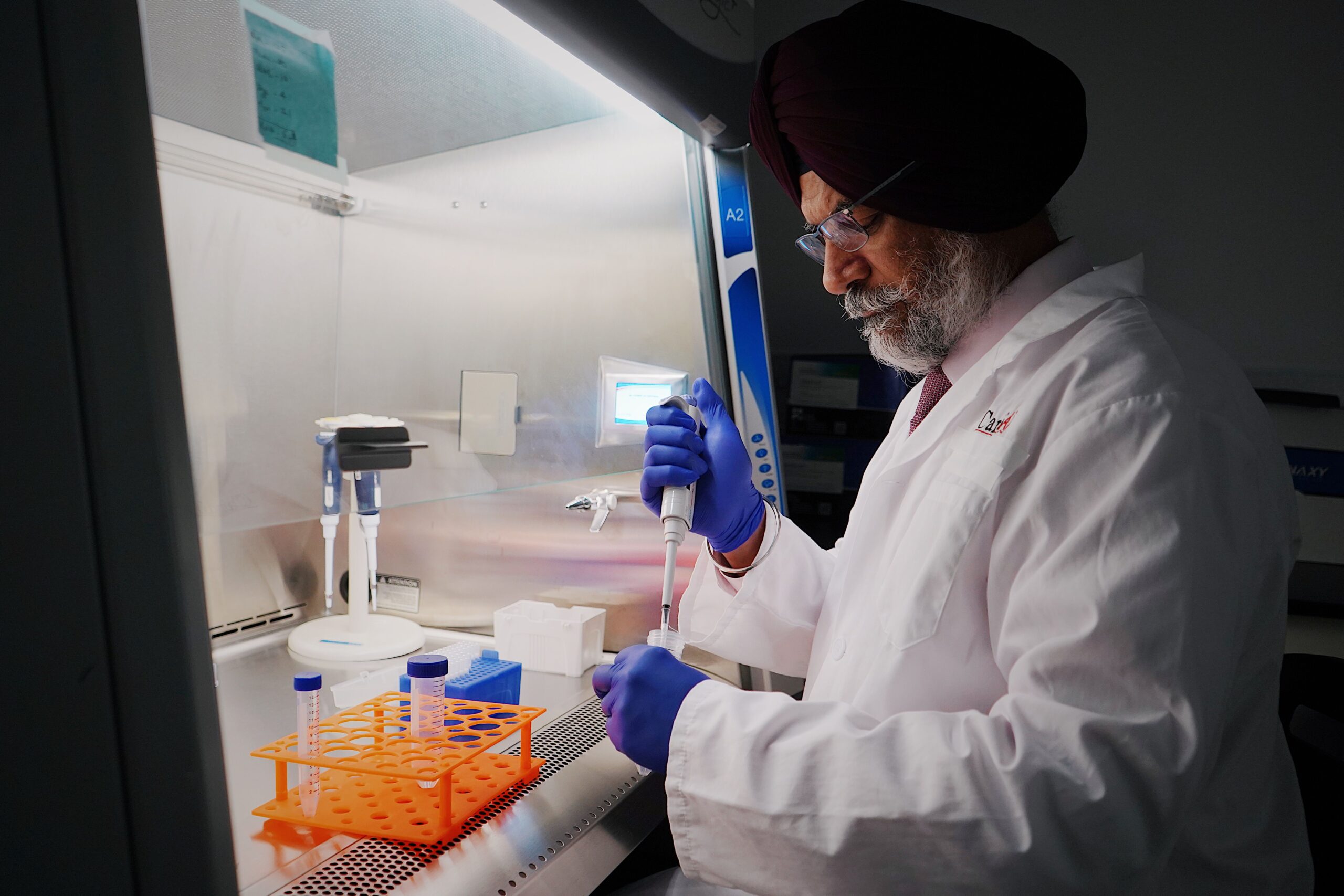
Washington, D.C. — Ocean acidification is emerging as one of the most pressing environmental challenges of our time. As carbon dioxide (CO2) levels in the atmosphere rise, more of this gas is absorbed by the oceans, leading to a decrease in pH levels. This chemical transformation threatens marine life, disrupts ecosystems, and poses significant risks to industries reliant on ocean health.
understanding ocean acidification is critical, not just for environmentalists, but for global economies. The United Nations has reported that over 3 billion people depend on the oceans for their livelihoods, with fisheries alone contributing $362 billion annually to the global economy. As acidification progresses, the implications for food security, tourism, and coastal communities could be dire.
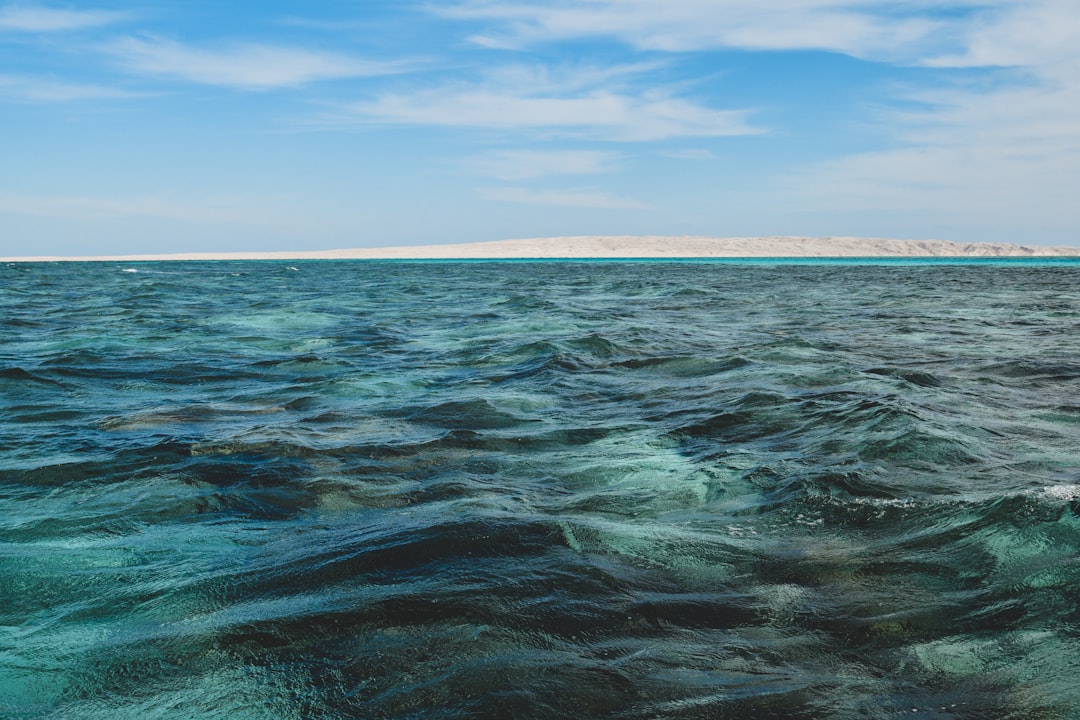 challenges of Ocean Acidification” loading=”lazy” />
Ocean acidification is driven primarily by increased atmospheric CO2, which stems from human activities such as burning fossil fuels and deforestation. When CO2 enters the ocean, it reacts with seawater to form carbonic acid, which further dissociates into bicarbonate and hydrogen ions. This reaction lowers the pH of the water, making it more acidic. Since the beginning of the Industrial Revolution, ocean acidity has increased by approximately 30%, with projections suggesting a further increase of 150% by the end of this century if current trends continue.
The consequences of this phenomenon are multifaceted. Marine organisms such as corals, shellfish, and certain plankton species are particularly vulnerable. Coral reefs, often referred to as the “rainforests of the sea,” are essential for biodiversity and serve as critical habitats for many marine species. The weakening of coral structures due to acidification threatens the entire marine ecosystem, leading to reduced fish populations and disrupted food chains.
Moreover, the economic ramifications are significant. The National Oceanic and Atmospheric Administration (NOAA) estimates that the decline in shellfish populations due to acidification could cost the U.S. economy up to $1 billion annually by 2100. This potential loss underscores the urgent need for mitigation strategies that can be implemented at various levels—from local initiatives to international agreements.
Efforts to combat ocean acidification are gaining momentum. In 2021, the United Nations adopted a resolution aimed at addressing ocean acidification by calling for enhanced scientific cooperation and sharing of best practices among member states. Countries like Canada and the United States are investing in research to better understand the impacts of acidification and develop adaptive strategies for affected industries.
One promising approach is the restoration of marine ecosystems, particularly mangroves and seagrasses, which can absorb CO2 and help buffer against acidification. Additionally, innovative aquaculture practices are being explored to breed more resilient marine species that can withstand changing ocean conditions.
Collaboration between governments, scientists, and industries is crucial. The Ocean Conservancy has launched initiatives to engage local communities in monitoring and addressing acidification impacts. By fostering grassroots participation, these efforts not only enhance data collection but also empower communities to take action.
Looking ahead, the challenge of ocean acidification is not insurmountable. With concerted global action, it is possible to mitigate its effects and safeguard marine ecosystems for future generations. The urgency of this issue calls for a unified response that integrates scientific research, policy-making, and community engagement. As stakeholders come together, the path forward will hinge on innovation and resilience in the face of adversity.
Ultimately, the choices made today will determine the health of our oceans tomorrow. Engaging in dialogue about sustainable practices and supporting policies that promote environmental stewardship are vital steps. The future of our oceans—and the livelihoods they support—depends on the actions we take now.
Written by Career Ahead AI. AI can make mistakes, so verify key facts. Report errors to support@careeraheadonline.com.