No products in the cart.

Navigating the Ethical Labyrinth of AI in Defense
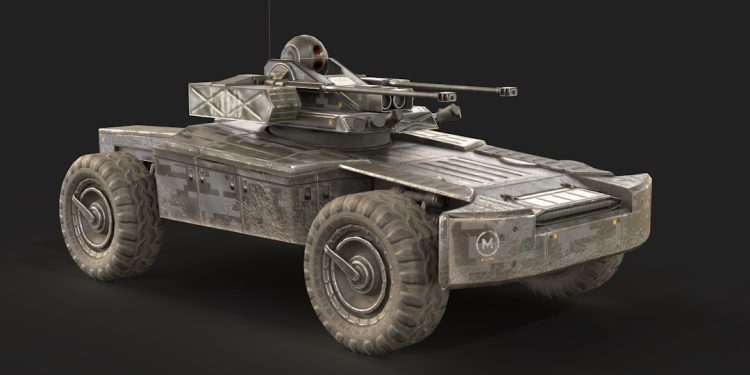
As AI technology transforms defense strategies, ethical dilemmas emerge, challenging future strategists and their careers. Explore the implications.

The rise of artificial intelligence (AI) is akin to a tidal wave, reshaping industries and redefining norms. In the realm of defense policy, this wave brings with it a surge of ethical dilemmas that future strategists must navigate with care. From autonomous drones making life-and-death decisions to AI algorithms predicting battlefield outcomes, the integration of AI into military strategy raises profound questions about morality, accountability, and the future of careers in defense governance.
As nations invest billions into AI technology, the stakes have never been higher. The Pentagon’s 2021 report on AI strategy emphasized the need for ethical considerations, stating that “the Department of Defense will pursue AI in a manner that is consistent with our values, including respect for human rights and the laws of war”. Yet, as we step into this uncharted territory, the path ahead is riddled with uncertainty.

To contextualize the current landscape, we must first look at the rapid advancements in AI technologies. Machine learning algorithms can now analyze vast amounts of data to predict enemy movements, making decisions faster than any human strategist ever could. Drones equipped with AI can autonomously carry out surveillance missions, reducing the risk to human life. However, these technological marvels pose a question that echoes through the halls of military command: who is ultimately responsible for the decisions made by an autonomous machine?
Consider the case of the Israeli Air Force, which has employed AI-driven drones in combat scenarios. While these drones can enhance operational efficiency, they also raise ethical concerns about civilian casualties and accountability. If a drone makes a mistake—targeting a civilian location instead of a military one—who bears the responsibility? The military strategist who approved the mission? The software engineer who coded the algorithm? Or the AI itself?
Defense strategists must now be well-versed not only in military tactics but also in ethical frameworks and AI technology.
Moreover, the implications of AI in defense extend beyond the battlefield. Careers in defense governance are evolving. As AI technologies take center stage, there is a growing demand for professionals who can bridge the gap between technology and ethics. Defense strategists must now be well-versed not only in military tactics but also in ethical frameworks and AI technology. This new breed of strategist will need to grapple with questions of morality in real-time, making decisions that could impact lives on a global scale.
You may also like
 Government & Policy
WhatsApp Introduces Parental Controls for Teen Safety
The new features allow parents to control who can see their teen's profile photo, add them to groups, and manage their access to Channels and…
Read More →While the ethical challenges are daunting, they also present unique opportunities for young professionals entering the field. Educational institutions are beginning to recognize the need for interdisciplinary programs that combine military strategy, ethics, and technology. Universities like Georgetown and Stanford offer courses on AI ethics in defense, preparing the next generation of leaders to tackle these dilemmas head-on.
However, the conversation around AI and defense cannot occur in a vacuum. International regulations and treaties will play a crucial role in shaping the future of AI in military applications. The United Nations has begun to address these concerns, calling for discussions on the legality and morality of autonomous weapons systems. The outcome of these conversations will significantly influence the direction of defense policies worldwide.
As we look ahead, the integration of AI in defense strategies serves as a microcosm of a larger societal shift. The ethical concerns surrounding AI are not limited to the military; they permeate every aspect of our lives—from healthcare to finance. Young professionals, particularly those aged 16 to 35, must engage with these issues, advocating for responsible and ethical use of technology in all sectors.
Educational institutions are beginning to recognize the need for interdisciplinary programs that combine military strategy, ethics, and technology.
In this rapidly evolving landscape, it is imperative for aspiring professionals to stay informed and proactive. The future of defense governance will require individuals who not only understand the intricacies of AI but also possess a strong moral compass. As the line between technology and ethics continues to blur, the necessity for ethical leadership in defense becomes ever more apparent.