[City], [Country] — The luxury goods market is undergoing a seismic shift, particularly within the hospitality industry, where the fusion of technology and consumer expectations is crafting a new narrative. From opulent hotels to exclusive resorts, the demand for personalized experiences is reshaping how brands approach their offerings.
As consumers emerge from the shadows of the pandemic, their desire for unique, high-end experiences has surged. Luxury, once synonymous with price tags, is now defined by authenticity, storytelling, and emotional connections. According to a recent report, nearly 60% of millennials and Gen Z consumers prioritize experiences over material possessions, pushing the hospitality sector to adapt swiftly.
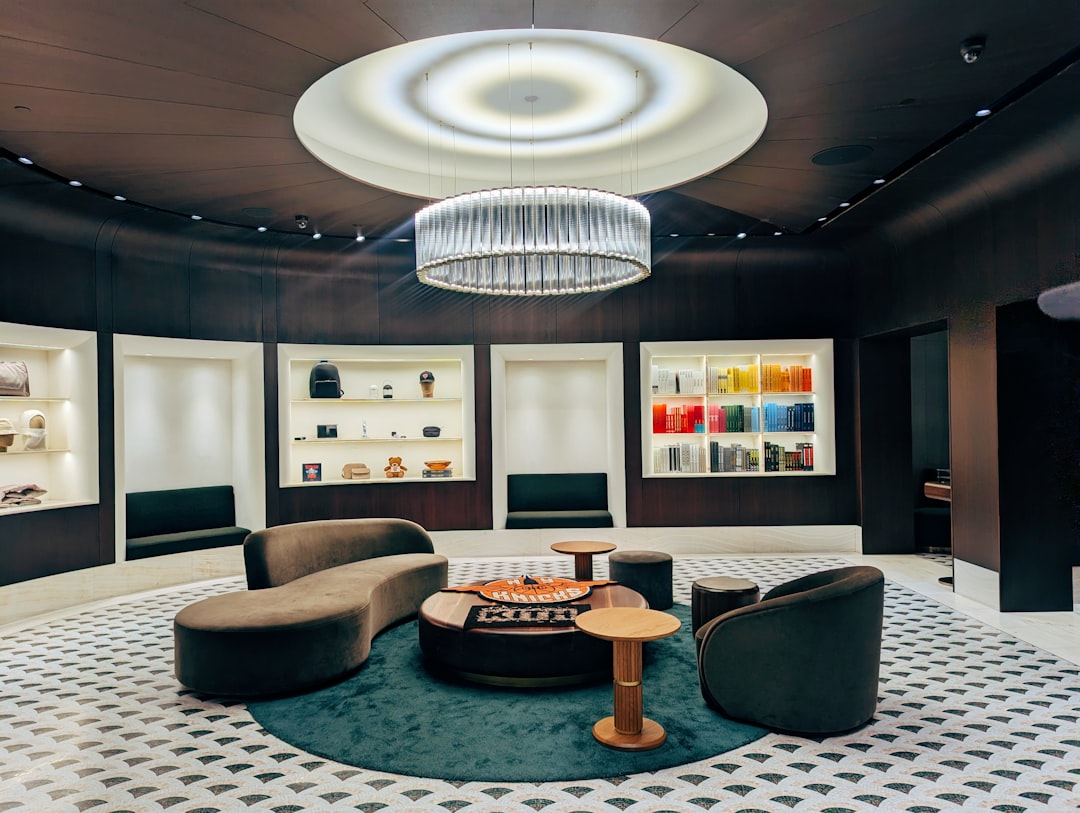
In the heart of this transformation lies technology. Augmented reality (AR) and virtual reality (VR) are no longer just buzzwords; they are becoming integral to the luxury experience. Imagine stepping into a hotel room and using your smartphone to visualize the layout of your suite before even checking in. This is the future that luxury brands are racing to deliver. In cities like Paris and Dubai, high-end hotels are incorporating these technologies, allowing customers to customize their stays in ways previously unimaginable.
Take the Ritz-Carlton in Dubai, for instance. The hotel has launched an app that not only allows guests to book their rooms but also provides a virtual tour of the amenities. This personalized interaction not only enhances the guest’s experience but also fosters a deeper connection between the brand and its customers.
This is the future that luxury brands are racing to deliver.
However, the integration of technology in luxury hospitality is not without its challenges. The balance between high-touch service and the digital experience is delicate. Many luxury brands fear that over-reliance on technology could alienate their clientele. After all, the essence of luxury has traditionally been rooted in personal service and attention to detail.
Yet, as the market evolves, brands are finding innovative ways to merge the two. The Four Seasons, for example, has trained its staff to use technology as a tool rather than a replacement for human interaction. Their approach emphasizes that technology should serve to enhance the guest experience, not detract from it.
Moreover, sustainability is another crucial theme shaping the luxury goods market. Consumers today are more conscious of their environmental impact than ever before. The hospitality sector is responding with eco-friendly initiatives that resonate with the values of younger generations. High-end hotels are implementing green practices, from sourcing local organic produce to reducing plastic waste, creating a luxury experience that is not only lavish but also responsible.
As we look towards the future, the intersection of technology and sustainability will likely define the next chapter of luxury goods in hospitality. With the rise of digital nomadism and remote work, luxury hotels are beginning to offer tailored packages that cater to this new lifestyle. Picture this: a luxury hotel that provides not only a serene environment for leisure but also state-of-the-art workspaces, ensuring that guests can seamlessly blend work and pleasure.
 Government & Policy
Unison Leader Calls for Equal Focus on Public Sector Jobs
She raised job cuts across local government, the NHS and education and urged investment in clean energy and public services.
Read More →In this brave new world, the hospitality industry must remain agile, ready to adapt to the ever-shifting expectations of its clientele. Brands that embrace innovation while staying true to their core values will undoubtedly thrive. The luxury goods market is not just about opulence; it’s about crafting narratives that resonate, building connections that last, and delivering experiences that leave a lasting impression.
As we look towards the future, the intersection of technology and sustainability will likely define the next chapter of luxury goods in hospitality.
As the landscape continues to evolve, one thing is clear: the future of luxury hospitality is not merely about luxury; it’s about creating meaningful experiences that align with the desires and values of a new generation. The question remains: will your brand be ready to lead the charge into this new era?
Written by Career Ahead AI. AI can make mistakes, so verify key facts. Report errors to support@careeraheadonline.com.