Hyderabad, India — The dawn of a new era in education is upon us. As the world of work continues to evolve at breakneck speed, a silent revolution is taking place in classrooms across the globe. The question is not just what students will learn, but how they will prepare for jobs that don’t even exist yet. Enter Generative AI (Gen AI), a technology poised to redefine not only industries but also the very fabric of education.
With the rise of automation and artificial intelligence, traditional career paths are rapidly changing. According to the World Economic Forum, 85 million jobs may be displaced by 2025 due to the shift in labor between humans and machines, but at the same time, 97 million new roles could emerge that are more suited to the new division of labor between humans, machines, and algorithms. This duality challenges educators to rethink curricula and teaching methodologies.

In a recent initiative launched in Hyderabad, educators are embracing Gen AI to create dynamic learning environments that foster creativity, critical thinking, and adaptability. Schools are no longer just places to memorize facts; they are now incubators for innovation, where students are encouraged to explore, experiment, and collaborate. For instance, a local high school has implemented a project-based learning curriculum that integrates AI tools, allowing students to solve real-world problems and prepare for the complexities of the future job market.
“We are teaching our students not just to use technology but to understand it,” says Dr. Anjali Rao, head of the initiative. “They need to learn how to think critically about the tools they will use in their careers. It’s about equipping them with the right mindset and skills to thrive in an unpredictable world.”
For instance, a local high school has implemented a project-based learning curriculum that integrates AI tools, allowing students to solve real-world problems and prepare for the complexities of the future job market.
But while Gen AI offers a plethora of opportunities, it also presents challenges. Critics worry that an over-reliance on AI could stifle creativity and critical thinking, leading to a generation of workers who are adept at using technology but lack the human touch essential in many fields. The balance between technological proficiency and human skills is delicate, and educators must walk this tightrope carefully.
 AI & Technology
Universities Face Calls to Prepare Students for Creator-Economy Jobs
The creator economy spans entertainment, education, advertising, gaming, e-commerce, media and technology, with work built through collaboration.
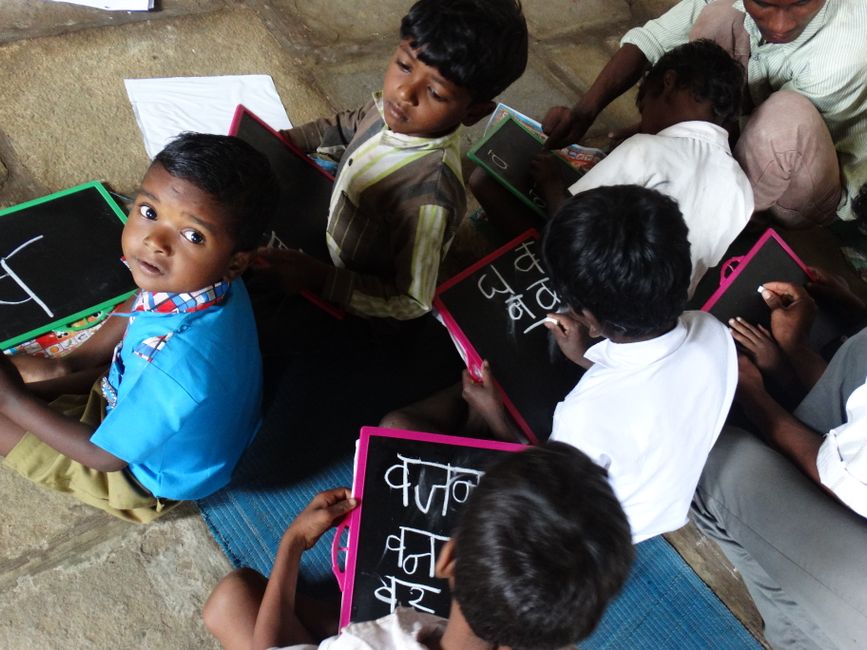
Read More →Moreover, there’s the question of equity. As schools in affluent areas adopt cutting-edge technologies, those in underprivileged regions risk being left behind. This disparity could widen the skills gap, creating a workforce that is not only unprepared for the future but also divided. It’s a critical issue that demands attention from policymakers and educators alike.
As we look ahead, the landscape of work will continue to shift, influenced by advancements in technology and changing societal needs. Students must be prepared not only to adapt but also to innovate. This requires a commitment to lifelong learning, where individuals continuously upgrade their skills to remain relevant in an ever-changing environment.
In the words of author and futurist Alvin Toffler, “The illiterate of the 21st century will not be those who cannot read and write, but those who cannot learn, unlearn, and relearn.” This mantra must resonate in educational institutions worldwide. The future belongs to those who are willing to embrace change, to pivot when faced with new challenges, and to harness the power of technology for the greater good.
This disparity could widen the skills gap, creating a workforce that is not only unprepared for the future but also divided.
As Gen AI continues to shape the future of work, it is imperative that we prepare students not just for the jobs of today, but for the jobs of tomorrow. The ability to navigate uncertainty, to think critically, and to innovate will be the hallmarks of successful careers in the coming decades. By fostering these skills now, we are not just preparing students for the workforce; we are empowering them to become the architects of their own futures.
Written by Career Ahead AI. AI can make mistakes, so verify key facts. Report errors to support@careeraheadonline.com.