No products in the cart.

NEET Re-Exam Security Measures Challenge Aspirants
India's NEET re-exam, prompted by a paper leak scandal, highlights the urgent need for reforms in examination integrity. With over 2 million students affected, the implications for future medical admissions and educational governance are significant.

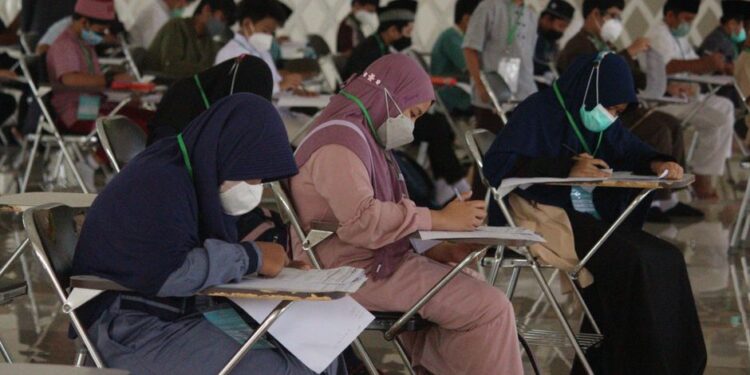
India’s NEET re-exam took place on June 21, 2026, under tight security measures following a significant paper leak scandal. Over 2.2 million aspiring medical students participated in this crucial examination, which serves as the gateway to India’s medical colleges. The National Testing Agency (NTA) implemented a multi-layered security framework to ensure the integrity of the exam, deploying more than 200,000 officials, including police, and introducing advanced technologies such as biometric authentication and AI-enabled surveillance.
The NEET exam is not just a test; it represents the hopes of countless students vying for a limited number of medical seats. The recent scandal, which involved the cancellation of the previous exam due to leaked questions, has resulted in widespread outrage among students and parents alike. This situation has intensified calls for accountability and reform within the education system, as many view the integrity of the examination process as being compromised.
Impacts of Enhanced Security Measures on Exam Integrity
The introduction of stringent security measures aims to restore trust in the examination process. The NTA has reported the implementation of biometric systems and AI-driven surveillance to monitor exam centers closely. These technologies are designed to deter cheating and ensure that only eligible candidates can take the exam. However, the effectiveness of such measures remains a topic of debate among students and educators.
Career Ahead’s analysis indicates that while these measures may reduce instances of cheating, they also raise concerns about privacy and the overall student experience during examinations. Many students have expressed anxiety over the invasive nature of biometric checks and surveillance, which they feel adds unnecessary pressure. This reaction highlights a potential disconnect between the authorities’ intentions and the students’ perceptions of fairness and safety.
Furthermore, the NTA’s decision to restrict the use of messaging apps like Telegram during the exam is aimed at preventing the sharing of leaked questions. However, some experts argue that such bans may only shift the problem to other platforms rather than solving the underlying issues of exam integrity. This ongoing struggle to balance security and student rights could shape future policies in educational governance.
As the NEET re-exam unfolds, it serves as a critical case study for other examinations in India and beyond. The outcomes of this event may influence how educational institutions approach security in assessments moving forward. If successful, it could lead to a broader adoption of similar measures across various exams, potentially transforming the landscape of educational assessments.
This ongoing struggle to balance security and student rights could shape future policies in educational governance.
Youth Protests and Their Influence on Education Policy Changes
The NEET scandal has sparked significant youth protests across India, reflecting a growing frustration among students regarding the current educational system. Demonstrations have called for the resignation of Education Minister Dharmendra Pradhan, highlighting the demand for accountability at the highest levels. This wave of activism underscores the critical role that young people play in shaping educational policies.
Career Ahead research finds that these protests are not just reactions to a single incident but are part of a larger movement advocating for systemic reforms in India’s education sector. Students are increasingly vocal about their dissatisfaction with the examination process, which they view as flawed and susceptible to corruption. This activism could lead to substantial changes in how examinations are conducted, with a focus on transparency and fairness.
Moreover, the involvement of social media in organizing these protests has amplified their reach and impact. Platforms like Twitter and Instagram have become crucial tools for mobilizing support and spreading awareness about the issues at hand. This trend indicates a shift in how young people engage with political and educational issues, leveraging digital platforms to foster community and drive change.

As the government responds to these protests, it may be compelled to reconsider its approach to educational governance. The potential for policy changes in response to public outcry could pave the way for reforms that better align with the needs and expectations of students. This evolving landscape suggests that the future of education in India may be increasingly shaped by the voices of its youth.
In light of the current events, the NEET re-exam serves as a critical juncture for both students and policymakers. The outcomes of this examination and the subsequent responses to the protests will likely influence the trajectory of educational reforms in India.
Future Implications of the NEET Leak Scandal
The NEET re-exam and the surrounding controversy have highlighted the urgent need for reforms in examination integrity and educational governance in India. As the dust settles from the re-examination, it is essential to consider the long-term implications for future medical admissions and the broader educational landscape.
Career Ahead’s analysis suggests that the fallout from the NEET leak scandal could lead to increased scrutiny of examination processes across the country. Educational institutions may adopt stricter regulations and oversight mechanisms to prevent similar incidents from occurring in the future. This shift could result in a more transparent and accountable system, ultimately benefiting students and restoring confidence in the assessment process.
Additionally, the NEET scandal may prompt discussions around the need for alternative assessment methods that reduce the pressure on students while maintaining high standards. Innovations such as continuous assessment or competency-based evaluations could be explored as viable options for future medical admissions.
Future Implications of the NEET Leak Scandal The NEET re-exam and the surrounding controversy have highlighted the urgent need for reforms in examination integrity and educational governance in India.
The role of technology in education is also likely to evolve as institutions seek to enhance security and integrity in examinations. The integration of advanced technologies, such as blockchain for secure record-keeping or AI for monitoring, may become more prevalent in response to the challenges highlighted by the NEET scandal.
As stakeholders in the education sector navigate these changes, the lessons learned from the NEET re-exam will be crucial in shaping the future of medical education in India. The ongoing dialogue between students, educators, and policymakers will determine how effectively the system can adapt to meet the needs of a new generation of learners.
Frequently Asked Questions
What should medical students do to prepare for the NEET re-exam?
Medical students preparing for the NEET re-exam should focus on reviewing the syllabus thoroughly and practicing past papers to familiarize themselves with the exam format. Additionally, they should stay updated on any changes in exam protocols and security measures implemented by the NTA.
How will the NEET re-exam affect future medical admissions?
The NEET re-exam is likely to impact future medical admissions by reinforcing the need for improved examination integrity. If successful, it may lead to the implementation of stricter regulations and more transparent processes in future admissions, benefiting aspiring medical students.

What reforms are being proposed in response to the NEET leak scandal?
In response to the NEET leak scandal, several reforms are being proposed, including enhanced security measures, stricter oversight of examination processes, and the exploration of alternative assessment methods to reduce pressure on students while maintaining high standards.
Sources: Bbc, Newsable, Timesofindia.
Written by Career Ahead AI. AI can make mistakes, so verify key facts. Report errors to support@careeraheadonline.com.