No products in the cart.

NEET Retest Approved Amid Supreme Court Hearing Denial

The Supreme Court's decision to allow the NEET-UG retest on June 21, 2026, has significant implications for medical students across India, necessitating urgent adjustments in their preparation strategies.

India — The Supreme Court has ruled that the NEET-UG retest will proceed as scheduled on June 21, 2026. This decision comes after the court declined to grant an urgent hearing on a Public Interest Litigation (PIL) challenging the National Testing Agency’s (NTA) cancellation of the initial May 3 exam. With this ruling, approximately 22 lakh candidates will face a second round of testing under tight timelines.
The Supreme Court’s refusal to intervene clears the way for the re-examination, which has significant implications for medical students across the country. The NTA is implementing robust measures to ensure the integrity of the examination process, including enhanced security protocols and logistical support. This ruling not only affects the immediate preparation of students but also has broader implications for the medical admissions landscape in India.
Impact on Medical Aspirants
The Supreme Court’s decision to allow the NEET retest has left many medical aspirants scrambling to adjust their study plans. With just days left until the exam, students must quickly devise effective strategies to maximize their preparation. Experts recommend focusing on high-yield topics and efficient time management to make the most of the limited time available.
Students are advised to prioritize their study material based on the NEET syllabus. Key subjects such as Biology, Chemistry, and Physics should be reviewed intensively, with an emphasis on understanding core concepts and practicing previous years’ question papers. This approach can help candidates identify patterns and types of questions that frequently appear in the exam.
Moreover, the NTA has announced that the duration of the NEET exam will be extended by 15 minutes, providing candidates with a total of 195 minutes to complete the test. This adjustment is intended to alleviate some pressure on students, allowing them to manage their time more effectively during the examination. However, this also means that students need to practice under timed conditions to adapt to the new format.
This adjustment is intended to alleviate some pressure on students, allowing them to manage their time more effectively during the examination.
Additionally, the NTA has implemented advanced security measures for the upcoming exam, including biometric authentication and AI-powered surveillance systems. These enhancements aim to prevent any potential malpractice, ensuring a fair testing environment. As a result, candidates must also familiarize themselves with the new procedures to avoid any last-minute complications on exam day. The court’s decision has sparked significant debate among students and educators alike, emphasizing the need for clarity and fairness in the examination process.
You may also like
 Education & University Insights
NYC Leaders Push for School Integration Amid Segregation
New York City's school system remains one of the most segregated in the U.S. City leaders are now pushing for integration, but advocates emphasize the…
Read More →Concerns Over Student Well-Being
The Supreme Court’s ruling has raised concerns about the mental health of students, who are already under immense pressure. The uncertainty surrounding the exam and subsequent admissions process has led to increased anxiety among candidates. Students are urged to seek support from peers and mentors during this challenging time, as they navigate the complexities of last-minute preparations.
Many students are feeling overwhelmed by the compressed timeline and the stakes involved in the retest. The pressure to perform well in the NEET retest, combined with the shifting timelines for admissions, underscores the need for resilience and adaptability among candidates. Mental health professionals recommend that students engage in stress-relief activities and maintain a balanced study schedule to cope with the demands of their preparation.
Changes in Medical College Admissions Timeline
The Supreme Court’s ruling not only affects the NEET retest but also has significant implications for the admissions timeline of medical colleges across India. The delay caused by the cancellation of the May exam has resulted in a compressed admissions schedule, which may lead to further complications in the academic calendar for medical institutions.
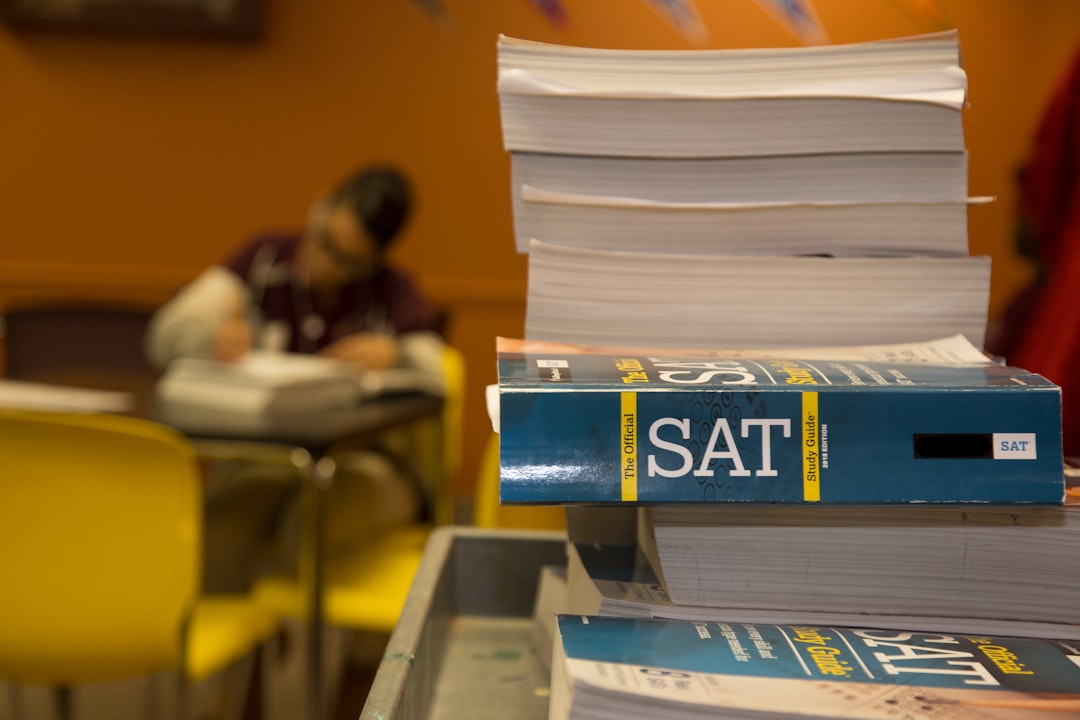
Research indicates that the rescheduling of the NEET exam will likely push back the entire admissions process for medical colleges. Institutions may need to adjust their timelines for conducting counseling sessions and finalizing admissions, which could affect students’ academic plans. This uncertainty adds another layer of stress for students already facing the pressures of retesting.
Furthermore, many medical colleges are now under increased pressure to ensure that their admissions processes remain transparent and fair. The NTA’s commitment to preventing malpractice in the NEET examination is crucial for maintaining the integrity of the admissions process. As a result, colleges may need to implement additional verification measures to ensure that candidates meet the required standards.
The NEET retest presents an opportunity for students to demonstrate their knowledge and skills, but it also requires them to manage their time and resources effectively in a high-pressure environment.

Preparing for the NEET Retest
You may also like
 Education & University Insights
UP ITI Admission Opens Fifth Phase Applications
The fifth phase of UP ITI admissions for the 2026-27 training session will start on October 6, 2026, and will remain open until midnight on…
Read More →With the exam just days away, candidates must remain focused and adaptable. The NEET retest presents an opportunity for students to demonstrate their knowledge and skills, but it also requires them to manage their time and resources effectively in a high-pressure environment. As the June 21 NEET retest approaches, medical aspirants must brace themselves for the challenges ahead.
Students are encouraged to utilize various study resources, including NCERT textbooks and online platforms that offer mock tests and practice papers. Creating a structured study schedule that allocates specific hours for each subject can help candidates manage their time effectively. Prioritizing high-yield topics and incorporating regular breaks will also aid in maintaining focus and preventing burnout.
In conclusion, the Supreme Court’s decision to allow the NEET retest has significant implications for medical aspirants across India. As they prepare for this critical examination, students must navigate the challenges of a compressed timeline while ensuring their mental well-being. Staying informed about updates regarding the admissions process will be vital for students as they strive to enter the medical field.
Frequently Asked Questions
What are the best study resources for NEET retest?
Experts recommend focusing on NCERT textbooks, as they cover the essential topics in the NEET syllabus. Additionally, using online platforms that offer mock tests and practice papers can help students familiarize themselves with the exam format.
If a candidate misses the NEET retest, they may need to explore alternative pathways, such as taking a gap year to improve their preparation or considering other medical entrance exams that may be available in the future.
How can I manage my time effectively for the NEET retest preparation?
To manage time effectively, create a study schedule that allocates specific hours for each subject. Prioritize high-yield topics and incorporate regular breaks to maintain focus and prevent burnout.

What should aspiring doctors do if they miss the NEET retest?
You may also like
 Education & University Insights
Students Can Access Free Gemini AI and Photoshop in India
Google has launched an offer for university students, providing them with free one-year access to Gemini AI. This includes 400GB of cloud storage and various…
Read More →If a candidate misses the NEET retest, they may need to explore alternative pathways, such as taking a gap year to improve their preparation or considering other medical entrance exams that may be available in the future.