No products in the cart.

Nepal’s Hydropower Risks Exposed
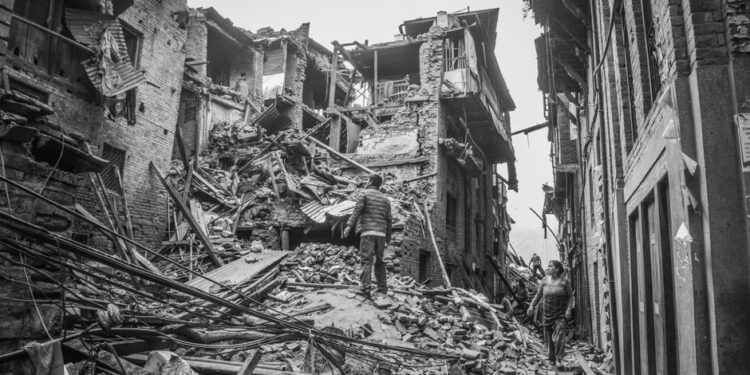
The catastrophic flooding in August 2026 has raised urgent questions about the sustainability of Nepal's hydropower projects, which provide nearly 90% of the country's electricity. This disaster has highlighted the need for improved disaster preparedness and resilience in energy infrastructure, as the nation grapples with the impacts of climate change.

Nepal faced catastrophic flooding in August 2026, resulting in significant damage to its hydropower infrastructure. This disaster has raised alarms about the sustainability of hydropower projects in a region already vulnerable to natural hazards. The floods have led to a substantial loss of power-generating capacity, prompting a critical reassessment of Nepal’s ambitious renewable energy goals.
The recent floods, described as one of the worst in Nepal’s history, have resulted in widespread destruction across the country. According to reports, the floods have caused extensive damage to roads, homes, and energy infrastructure, leaving thousands without power. As Nepal aims to expand its hydropower capacity to meet growing energy demands, this disaster has sparked urgent discussions about the viability and risks associated with such projects.
Impact on Hydropower Capacity in Nepal
The flooding has severely affected hydropower generation, which is a cornerstone of Nepal’s energy strategy. Prior to the floods, hydropower accounted for nearly 90% of the country’s electricity production. However, damages from the flooding have led to a drastic reduction in output, with estimates suggesting a loss of over 1,000 megawatts of capacity. This loss not only hampers daily energy needs but also jeopardizes long-term energy security.
Career Ahead’s analysis indicates that the disruption in hydropower generation could lead to rolling blackouts and increased energy prices. The government may be forced to rely on imported energy during peak demand seasons, which could strain its economy further. This situation highlights the fragility of relying heavily on a single energy source, especially in a region prone to natural disasters. As noted by a report from The New York Times, the catastrophic flooding has exposed the vulnerabilities inherent in Nepal’s ambitious hydropower expansion plans, raising questions about the long-term viability of such projects in the face of climate change and natural disasters.
Furthermore, the floods have raised questions about the future of ongoing and planned hydropower projects. As investors and stakeholders evaluate the risks, there is a growing concern that funding for new projects may dwindle. The catastrophic events could deter potential investors who are wary of the financial implications of investing in vulnerable infrastructure. The Conversation highlights that the floods serve as a stark reminder of the need for comprehensive disaster preparedness strategies, which have been largely overlooked in the rush to expand hydropower capacity.
This involves integrating disaster risk assessments into project planning and construction, ensuring that future developments can withstand similar events.
You may also like
 News
NewsVedanta and Wipro See Surge in Retail Investors in Q1FY27
This trend is important. It highlights how retail investors are participating more in major stocks. Their actions may influence stock performance and volatility.
Read More →In light of these challenges, renewable energy engineers and hydropower project managers must develop strategies to enhance the resilience of hydropower systems. This involves integrating disaster risk assessments into project planning and construction, ensuring that future developments can withstand similar events. The need for innovative engineering solutions that prioritize resilience and sustainability has never been more pressing, as the impacts of climate change continue to manifest in increasingly severe weather patterns.
Increased Scrutiny on Renewable Energy Projects
The recent flooding has placed hydropower projects under increased scrutiny from both the public and regulatory bodies. Critics argue that the government has prioritized rapid expansion of hydropower without adequately addressing environmental and safety concerns. This disaster serves as a wake-up call, prompting calls for more stringent regulations and oversight in the development of energy projects. The Scientific American points out that the cascading hazards resulting from the floods have exposed the interconnectedness of environmental and infrastructural vulnerabilities, necessitating a more holistic approach to energy planning.
Career Ahead research finds that the floods have ignited a debate about the balance between energy needs and environmental sustainability. As the government seeks to rebuild and recover, there is an opportunity to reassess energy policies to ensure that future projects are not only economically viable but also environmentally sound. This includes considering alternative energy sources and diversifying the energy mix to reduce dependence on hydropower. The public’s growing awareness of these issues has led to increased demands for transparency and accountability from energy developers, as communities affected by the floods seek assurances that future projects will incorporate disaster preparedness measures.
Moreover, public sentiment is shifting as communities affected by the floods demand accountability from energy developers. There is a growing expectation that renewable energy projects should incorporate disaster preparedness measures and community engagement in their planning processes. This shift could reshape how hydropower projects are developed and managed in the future. As scrutiny increases, hydropower project managers will need to navigate a complex landscape of regulatory requirements and public expectations. This may involve adopting innovative technologies and practices that enhance the resilience and sustainability of hydropower systems.
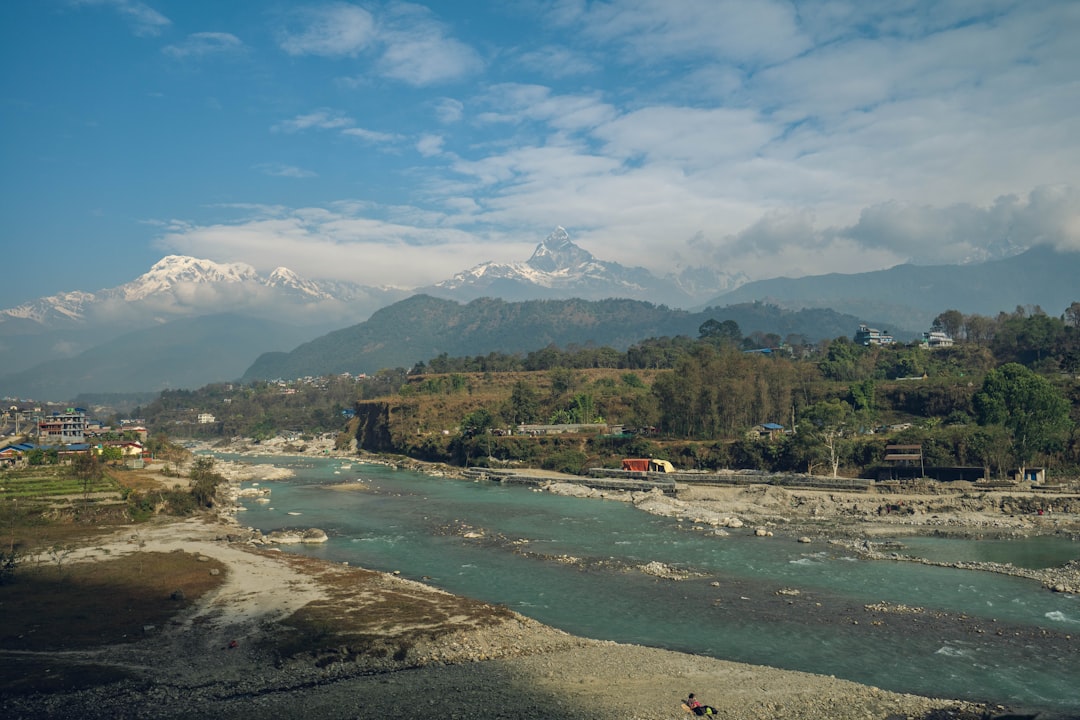
Engineers and project managers must prioritize risk management in their planning processes to safeguard against future disasters.
In the wake of the floods, the need for disaster resilience in energy infrastructure has never been more urgent. Engineers and project managers must prioritize risk management in their planning processes to safeguard against future disasters. The emphasis on building back better could lead to a transformative approach in how Nepal develops its energy infrastructure, ensuring that it is equipped to handle the challenges posed by climate change and natural disasters.
The catastrophic flooding has underscored the necessity for a comprehensive approach to disaster risk management in Nepal’s energy sector. As the country grapples with the immediate aftermath of the floods, the focus must shift towards building a more resilient energy infrastructure that can withstand the impacts of climate change.
You may also like
 News
NewsWalmart to Pay $50 Million to Settle Opioid Lawsuit, US Says
Walmart has agreed to pay $50 million to settle claims that its pharmacies filled suspicious opioid prescriptions, highlighting the need for improved compliance measures in…
Read More →Career Ahead analysis identifies that integrating disaster risk management into energy planning is essential for the future of hydropower in Nepal. This includes conducting thorough risk assessments, investing in resilient technologies, and fostering collaboration between government agencies, private developers, and local communities. By adopting a proactive approach to disaster preparedness, Nepal can better protect its energy infrastructure and ensure reliable power supply in the face of natural hazards.
Looking ahead, the recovery process presents both challenges and opportunities for Nepal’s energy sector. As the government seeks to rebuild, there is potential for innovation in renewable energy technologies and practices. This could lead to the development of more sustainable and resilient energy solutions that not only meet the country’s needs but also address environmental concerns. The question remains: will Nepal seize this opportunity to transform its energy landscape, or will it continue down a path that prioritizes rapid expansion over sustainability? The decisions made in the coming months will have lasting implications for the future of hydropower and renewable energy in the region.
Frequently Asked Questions
What are the implications of the flood for renewable energy engineers?
The recent floods have highlighted the urgent need for renewable energy engineers in Nepal to integrate disaster risk management into their projects. Engineers must focus on developing resilient infrastructure that can withstand future natural disasters.
The recent floods have highlighted the urgent need for renewable energy engineers in Nepal to integrate disaster risk management into their projects.
How can hydropower project managers mitigate risks from natural disasters?
Hydropower project managers can mitigate risks by conducting thorough risk assessments and implementing disaster preparedness measures in their planning processes. Collaboration with local communities and government agencies is also critical for enhancing resilience.
What should renewable energy engineers do about the recent flood’s impact on hydropower?
Renewable energy engineers should prioritize resilience in their designs and consider alternative energy sources to diversify the energy mix. Engaging with stakeholders to address environmental and safety concerns will be essential for future projects.
You may also like
 News
NewsLondon Science Museum cuts links with BP after decades of partnership | Career Outlook
The London Science Museum has announced the end of its decades-long partnership with BP, a decision that reflects a growing trend among cultural institutions to…
Read More →