No products in the cart.

Netflix and BBC Battle for British Viewers’ Loyalty

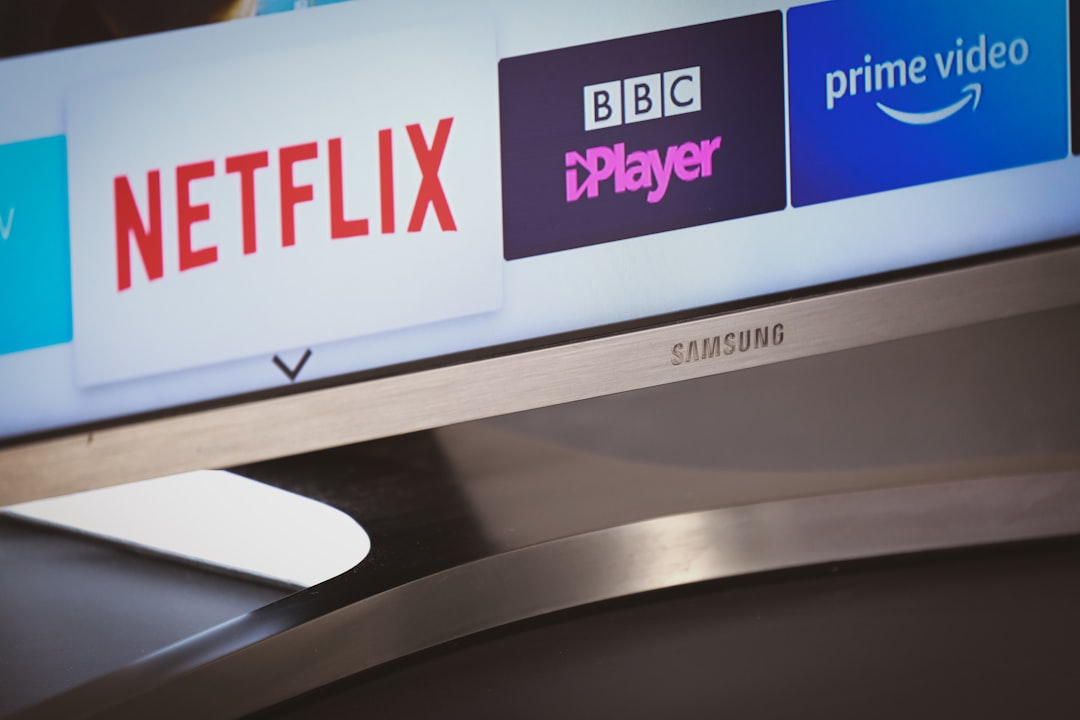
UK — Netflix and the BBC are in a tight race for British viewers, with recent data showing both services are the go-to options for a significant portion of the audience.

UK — Netflix and the BBC are in a tight race for British viewers, with recent data showing both services are the go-to options for a significant portion of the audience. According to Ofcom’s report, Netflix is the first choice for 26% of viewers, while the BBC follows closely with 25%. This competition underscores a notable shift in media consumption trends among British audiences.
The landscape of television viewing is evolving. Traditional broadcasters like the BBC are facing challenges as streaming services gain traction. The popularity of Netflix’s shows, such as the crime drama Adolescence and the fantasy series Kpop Demon Hunters, has helped solidify its position. Adolescence attracted an audience of 16 million, while Kpop Demon Hunters reached over 24 million viewers, showcasing Netflix’s ability to produce engaging content that resonates with audiences. Furthermore, the success of these shows has not only contributed to Netflix’s viewership but has also sparked conversations about the changing dynamics of storytelling in the digital age.
Changing Viewer Preferences and Content Strategies
As streaming platforms expand their reach, they are reshaping how content creators approach their projects. The success of Netflix’s original programming has prompted the BBC to reassess its content strategy. Kate Davies, Ofcom’s group director for strategy and research, noted that traditional broadcasters are adapting to changing audience habits. This includes a renewed focus on live and event programming, which has proven popular among viewers. For instance, the BBC’s recent hit The Traitors has garnered significant attention, indicating a strategic pivot to capture the attention of viewers who might otherwise turn to streaming platforms.
Moreover, the competition has led to a greater emphasis on high-quality productions. As Netflix continues to produce hits that attract viewers, the BBC is compelled to elevate its own content quality to remain competitive. This shift is evident in the BBC’s investment in high-profile dramas and documentaries that not only entertain but also provoke thought and discussion among audiences. The recent successes with shows like The Night Manager further illustrate this point, as they reflect a strategic pivot towards more engaging narratives that resonate with contemporary viewers.
The success of Netflix’s original programming has prompted the BBC to reassess its content strategy.
You may also like
 Industry & Global Trends
Triyoga’s Crisis: Unpaid Instructors, Financial Struggles
Triyoga, once a favorite among celebrities and fitness enthusiasts, faced significant financial challenges leading to its downfall. Instructors reported that they had not received their…
Read More →Furthermore, Ofcom’s data reveals that while streaming growth has slowed, Netflix continues to produce hits that attract viewers. The competition is not just about numbers; it also reflects a deeper understanding of audience preferences. The BBC’s recent successes with shows like The Traitors and The Night Manager indicate a strategic pivot to capture the attention of viewers who might otherwise turn to streaming platforms. This dynamic has prompted traditional broadcasters to innovate and explore new genres and formats that appeal to a wider audience base.
Career Ahead’s analysis shows that content creators must now consider the implications of this shift. With audiences gravitating towards streaming services, there is an increasing demand for high-quality, engaging content that can compete with the likes of Netflix. This means that creators need to innovate and adapt their storytelling techniques to meet the expectations of a more discerning audience. Additionally, the rise of platforms like YouTube, which has doubled its viewership on TV sets, adds another layer of complexity. Young audiences are increasingly drawn to alternative forms of entertainment, such as social media and gaming, leading to a decline in traditional TV viewing. This trend highlights the need for content creators to diversify their offerings and explore new formats that resonate with a younger demographic.
Implications for Media Analysts and Content Creators
The ongoing rivalry between Netflix and the BBC carries significant implications for media analysts and content creators. As traditional broadcasters adapt to the challenges posed by streaming services, analysts must assess the impact of these changes on the broader media landscape. This requires a nuanced understanding of viewer preferences and consumption patterns. For instance, analysts are now tasked with evaluating how shifts in audience behavior influence advertising strategies and revenue models for both streaming services and traditional broadcasters.
As Netflix continues to invest heavily in original programming, creators must find ways to differentiate their work and capture the attention of audiences.
For content creators, the competition presents both challenges and opportunities. The need to produce high-quality content that can stand out in a crowded market is more critical than ever. As Netflix continues to invest heavily in original programming, creators must find ways to differentiate their work and capture the attention of audiences. This may involve exploring niche genres, collaborating with innovative talent, or leveraging data analytics to inform content decisions. Notably, the success of Netflix’s Adolescence and the BBC’s The Traitors exemplifies how compelling storytelling can drive viewership and engagement.
You may also like
 Industry & Global Trends
What is happening to the Indian IT bench? | Explained | Career Outlook
India's IT sector is undergoing significant changes in its bench policies, impacting job security and project allocation for IT professionals. Major firms are tightening their…
Read More →Moreover, the shift in viewer preferences emphasizes the importance of audience engagement. Content creators should focus on building strong connections with their audiences through interactive storytelling and community involvement. By fostering a sense of belonging among viewers, creators can enhance loyalty and ensure their projects resonate with the target demographic. This approach is particularly vital in an era where audiences have more choices than ever, and the competition for their attention is fierce.
As the competition between Netflix and the BBC unfolds, media analysts will need to continuously monitor audience behavior and trends. This ongoing analysis will inform strategic decisions for both broadcasters and streaming services, shaping the future of media consumption. The battle for British viewers is far from over. As both Netflix and the BBC strive to capture the hearts of audiences, the evolving landscape of media consumption will continue to present new challenges and opportunities. Content creators and analysts alike must stay attuned to these shifts to navigate the changing tides of the industry.
In conclusion, the competition between Netflix and the BBC not only reflects changing viewer preferences but also signifies a broader transformation in the media landscape. As both entities strive to innovate and adapt, the future of television in the UK will likely be characterized by a blend of traditional broadcasting and streaming services, each vying for the attention of an increasingly diverse audience.
Career Ahead research identifies that content creators should focus on producing high-quality, engaging programming that resonates with audiences.
Frequently Asked Questions
What content strategies should content creators adopt in response to Netflix’s rise?
Career Ahead research identifies that content creators should focus on producing high-quality, engaging programming that resonates with audiences. This includes exploring niche genres and leveraging data analytics to inform their storytelling techniques.
How can media analysts assess the impact of streaming on traditional broadcasting?
Media analysts can assess the impact by monitoring audience behavior and consumption patterns. This involves analyzing viewership data from both streaming services and traditional broadcasters to identify trends and shifts in viewer preferences.
What should content creators do about the changing viewer preferences in the UK?
Content creators should adapt their strategies to meet the expectations of a more discerning audience. This includes innovating storytelling techniques and fostering audience engagement through interactive content and community involvement.
You may also like
 Industry & Global Trends
'Fuel, finance shocks hit world economy'
Neelkanth Mishra, World Bank Group Executive Director, discusses the challenges posed by rising fuel costs and tightening financial conditions on global economies, particularly India.
Read More →