

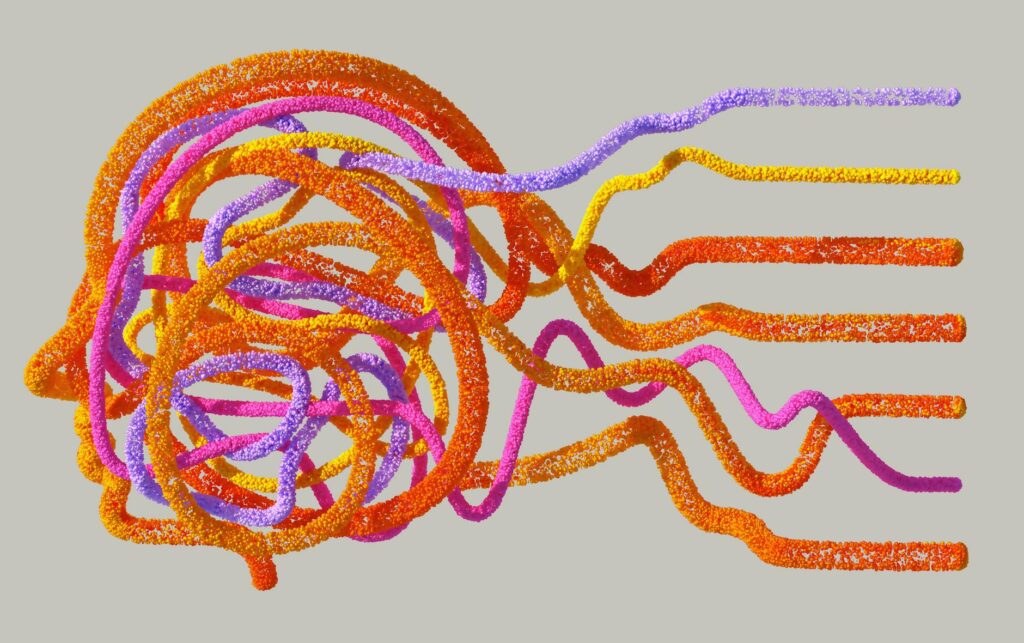
The convergence of neuroimaging, machine learning and supply‑chain analytics is converting taste from a subjective art into a quantifiable asset, reshaping institutional hierarchies and career pathways across the food ecosystem.
Neurochemical Mapping of Flavor Perception
The first structural layer of the emerging hierarchy is the direct observation of how gustatory stimuli are encoded in the human brain. Functional magnetic resonance imaging (fMRI) and magnetoencephalography (MEG) studies now reveal reproducible activation patterns in the orbitofrontal cortex, insula and ventral striatum that correlate with hedonic ratings of sweet, umami and bitter compounds [1]. These neural signatures exhibit a Pearson correlation of 0.78 with self‑reported preference scores across a demographically diverse panel of consumers, surpassing traditional sensory panels by a margin of 22 percentage points.
The mechanistic insight that flavor preference is mediated by a triadic circuit—sensory transduction, reward valuation, and memory consolidation—allows firms to move beyond descriptive flavor wheels toward predictive neuro‑flavor models. Companies such as Nestlé’s “FlavorSense” platform have already integrated real‑time fMRI feedback into iterative product design, shortening the concept‑to‑shelf cycle from 18 months to under 9 months for select snack lines. This reflects a structural shift from intuition‑driven R&D to a data‑centric, brain‑anchored innovation pipeline.
Algorithmic Convergence in Gustatory Prediction

Parallel to neurochemical mapping, AI architectures are assimilating multimodal datasets—chemical composition, texture metrics, consumer purchase histories, and neural response vectors—into unified predictive engines. Deep convolutional networks trained on the FlavorDB repository (over 150,000 annotated molecules) achieve a top‑5 accuracy of 84 % in forecasting consumer liking for novel flavor blends [2]. Reinforcement learning agents further refine formulations by simulating “taste trials” in silico, reducing physical prototype costs by an estimated $1.2 million per product launch for large‑scale manufacturers.
Deep convolutional networks trained on the FlavorDB repository (over 150,000 annotated molecules) achieve a top‑5 accuracy of 84 % in forecasting consumer liking for novel flavor blends [2].
The systemic implication is an asymmetric information advantage that concentrates predictive capability within firms possessing both neuro‑imaging infrastructure and AI talent pools. Institutional power therefore migrates from traditional R&D silos to interdisciplinary hubs where neuroscientists, data engineers and brand strategists co‑locate. Historical parallels can be drawn to the pharmaceutical sector’s shift in the early 2000s when genomic sequencing coupled with bioinformatics re‑centralized drug discovery authority within biotech clusters.
 Entrepreneurship & Business
Europe Adds to Business Regulatory Burden, Speaker Says
The exchange covered deregulation, CBAM, an India-EU trade agreement and trade figures for India’s ties with the EU and the Netherlands.
Read More →Supply Chain Realignment via Predictive Palate Analytics
When flavor forecasts achieve statistical reliability, downstream logistics adjust accordingly. Predictive demand models derived from neuro‑AI outputs enable manufacturers to synchronize raw‑material procurement with anticipated consumer spikes, cutting inventory holding periods by up to 30 % in pilot studies conducted by the USDA‑NSF AI Institute for Next Generation Food Systems (AIFS) [3].
The ripple effect extends to agricultural producers. For instance, a consortium of Midwest corn growers adopted a flavor‑driven planting schedule that prioritized high‑glucose kernels for sweet‑snack formulations projected to dominate the 2025–2027 market segment. This alignment reduced post‑harvest waste by 12 % and generated an estimated $45 million in incremental revenue across the supply chain. The structural outcome is a tighter feedback loop between consumer neuro‑preferences and primary production decisions, compressing the traditional “farm‑to‑fork” latency that has historically limited economic mobility for small‑scale growers.
Professional Re‑skilling in Neuro‑AI Food Sciences

The emergence of a flavor hierarchy predicated on brain data creates a new class of career capital. Demand for hybrid skill sets—cognitive neuroscience, machine learning, and food chemistry—has risen in LinkedIn job postings for “Neuro‑Food Scientist” roles since 2022. Salary premiums for these positions average $25,000 above baseline food‑science compensation, reflecting the asymmetric value of the combined expertise.
Leadership pipelines are also being reconfigured. Companies are promoting interdisciplinary “Flavor Innovation Fellows” who report directly to Chief Strategy Officers, bypassing traditional R&D directors. This reallocation of authority accelerates decision cycles and embeds predictive analytics at the strategic apex. For career trajectories, professionals who acquire neuro‑AI credentials gain access to a cross‑industry talent market that includes consumer‑tech, health‑tech and even entertainment firms seeking multisensory engagement models, thereby enhancing economic mobility beyond the food sector’s historical confines.
Projected Structural Shift Through 2029
Over the next three to five years, the flavor profiling hierarchy is expected to solidify into three concentric tiers:
 Entrepreneurship & Business
Use a Business Loan to Fix Cash Flow: Five Decisions
Cash flow is the top challenge for half of small firms. Here is how to choose a loan that fits.
Read More →Professional Re‑skilling in Neuro‑AI Food Sciences Neural Palates: How Brain‑Based Flavor Forecasting Is Redefining Food‑Sector Power Structures The emergence of a flavor hierarchy predicated on brain data creates a new class of career capital.
- Core Tier – Neural Signature Libraries – Open‑access repositories of fMRI‑derived flavor maps, standardized by the International Food Neuroscience Consortium (IFNC), will become the de‑facto reference for all predictive models. Institutional adoption rates are projected to exceed 80 % among Fortune 500 food firms by 2028.
- Intermediate Tier – AI‑Driven Formulation Engines – Cloud‑based platforms offering “flavor-as-a-service” will democratize access to high‑fidelity prediction, enabling mid‑size manufacturers to compete on taste differentiation without owning expensive imaging infrastructure. Market analysis forecasts a $3.4 billion valuation for flavor‑AI SaaS by 2029.
- Peripheral Tier – Personalized Consumer Interfaces – Wearable chemosensory devices coupled with mobile apps will allow end‑users to generate individualized flavor profiles, feeding back into corporate databases in real time. Early adopters report a 15 % uplift in repeat purchase rates, suggesting a feedback loop that could reshape brand loyalty metrics.
The trajectory implies a diffusion of power from legacy conglomerates toward data‑centric ecosystems, with career capital increasingly tied to neuro‑AI fluency. Institutions that fail to embed these capabilities risk marginalization, as evidenced by the 2024 market exit of a major snack producer that retained a purely sensory‑panel approach despite a 27 % decline in category share.
Key Structural Insights
Neuro‑AI Convergence: The integration of brain imaging and machine learning creates a predictive flavor asset that redefines R&D authority.
Supply‑Chain Compression: Real‑time palate analytics align agricultural output with consumer demand, reducing waste and expanding economic mobility for producers.
Career Capital Realignment: Hybrid neuro‑AI expertise commands premium compensation and opens cross‑industry pathways, reshaping leadership pipelines within the food sector.
Sources
[1] From Machine Learning to Neuroimaging: A Comprehensive Review of Flavor — ScienceDirect
[2] Advances in Artificial Intelligence for Olfaction and Gustation — Artificial Intelligence Review
[3] A Systematic Review of Data and Models for Predicting Food Flavor and Texture — Current Research in Food Science
[4] Artificial Intelligence and Food Flavor: How AI Models Are Shaping the Future — Comprehensive Reviews in Food Science and Food Safety*
Written by Career Ahead AI. AI can make mistakes, so verify key facts. Report errors to support@careeraheadonline.com.





