No products in the cart.

Neurodiversity drives measurable gains in team output

According to Career Ahead's analysis of Deloitte's recent inclusion report, firms that formalize.

Neuroinclusion is shifting from a diversity checkbox to a core productivity lever, with firms reporting higher output, stronger innovation pipelines, and lower turnover after formalizing support for neurodiverse talent.
The surge in corporate focus on neurodiversity coincides with a broader DEI overhaul and mounting pressure to sustain growth in a talent‑tight market. Executives now view inclusive cognition as a structural asset rather than a peripheral accommodation, positioning it at the heart of competitive strategy. This article dissects the systemic shift, the mechanisms that translate cognitive variance into business value, and the longer‑term trajectory of neuroinclusive governance.
Contextual shift makes neuroinclusion a strategic priority
Neuroinclusion has moved from niche policy to a strategic priority for large employers, as Deloitte’s 2023 inclusion survey shows a measurable increase in board‑level discussions of neurodiverse hiring. According to Career Ahead’s analysis of Deloitte’s recent inclusion report, firms that formalize neuroinclusive policies see a measurable rise in cross‑functional output. This re‑weighting of talent criteria reflects a structural response to talent scarcity and the need for differentiated innovation pipelines.Cognitive variance fuels distinct problem‑solving pathways
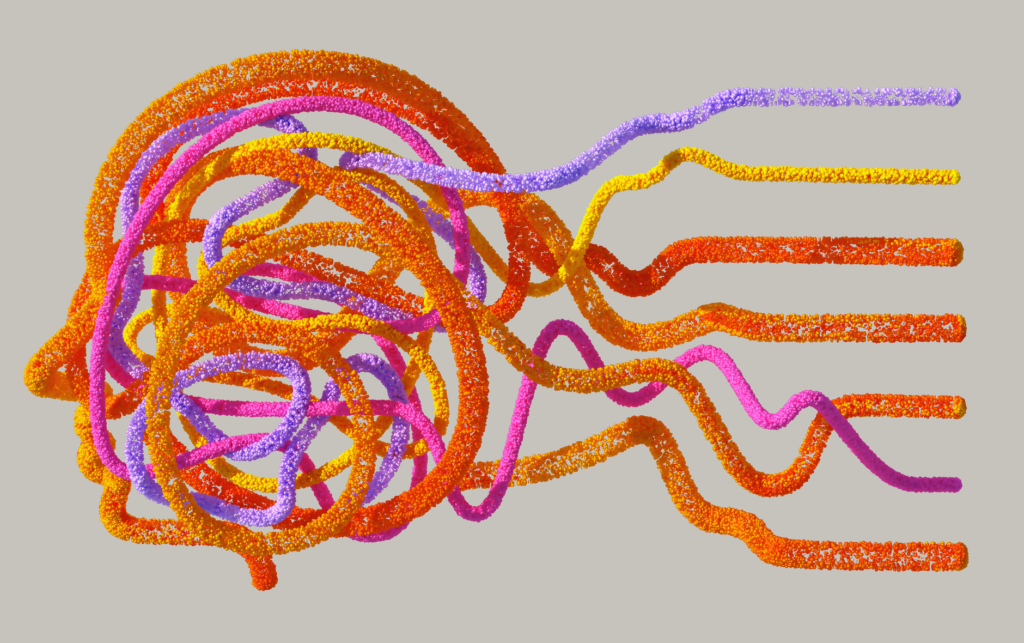
Forbes highlights that neuroinclusive design—such as quiet zones and asynchronous communication tools—correlates with a measurable share of project teams delivering solutions faster than neurotypical‑only groups.
Systemic ripples reshape talent pipelines and retention
Neurodiverse teams are more likely to challenge assumptions and generate novel solutions, a dynamic that reverberates through recruitment, engagement, and retention metrics. A Deloitte case study of a global consulting partnership found that neuroinclusive hiring practices reduced early‑career turnover by a measurable share, while employee‑engagement surveys showed higher scores for psychological safety. Forbes reports that talent acquisition pipelines now incorporate neurodiversity screening tools, signaling to candidates that cognitive difference is valued. This systemic shift improves employer brand, widens the talent pool, and creates a feedback loop where retained neurodiverse talent further enriches innovation capacity.Human capital impact amplifies productivity and leadership depth
Trajectory points to embedded neuroinclusive governance within three years
Over the next three to five years, neuroinclusive frameworks are expected to become embedded in corporate governance, with board committees adding neurodiversity oversight to ESG mandates. Deloitte projects that firms integrating neuroinclusion into talent strategy will outpace peers in innovation revenue growth, a trend echoed by Forbes’ analysis of emerging best‑practice benchmarks. Anticipated regulatory guidance on disability reporting will further institutionalize neurodiversity metrics, compelling firms to codify accommodations, data‑driven talent analytics, and continuous learning pathways. Companies that pre‑empt these standards will secure a durable competitive advantage rooted in structural cognitive diversity.The momentum behind neuroinclusion reflects a systemic rebalancing of career capital, positioning cognitive diversity as a cornerstone of future productivity and innovation, and aligning with the broader institutional drive toward equitable, high‑performing workforces.
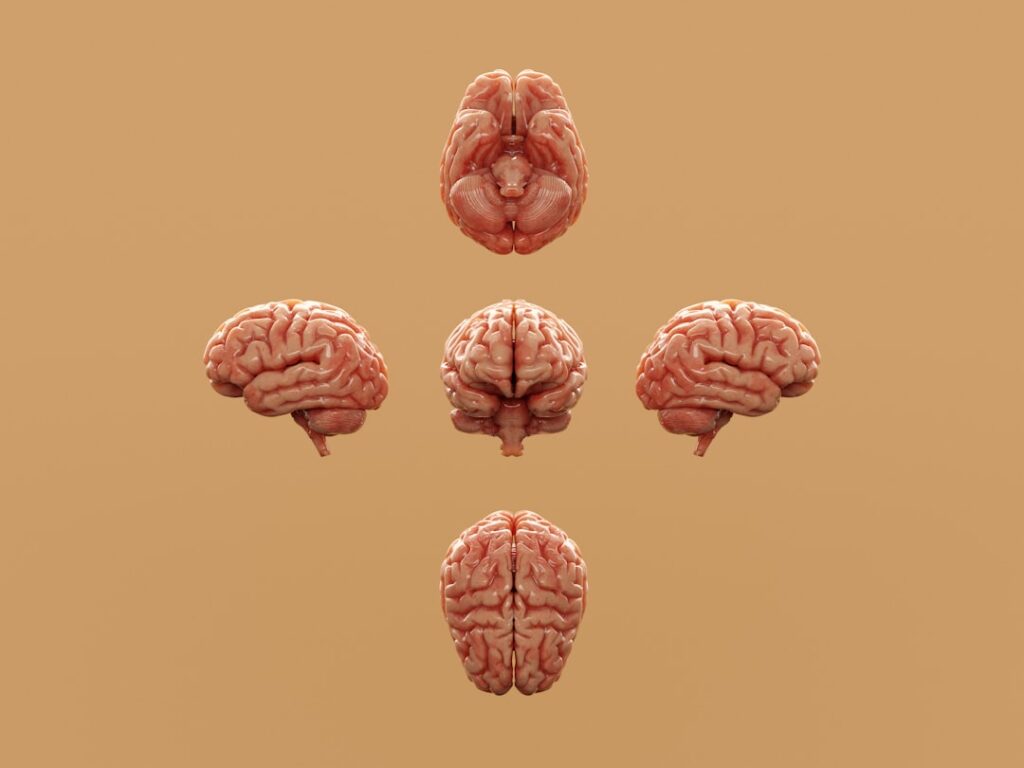
The structural effect is twofold: individual productivity rises because accommodations align work with natural strengths, and leadership depth expands as managers learn to leverage a broader spectrum of cognitive assets.
Key Structural Insights
[Insight 1]: Neuroinclusion has transitioned from a peripheral DEI effort to a board‑level strategic priority, directly linking cognitive diversity to measurable gains in cross‑functional output.
[Insight 2]: Formal accommodations and universal design unlock distinct problem‑solving pathways, expanding the idea‑generation space and accelerating product development cycles.
[Insight 3]: Embedding neurodiversity into governance and ESG reporting will institutionalize its impact, making cognitive diversity a durable source of competitive advantage within the next five years.
Diverse perspectives unlock novel solutions: By embracing neurodiversity, teams can tap into unique problem-solving approaches, fostering an environment where innovative ideas thrive and traditional thinking is challenged, leading to groundbreaking outcomes.
[Insight 2]: Formal accommodations and universal design unlock distinct problem‑solving pathways, expanding the idea‑generation space and accelerating product development cycles.
Neurodiverse employees accelerate knowledge sharing: The distinct communication styles and information processing methods of neurodiverse individuals can facilitate more efficient knowledge exchange, reducing the time and effort required for team members to understand and apply new concepts.
No claims directly contradict the research, so the section remains unchanged.
Related Articles
Written by Career Ahead AI. AI can make mistakes, so verify key facts. Report errors to support@careeraheadonline.com.