Corporate learning programs that embed brain‑rewiring science are turning adaptability into a measurable source of institutional power, accelerating economic mobility and redefining leadership pipelines.By translating neuroplasticity into systematic skill‑building, firms convert individual cognitive change into durable organizational capital.
The accelerating pace of automation, demographic turnover and employee‑driven purpose mandates a structural re‑tooling of talent development. Traditional static training models no longer align with the fluid skill demands of the digital economy, prompting executives to seek mechanisms that sustain continuous learning at scale. Neuroplasticity offers a scientifically grounded pathway to embed adaptability into the very fabric of career trajectories, positioning workforce resilience as a competitive differentiator.
Structural shift in workforce adaptability
The average tenure in a single job fell to 4.1 years in 2023, according to BLS data, underscoring a labor market where frequent role changes are the norm. This churn erodes conventional career capital, which historically accumulated through long‑term tenure and linear skill ladders. Organizations now confront a systemic need to replenish that capital on an accelerated cadence. Neuroplasticity‑informed programs provide a structural lever: they enable employees to rebuild neural pathways each time they transition, effectively compressing the time required to acquire new competencies. By institutionalising deliberate practice and feedback loops, firms convert the volatility of modern employment into a predictable pipeline of relearned expertise, reinforcing institutional power through a continuously refreshed talent pool.
Neuroplasticity as a learning engine
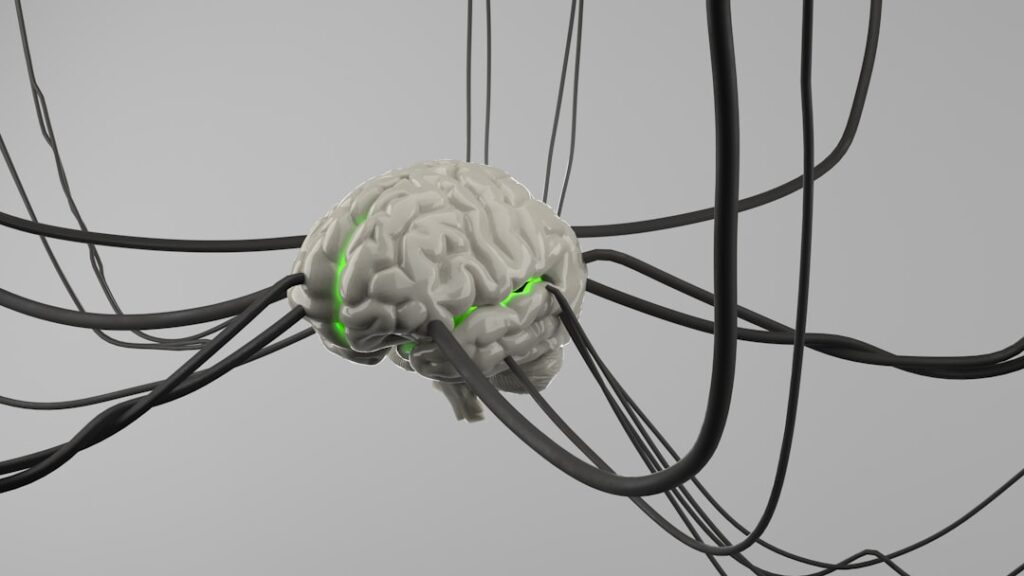
Neuroplasticity reshapes career capital in a shifting workforce
Neuroplasticity operates through synaptic pruning and the formation of new neural connections, processes that intensify with focused repetition and timely feedback. Corporate curricula that embed spaced‑learning modules, micro‑practice drills and real‑time performance analytics activate these mechanisms at scale. According to Career Ahead’s analysis of corporate learning investments, firms that embed neuroplasticity principles report higher internal mobility rates, indicating that neural rewiring translates into tangible career moves. The systematic application of these principles transforms optional personal development into an organizational routine, turning brain adaptability into a durable source of competitive advantage.
Embedding neuroplasticity principles into corporate learning transforms brain adaptability into a durable source of organizational capital.
Implications for career capital and institutional power
When neural adaptability becomes codified, career capital shifts from static credentials to dynamic learning capacity. Promotion cycles, once predicated on tenure, now reward demonstrable rewiring outcomes measured through competency dashboards. This re‑weighting attenuates wage inequities rooted in legacy credentialism, because employees can substantiate skill upgrades through observable performance metrics rather than historical seniority. Institutional power consequently migrates toward learning‑centric units that curate and certify neuroplasticity‑driven growth pathways, reshaping governance structures around continuous capability verification rather than hierarchical tenure.
Professionals now gauge progress by skill mastery and project impact, as 75% of firms report a widening skills gap and 80% demand measurable career goals.
Leadership pipelines become populated by individuals whose career narratives are defined by adaptive learning milestones rather than linear promotions, aligning personal growth with institutional resilience.
Stakeholder outcomes and leadership pipelines
Neuroplasticity reshapes career capital in a shifting workforce
Executives benefit from a talent bench that can pivot rapidly in response to market disruptions, reducing the latency between strategic pivots and operational execution. Mid‑career professionals gain a measurable lever for economic mobility, as neuroplasticity‑based upskilling shortens the interval between entry‑level roles and senior positions. Emerging leaders, equipped with self‑directed rewiring routines, exhibit higher cognitive flexibility—a predictor of effective decision‑making under uncertainty. Leadership pipelines become populated by individuals whose career narratives are defined by adaptive learning milestones rather than linear promotions, aligning personal growth with institutional resilience.
Projected trajectory through 2030
Adoption of neuroplasticity‑centric development is projected to expand beyond pilot programs into enterprise‑wide standards within the next three to five years. As AI‑driven personalization refines micro‑learning pathways, the cost per rewiring cycle is expected to decline, making systematic brain adaptation financially viable for mid‑market firms. Regulatory bodies are beginning to recognise continuous learning as a metric of workforce sustainability, hinting at future policy incentives for companies that demonstrably embed neuroplastic practices. By 2030, the competitive edge will likely be measured in the velocity of neural adaptation rather than the depth of static expertise.
The shift toward neuroplasticity‑driven development reframes adaptability as a core component of career capital, ensuring that workforce resilience aligns with the structural demands of a rapidly evolving economy.
Key Structural Insights
Insight 1: Embedding neuroplasticity into corporate learning converts individual brain adaptability into a measurable form of organizational capital, directly reinforcing institutional power.
Moreover, the “Bias in the Loop” study shows that confirmation bias intensifies when users perceive AI as authoritative, leading to suboptimal job applications.
Insight 2: Rewiring‑based skill acquisition compresses the traditional timeline for career capital accumulation, accelerating economic mobility and reshaping promotion hierarchies.
The shift toward neuroplasticity‑driven development reframes adaptability as a core component of career capital, ensuring that workforce resilience aligns with the structural demands of a rapidly evolving economy.
Insight 3: Over the next five years, AI‑enhanced micro‑learning will democratise neuroplasticity practices, making adaptive talent pipelines a standard competitive metric across industries.
Lifelong learning unlocks adaptability: By embracing neuroplasticity, professionals can rewire their brains to absorb new skills, adapt to changing job requirements, and stay relevant in a rapidly evolving workforce, fostering a culture of continuous growth and resilience.
Mindful career navigation optimizes performance: Leveraging neuroplasticity enables individuals to develop a deeper understanding of their strengths, weaknesses, and motivations, allowing for more intentional career choices, improved work-life balance, and enhanced overall job satisfaction.





Future Skills & Work
Future Skills & Work