


India’s Education Ministry has taken a significant step forward in modernizing the educational landscape by launching a new AI curriculum for classes 3 to 8. This initiative aims to equip young learners with essential skills in artificial intelligence (AI) and computational thinking, moving away from traditional rote learning methods. The curriculum is designed to foster critical thinking, creativity, and problem-solving abilities among students, ensuring they are better prepared for the challenges of the future.
The introduction of this AI curriculum comes at a crucial time when the demand for tech-savvy professionals is skyrocketing. According to a report by the National Association of Software and Service Companies (NASSCOM), India is expected to see a demand for over 1 million AI professionals by 2025. This makes the integration of AI education at an early stage not just beneficial but essential for the future workforce.
The curriculum will be integrated into the existing mathematics syllabus, which highlights the importance of AI in various fields and how it can enhance learning experiences. By incorporating AI into subjects that students are already familiar with, the Education Ministry aims to make the learning process more engaging and relevant.
Why AI Education Matters Now
The rapid advancement of technology has transformed the job market, making it imperative for educational systems to adapt. The new AI curriculum is designed to address this need by preparing students for a future where AI plays a significant role in everyday life. This initiative aligns with global trends, as countries worldwide are recognizing the importance of teaching AI and related skills from an early age.
For instance, the United States has been incorporating AI into its education system, with various states introducing AI-related courses in middle and high schools. Similarly, countries like Singapore and Finland have made significant strides in integrating technology into their curricula. By launching this AI curriculum, India is not only keeping pace with these global developments but also positioning itself as a leader in educational innovation.
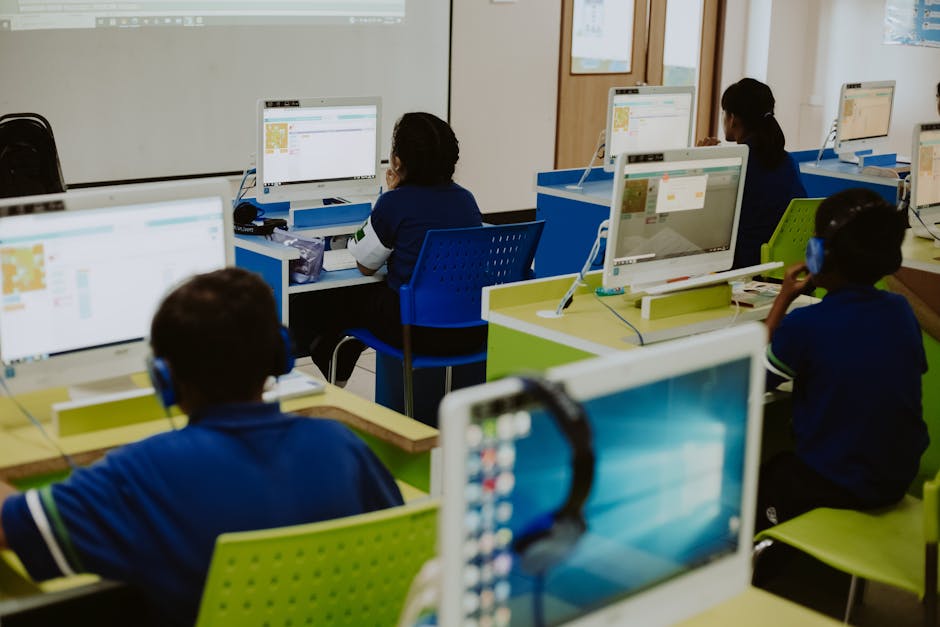
Moreover, the curriculum emphasizes a hands-on approach to learning. Students will engage in projects that require them to apply AI concepts in real-world scenarios. This experiential learning model is crucial in helping students understand the practical applications of AI, making the subject more relatable and less abstract.
The Education Ministry has stated that professional development for educators is a priority to ensure they are well-equipped to teach these new concepts.
As the curriculum rolls out, teachers will receive training to effectively deliver the content. The Education Ministry has stated that professional development for educators is a priority to ensure they are well-equipped to teach these new concepts. This focus on teacher training is vital, as the success of any curriculum largely depends on the educators’ ability to convey the material effectively.
 Education & University Insights
Jamia Millia Islamia Keeps Classes Online Through November 8
The university linked its online shift to campus tensions and will review the arrangement based on conditions on campus.
Read More →In addition to enhancing critical thinking and problem-solving skills, the curriculum aims to foster a sense of curiosity and exploration among students. By introducing AI concepts early on, the Education Ministry hopes to inspire the next generation of innovators and thinkers.
Furthermore, this initiative comes in the wake of a broader push for educational reform in India. The National Education Policy (NEP) 2020 emphasizes the need for a more holistic and multidisciplinary approach to education. The new AI curriculum aligns with these principles, promoting a blend of technical skills and critical thinking.
With the implementation of this AI curriculum, students will not only learn about AI but also develop the skills necessary to thrive in a technology-driven world. This is particularly important as industries increasingly seek professionals who can navigate complex technological landscapes.
As the integration of AI into education continues to evolve, it raises important questions about the future of learning. How will students adapt to these changes? What challenges might educators face in implementing this curriculum? These questions highlight the need for ongoing dialogue and collaboration among stakeholders in the education sector.
What This Means for Your Career
The introduction of the AI curriculum will have far-reaching implications for students as they progress through their education. For entry-level students, this curriculum means an early exposure to essential skills that will be highly valued in the job market. As AI continues to permeate various industries, having a foundational understanding of AI concepts will give students a competitive edge.
As younger generations enter the workforce with a robust understanding of AI, existing professionals may need to upskill to remain relevant.
For mid-career professionals, the curriculum signals a shift in the skills landscape. As younger generations enter the workforce with a robust understanding of AI, existing professionals may need to upskill to remain relevant. This could involve seeking additional training or certifications in AI-related fields.
 Education & University Insights
BITS Pilani Reshapes Undergraduate Curriculum for the AI Era
The revised programme includes emerging fields, structured wellbeing activities and funding for students developing solutions to societal problems.
Read More →Career switchers will also find this development significant. Those looking to transition into tech-related roles will benefit from the foundational knowledge that the new curriculum provides. Understanding AI and its applications will be crucial for anyone looking to pivot into industries that are increasingly relying on technology.

According to a recent report by the World Economic Forum, jobs that require AI skills are projected to grow by 50% in the next five years. This means that students who are currently enrolled in the new curriculum will be entering a job market that values their knowledge and skills highly.
Moreover, geographic hotspots for tech jobs are expanding. While cities like Bangalore and Hyderabad remain key players, smaller cities are emerging as tech hubs. This trend opens up new opportunities for job seekers across the country.
Positioning Yourself for Future Opportunities
As the AI curriculum rolls out, there are several actionable steps you can take to position yourself for future opportunities:
- Engage with AI Learning Resources: Explore online platforms that offer courses in AI and machine learning. Websites like Coursera and edX provide a range of options that cater to different skill levels.
- Participate in AI Projects: Seek out internships or volunteer opportunities that allow you to work on AI-related projects. Practical experience will enhance your understanding and make you more attractive to employers.
- Network with Industry Professionals: Attend workshops and conferences focused on AI and technology. Networking with professionals in the field can provide valuable insights and open doors for future job opportunities.
- Stay Updated on AI Trends: Follow industry news and research to stay informed about the latest developments in AI. Understanding emerging trends will help you anticipate changes in the job market.
However, some experts caution that while the introduction of AI education is a positive step, it should not overshadow the importance of foundational skills. According to a report by the International Society for Technology in Education, a balanced approach that includes traditional subjects alongside new technologies is essential for holistic development. This perspective emphasizes that while AI skills are important, critical thinking and creativity should also be nurtured.
As technology continues to evolve, educational institutions will need to adapt to ensure that students are equipped with the skills necessary for the future.
The Future of AI in Education
Looking ahead, the launch of the AI curriculum marks just the beginning of a broader shift in education. As technology continues to evolve, educational institutions will need to adapt to ensure that students are equipped with the skills necessary for the future. The integration of AI into education is likely to become more prevalent, with schools exploring innovative ways to incorporate technology into various subjects.
Moreover, the collaboration between the Education Ministry and technology companies may lead to further enhancements in the curriculum. As AI tools become more accessible, schools may adopt new technologies that facilitate personalized learning experiences for students.
 Education & University Insights
NCERT Launches Twenty‑Hour AI Module for Classes Nine to Twelve
NCERT launched a twenty‑hour AI and computational thinking module for classes nine to twelve.
Read More →
As we embrace this new era of education, one question remains: How will we ensure that all students, regardless of their background, have access to these transformative learning experiences? Ensuring equity in education will be crucial as we move forward in this AI-driven landscape.
Written by Career Ahead AI. AI can make mistakes, so verify key facts. Report errors to support@careeraheadonline.com.





