

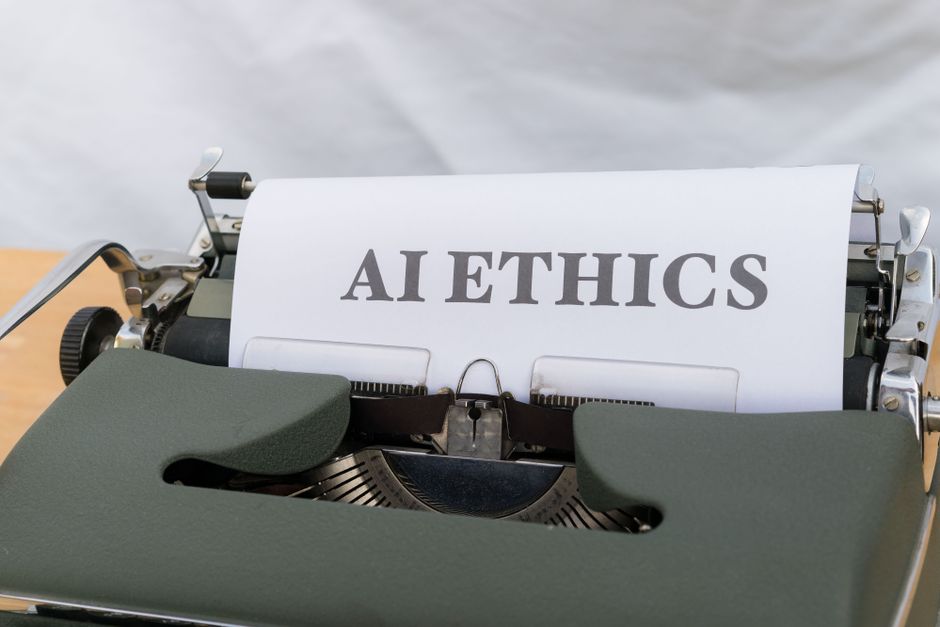
On September 30, 2026, President Donald Trump and leading tech CEOs signed a significant agreement focusing on regulating super intelligence and enhancing safety measures for AI development. Titled the “Joint Commitment on Frontier Responsibilities,” this accord introduces a framework with four layers of controls and audits aimed at ensuring the ethical use of frontier AI technologies.
This agreement emerges amidst growing global concerns regarding the rapid advancement of AI technologies, prompting calls for stricter regulations. It was reached during a high-level summit, where tech leaders emphasized the necessity to decelerate AI development to mitigate risks associated with super intelligence. Notable signatories include Sundar Pichai of Google, Mark Zuckerberg of Meta, and Elon Musk of xAI. The accord reflects a burgeoning consensus among industry leaders worldwide about the importance of ethics in technology.
Enhanced Oversight in AI Development
The newly signed accord underscores the need for enhanced regulatory scrutiny over AI development globally. The first layer of control mandates companies to establish robust internal monitoring systems to assess AI models during training and deployment. This requirement is expected to lead to increased investments in compliance teams and technologies across the industry.
The second layer necessitates the formation of internal teams dedicated to ensuring the efficacy of monitoring and detection systems. This marks a pivotal shift in operational accountability for tech companies, compelling them to consider the ethical implications of their AI systems. A global analysis suggests that this could foster the emergence of new compliance roles targeting professionals skilled in AI ethics and regulatory compliance.
The third layer introduces independent external scrutiny, requiring tech companies to collaborate with external auditors to evaluate the effectiveness of their internal controls. This move towards external auditing reflects a broader trend in corporate governance, where stakeholders worldwide demand greater transparency and accountability.
A global analysis suggests that this could foster the emergence of new compliance roles targeting professionals skilled in AI ethics and regulatory compliance.
The final layer mandates that each company’s board of directors establish an independent committee to oversee the implementation of these controls, ensuring that any issues identified during audits are promptly addressed. This shift enhances accountability and aligns with increasing expectations from consumers and regulators for ethical operations across the globe.
Prioritizing Ethical Considerations
The accord emphasizes the responsibility of tech companies to develop technologies that foster trust with customers and the public. This ethical framework is expected to influence how AI projects are conceived, developed, and deployed on an international scale. As companies adopt these guidelines, AI ethics researchers will need to adjust their focus to align with the new standards, advocating for user safety and ethical practices.
Financially, the implications of this accord are significant, with a potential shift in funding and investment towards technologies that adhere to these new standards. Investors are likely to favor companies committed to ethical AI development, impacting funding for startups and established firms alike. Financial markets globally are reacting to the news, with increased interest in companies prioritizing ethical frameworks in their AI initiatives.
As a result, software engineers must stay informed about these changes and adapt their practices accordingly. This may involve re-evaluating existing projects to ensure compliance with the accord’s guidelines. Engineers demonstrating a commitment to ethical practices may gain a competitive edge in the job market. Overall, signing this accord marks a pivotal moment in AI regulation, signaling a shift towards a future where ethics are paramount.
Future of AI Regulation
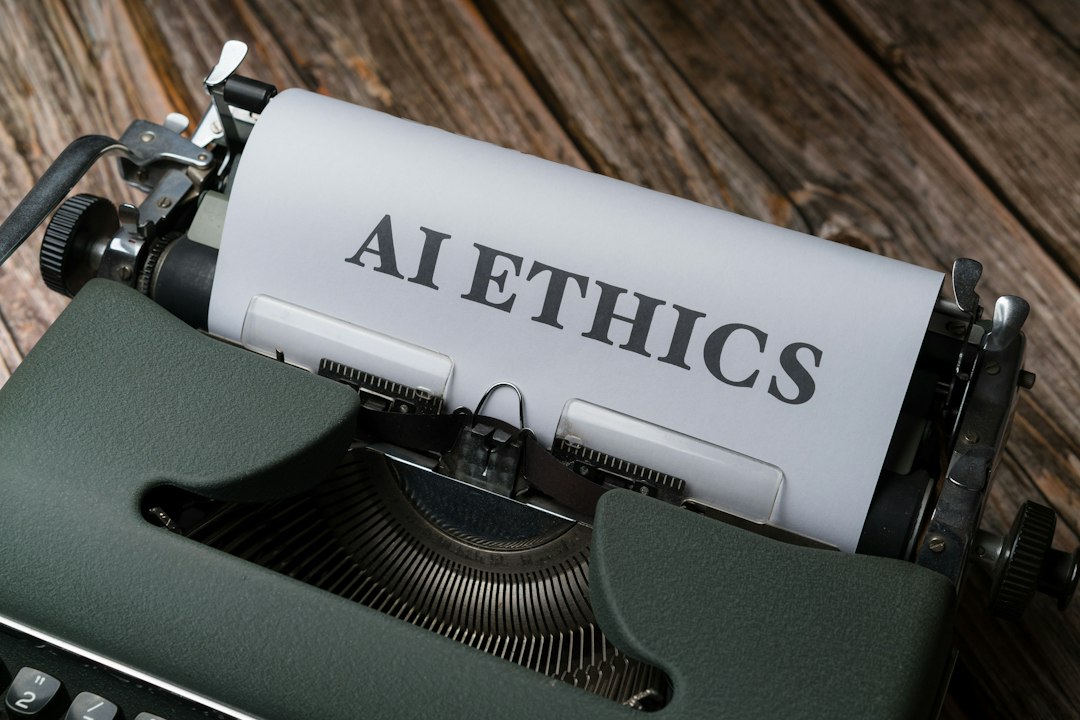
The potential for mandatory federal regulations stemming from this accord raises questions about the future of AI development. Will these voluntary commitments evolve into enforceable laws? Ongoing dialogue between tech leaders and regulators will be crucial in shaping these regulations in the coming years, with many anticipating that this accord could lead to more formal legislation soon.
Future of AI Regulation The potential for mandatory federal regulations stemming from this accord raises questions about the future of AI development.
Frequently Asked Questions
What are the implications of the new AI accord for tech policy advisors?
Tech policy advisors must adapt to the new regulatory landscape introduced by the accord, guiding companies in implementing compliance measures and navigating external auditing processes.

How should AI ethics researchers adapt to the changes in regulation?
AI ethics researchers must realign their focus to address the ethical considerations emphasized in the new accord, advocating for practices that prioritize user safety and developing frameworks for responsible AI development.
What steps should software engineers take to align with the new ethical standards in AI?
Software engineers should familiarize themselves with the new ethical guidelines established by the accord, reassessing their projects to ensure compliance and demonstrating a commitment to ethical practices, which could enhance their marketability in the evolving job landscape.
Written by Career Ahead AI. AI can make mistakes, so verify key facts. Report errors to support@careeraheadonline.com.





lSDvGPLqckPNaXqomOo