No products in the cart.

New Jersey Sues Amazon Over Delivery Driver Pay Suppression

New Jersey's lawsuit against Amazon could reshape how delivery drivers are compensated. This case highlights broader issues of wage suppression in the gig economy, potentially leading to significant changes in pay structures for workers in New Jersey and beyond.

New Jersey has filed a lawsuit against Amazon. The state accuses the tech giant of suppressing wages for its delivery drivers. The lawsuit was announced on August 4, 2026, by the attorney general. It claims Amazon is abusing its market power to keep delivery costs low, hurting fair compensation for workers.
This legal action is important. It could set a precedent for how gig economy workers are treated and paid. New Jersey’s attorney general argues that Amazon’s practices harm drivers and violate antitrust laws meant to promote fair competition.
Impact of Amazon’s Market Practices on Driver Wages
Amazon’s delivery drivers report that their earnings are low due to the company’s business model. Data from Career Ahead shows many drivers earn less than the minimum wage after expenses like vehicle maintenance and fuel. This raises concerns about the sustainability of Amazon’s delivery model, which relies on gig workers.
According to jerseyvindicator.org, the lawsuit highlights how Amazon controls delivery operations. This control allows Amazon to set pay rates, often resulting in lower wages for drivers. The attorney general’s office claims this model exploits workers and keeps wages artificially low.
The lawsuit also argues that Amazon’s practices may reduce job security for delivery drivers. The company pushes for efficiency and cost-cutting. This pressure can lead to unstable work conditions and fewer hours, affecting drivers’ financial stability.
Research from Career Ahead finds that the lawsuit’s outcome could increase scrutiny of pay structures in the gig economy. If successful, it may encourage other states to take similar legal actions against companies that use gig workers, potentially reshaping the industry.
If successful, it may encourage other states to take similar legal actions against companies that use gig workers, potentially reshaping the industry.
Potential Legal Outcomes and Their Implications
You may also like
 Government & Policy
1.25 Crore ITR Updates Generate ₹9,494 Crore Revenue
The NUDGE campaign, which stands for Non-intrusive Usage of Data to Guide and Enable, has significantly increased tax compliance in India, leading to 1.25 crore…
Read More →The legal battle between New Jersey and Amazon could have wide-ranging effects on gig economy regulations. If the court rules in favor of the state, it may create a legal framework for fair wages for gig workers. This could change how delivery services operate, not just in New Jersey but across the U.S.
According to finance.yahoo.com, the lawsuit is part of a trend where states are acting to protect gig workers’ rights. As more states consider similar laws, companies like Amazon may need to rethink their pay structures and working conditions.
The lawsuit could also change public perception of gig economy companies. If consumers learn about the wage issues faced by delivery drivers, they may pressure Amazon and similar companies to improve labor practices. This shift could alter how these companies market their services and treat their workers.
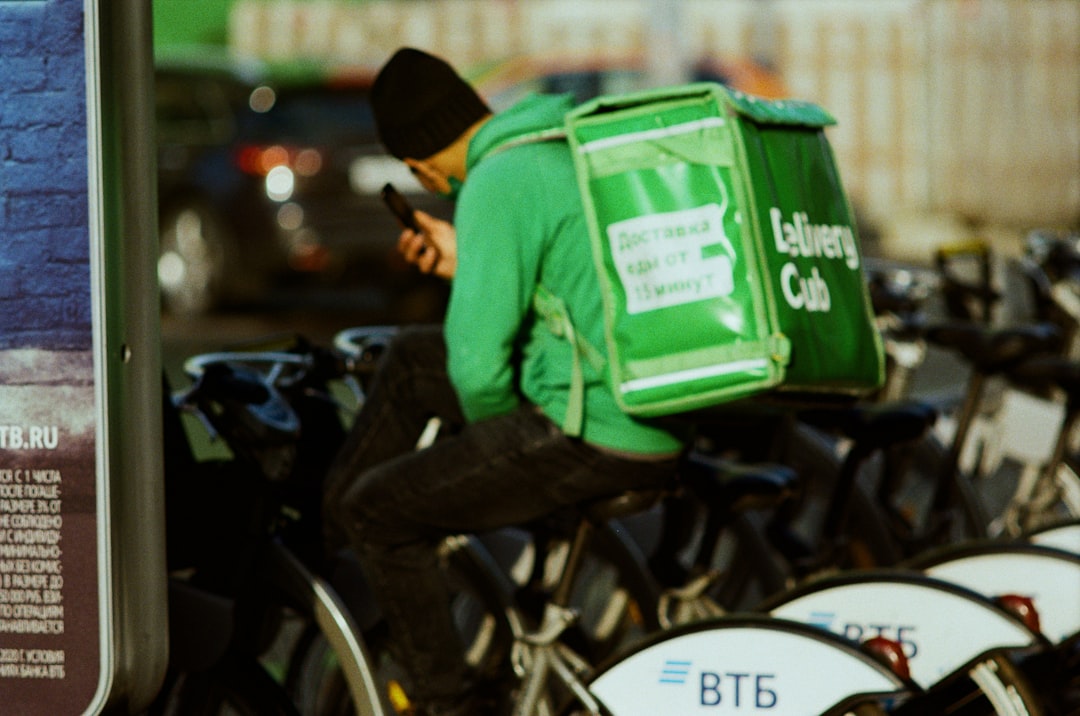
The lawsuit’s outcome may spark broader reforms in labor rights, especially for gig economy workers.
As the legal proceedings continue, delivery drivers should stay informed about their rights and potential changes to their pay. The lawsuit’s outcome may spark broader reforms in labor rights, especially for gig economy workers.
Wider Implications for the Gig Economy and Delivery Drivers
The implications of New Jersey’s lawsuit against Amazon go beyond wage concerns. The case could start a national conversation about gig workers’ rights and the responsibilities of companies that rely on this labor model. As more states advocate for gig worker protections, the gig economy may see significant changes.
Career Ahead’s analysis suggests that if the lawsuit leads to stricter regulations, delivery drivers could gain better job security and benefits. This could include access to healthcare, paid time off, and higher wages, which are often missing in gig roles. Such changes could make delivery jobs more appealing and sustainable.
You may also like
 Featured
AI Framework Assesses Security Risks
The Trump administration has introduced a new AI framework focusing on security risks associated with closed-source models. This shift may lead to increased scrutiny and…
Read More →Additionally, the lawsuit may encourage other gig economy companies to reassess their practices. Firms that rely on gig workers may need to adopt fairer pay structures to avoid legal challenges and negative public perception. This could create a competitive environment where companies strive to offer better compensation and working conditions.
Ultimately, the lawsuit’s outcome could redefine the gig economy and influence how companies interact with their workers. As the case progresses, delivery drivers and gig workers nationwide should stay engaged in discussions about their rights and pay.
The New Jersey lawsuit against Amazon raises important questions about the future of gig work and the treatment of delivery drivers. As the legal process unfolds, it will be crucial to see how this case impacts labor practices and whether it leads to meaningful changes in the gig economy.
The New Jersey lawsuit against Amazon raises important questions about the future of gig work and the treatment of delivery drivers.
Frequently Asked Questions
What are my rights as a delivery driver in New Jersey?
Delivery drivers in New Jersey have the right to fair wages and safe working conditions. The lawsuit against Amazon may clarify and strengthen these rights, leading to better protections for gig workers.
How might this lawsuit impact my earnings as a delivery driver?
If the lawsuit succeeds, it could lead to higher wages and better benefits for delivery drivers in New Jersey. This may set a precedent for similar actions across the country, improving pay for gig workers nationwide.

What should delivery drivers do if they feel their pay is being suppressed?
Delivery drivers who think they are underpaid should document their earnings and expenses. They may also consider joining advocacy groups that fight for gig workers’ rights, especially as legal changes occur in the industry.
You may also like
 Government & Policy
UPSSSC Exam Calendar Unveils 2026 Schedule
The UPSSSC has released its 2026 Exam Calendar, detailing crucial dates for recruitment exams, interviews, and physical tests, including the significant UPSSSC PET in October.
Read More →