No products in the cart.

New Restrictions on Cellphone Use
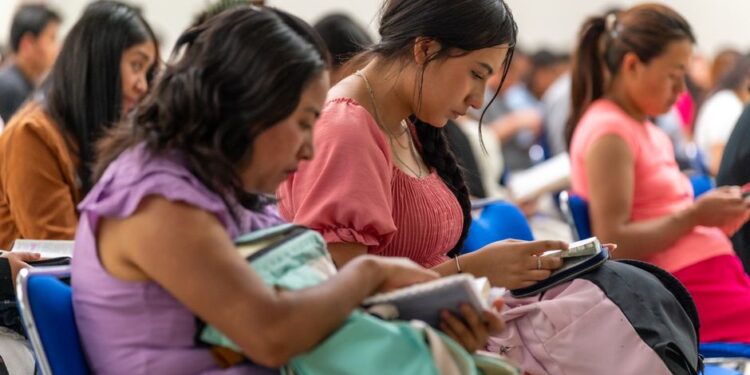
This decision comes from growing concerns about technology's impact on education. As digital devices become more common, educators and policymakers are questioning their role in classrooms.

Mexico’s government has announced new restrictions on cellphone use in schools. These rules will start in November 2026. President Claudia Sheinbaum supports this policy to limit distractions and improve the learning environment for students across the country.
This decision comes from growing concerns about technology’s impact on education. As digital devices become more common, educators and policymakers are questioning their role in classrooms. This shift may change teaching methods and classroom management strategies for teachers and school administrators.
Understanding the Policy Changes
The new restrictions will ban cellphones and other screens during school hours. This initiative aims to create a focused educational environment. Students can engage with their lessons without interruptions from mobile devices. The policy has sparked discussions among educators about its possible effects on teaching methods and student engagement.
President Sheinbaum’s administration believes that limiting cellphone use will help reduce issues like cyberbullying and distraction. Studies show that too much screen time can hurt academic performance. This policy is a proactive measure to tackle these challenges. However, it raises questions about how educators will adjust to this new situation.
Other countries have also implemented similar restrictions with mixed results. For example, France has banned mobile phones in schools to encourage face-to-face interactions among students. The UAE has restricted social media use for children under 15, showing a global trend to regulate technology in education. These examples highlight the potential benefits and challenges of such policies. A report by the New York Times indicates that France’s ban has improved student focus and engagement. This suggests that Mexico’s approach may yield similar results if done effectively.
Schools may also need to invest in professional development for teachers to help them manage the shift away from technology.
You may also like
 Education & University Insights
Chhattisgarh Portal Verifies Private University Degrees Online | Career Outlook
Chhattisgarh has launched a new online portal that enables students and employers to verify degrees from private universities, enhancing transparency in higher education.
Read More →As the November deadline approaches, teachers and school administrators in Mexico must prepare for these changes. They need to develop strategies to engage students without relying on technology. The success of this policy will depend on how well educators adapt to the new rules and find creative ways to foster student engagement. Schools may also need to invest in professional development for teachers to help them manage the shift away from technology.
Impact on Digital Learning Tools
The cellphone restrictions may greatly affect the use of digital learning tools in Mexican schools. Many educators have integrated technology into their teaching, using apps and online resources to enhance learning. The new policy could limit these tools, forcing teachers to return to more traditional methods.
Career Ahead’s analysis shows that this trend toward limiting technology may signal a broader move back to traditional teaching methods. As schools navigate these changes, educators may face skill gaps in digital literacy for themselves and their students. Teachers who are used to technology may struggle to adapt their lesson plans to fit the new restrictions.
Moreover, research shows that digital learning tools can boost student engagement. Interactive and multimedia resources often enhance understanding and retention of information. Limiting these tools may hinder students’ ability to connect with the material and develop critical thinking skills. For instance, a study cited by CNBC shows that students who engage with technology in a structured way often outperform their peers in traditional settings. This raises concerns about whether the new restrictions might negate the benefits of such educational tools.

Limiting these tools may hinder students’ ability to connect with the material and develop critical thinking skills.
As schools implement these changes, educators must explore alternative engagement methods. This might include hands-on activities, group discussions, and project-based learning. These approaches can effectively capture students’ attention without relying on technology. However, this requires a shift in mindset and teaching strategies, which can be challenging for many educators. The successful implementation of this policy will depend on teachers’ creativity and adaptability as they seek to maintain student interest in a tech-free environment.
You may also like
 Education & University Insights
A16z is challenging Silicon Valley’s love for drop-outs
The Horowitz Andreessen Academy offers a one-year program with no tuition, accepting around 50 students based on their proof of work, such as projects or…
Read More →The cellphone ban may also lead to a reevaluation of assessment methods. With traditional teaching methods gaining importance, educators may need to find new ways to evaluate student learning that align with the restrictions on technology. This could involve more project-based assessments and collaborative work, allowing students to show their understanding in diverse ways. A report by the Guardian notes that schools with similar restrictions have often found innovative ways to assess learning without technology, suggesting that such adaptations are possible.
As Mexico moves forward with these restrictions, the education sector will closely monitor the outcomes. Will this policy improve academic performance, or will it hinder students’ ability to engage with modern learning tools? The answers to these questions will shape the future of education in Mexico.
Frequently Asked Questions
What are the new cellphone policies for teachers in Mexican schools?
The new cellphone policies in Mexican schools ban the use of cellphones and screens during school hours. This aims to reduce distractions and improve the learning environment.
School administrators can adapt by offering professional development for teachers.
How can school administrators adapt to the new restrictions on technology?
School administrators can adapt by offering professional development for teachers. They should focus on classroom management strategies that promote engagement without technology.

What should teachers do to engage students without the use of cellphones?
Teachers can engage students through hands-on activities, group discussions, and project-based learning. These methods foster a dynamic classroom environment.
You may also like
 Education & University Insights
How a Single Entrance Test Could Transform IIM Admissions
The introduction of a common entrance test for multiple IIMs could significantly streamline the MBA admissions process, making it more efficient and accessible for students.…
Read More →