


RISM Launches to Address Educational Gaps in India
Bengaluru, India — The Gokula Education Foundation has launched the Ramaiah Institute of Science and Management (RISM), a new STEM-focused university aimed at addressing critical gaps in India’s higher education landscape. According to Gurucharan Gollerkeri, Executive Director of the foundation, RISM is designed to respond to the rapid changes in technology and industry demands. The university will begin operations in August 2026, offering programs in artificial intelligence, aerospace engineering, and management.
The institution’s formation comes at a time when traditional educational models are increasingly seen as insufficient. Gollerkeri emphasizes the need for a curriculum that integrates industry insights with academic learning. This approach aims to create a workforce that is not only knowledgeable but also adaptable to the fast-evolving job market.
RISM plans to invest approximately ₹850 crore over the next six years to develop its facilities and programs. With an initial intake of around 400 students, the university intends to offer a fully residential model that fosters close ties between students and the industry. This initiative reflects a broader trend in India towards more practical and interdisciplinary education.
Bridging the Gap Between Academia and Industry
One of the primary gaps RISM seeks to fill is the disconnect between academic institutions and the industries they serve. Gollerkeri points out that many graduates struggle to find employment due to a lack of practical skills that employers require. This disconnect has led to rising concerns about graduate employability, particularly in sectors like AI and electric mobility.
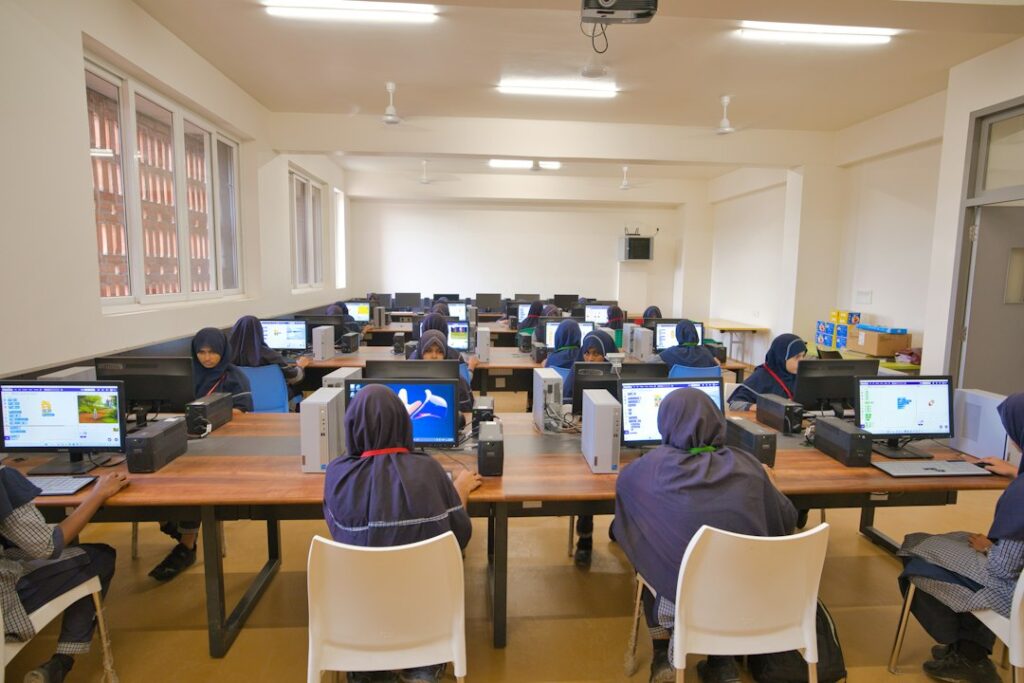
To combat this issue, RISM will implement a curriculum co-designed with industry partners. This means that companies will play a crucial role in shaping what students learn, ensuring that the education provided is relevant and up-to-date. According to projxnews.com, RISM’s unique model will include live projects and internships that immerse students in real-world challenges from the outset.
Furthermore, Gollerkeri notes that nearly 30-35% of the teaching staff will comprise industry professionals, which will enhance the learning experience. This blend of academic and practical knowledge is expected to prepare students more effectively for their future careers.
This blend of academic and practical knowledge is expected to prepare students more effectively for their future careers.
Innovative AI Integration in Learning
 Education & University Insights
Education Leaders Stress Early University Succession
The conclave brought institutional and technology leaders together to examine university transitions and long-term vision.
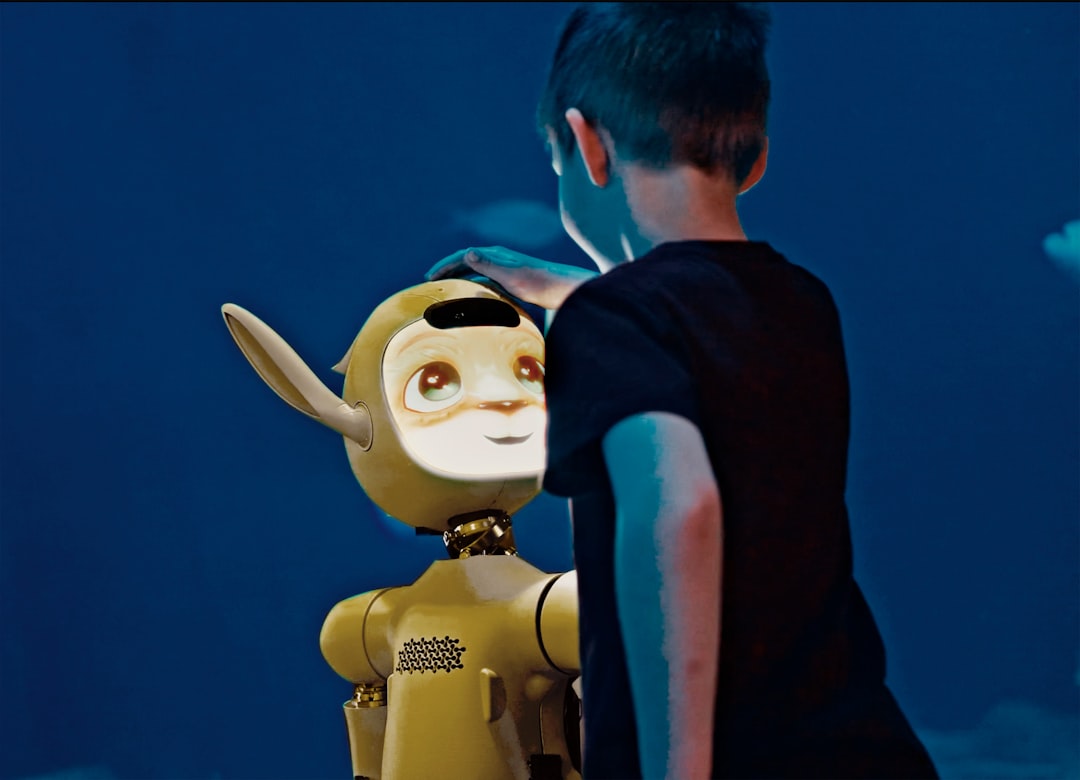
Read More →AI is set to play a significant role in RISM’s educational framework. Gollerkeri describes a four-stage approach to AI integration in the student learning process. In the first year, AI will serve as a tutor, transitioning to a collaborative tool by the third year, and ultimately acting as a subordinate to students in their final year.
This innovative approach aims to foster critical thinking and analytical skills among students. Gollerkeri believes that understanding how to harness AI effectively is crucial for future professionals, especially as the technology continues to evolve and automate many traditional roles.
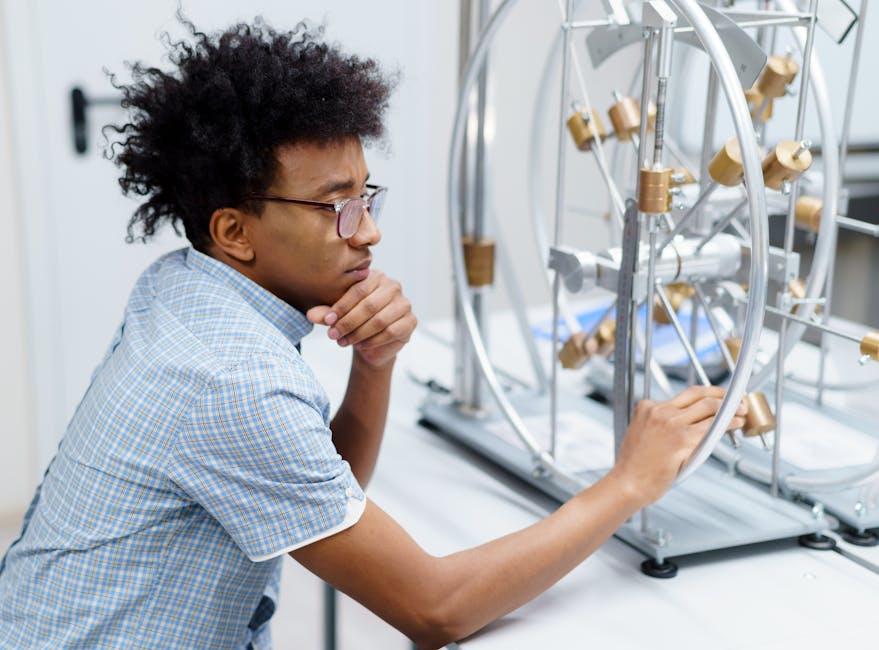
Moreover, RISM will support interdisciplinary learning pathways, allowing students to explore various fields and develop a more holistic skill set. This flexibility is essential in today’s job market, where employers increasingly value diverse skill sets and adaptability.
Strategic Location and Global Collaborations
The strategic location of RISM near major industrial hubs is another key factor in its potential success. Situated close to sectors such as IT, automotive, and semiconductors, the university is well-positioned to facilitate internships and collaborative projects. Gollerkeri highlights that this proximity will provide students with unparalleled access to industry leaders and hands-on experiences.
Additionally, RISM’s partnership with the University at Albany, State University of New York (SUNY Albany), will further enhance its global reach and academic rigor. This collaboration will allow for joint curriculum development and research initiatives, fostering a more comprehensive educational environment.
As the university gears up for its inaugural academic year, the integration of industry partnerships in the curriculum is expected to set a new standard for higher education in India. This model not only benefits students but also helps companies by creating a pipeline of skilled talent ready to meet their needs.
This model not only benefits students but also helps companies by creating a pipeline of skilled talent ready to meet their needs.
Challenges Ahead for RISM
Despite the promising vision for RISM, challenges remain. Gollerkeri acknowledges that traditional mindsets about education still prevail among many parents and students, who may prefer conventional degree structures. This cultural barrier could pose a challenge in attracting students to the new model.
 Education & University Insights
Education Ranks as the Most Cyber-Attacked Sector
An LMS breach exposed student data, while AI can tailor phishing and clone school leaders’ voices.
Read More →Additionally, the readiness of faculty to adopt new teaching methods is crucial. RISM plans to establish a Teaching and Learning Center dedicated to faculty development, which will be essential for transitioning from lecture-based teaching to more interactive, problem-based learning.
As the landscape of higher education continues to evolve, RISM’s success will depend on its ability to navigate these challenges while remaining agile and responsive to industry needs. The university’s innovative approach could serve as a blueprint for other institutions in India looking to adapt to the demands of the modern workforce.
Transforming Higher Education in India
The launch of RISM represents a significant shift in India’s higher education paradigm. By focusing on AI, interdisciplinary learning, and industry integration, the university is poised to address critical skill gaps in the workforce. According to msruas.ac.in, this model could inspire other institutions to adopt similar strategies, fostering a more responsive and relevant educational landscape.
As the National Education Policy (NEP) 2020 encourages flexibility and interdisciplinary learning, RISM’s approach aligns well with these goals. However, Gollerkeri points out that regulatory challenges still exist, particularly for foreign collaborations and dual-degree programs, which could hinder broader implementation.
As the National Education Policy (NEP) 2020 encourages flexibility and interdisciplinary learning, RISM’s approach aligns well with these goals.
The implications of RISM’s launch extend beyond its own campus. As other educational institutions observe its progress, there may be a ripple effect that encourages innovation in teaching methods and curriculum design across the country.
This shift could ultimately lead to a more skilled and adaptable workforce, better equipped to meet the challenges of a rapidly changing global economy.
 Education & University Insights
India’s Higher Education Agenda Puts Skills, Research and Faculty First
A panel framed the debate around India@2047, while a university chancellor said competitive research ecosystems can take 10–15 years to develop.
Read More →RISM’s innovative approach to education could redefine how institutions engage with industry and prepare students for the future. Will this model become the standard for higher education in India, or will traditional structures continue to dominate?
Written by Career Ahead AI. AI can make mistakes, so verify key facts. Report errors to support@careeraheadonline.com.





