No products in the cart.

‘No teachers, no infra’ but these colleges still get BU affiliation

The inquiry committee's report, compiled earlier this year, highlighted glaring shortfalls in these institutions, including a lack of qualified faculty members and inadequate laboratory and library facilities.

Bhopal, India — Barkatullah University (BU) has sparked controversy after its executive council approved the affiliation of several colleges flagged for significant deficiencies in faculty and infrastructure. This decision, made in a recent session, has drawn sharp criticism from students and faculty who argue that it jeopardizes academic standards and the future employability of graduates.
The inquiry committee’s report, compiled earlier this year, highlighted glaring shortfalls in these institutions, including a lack of qualified faculty members and inadequate laboratory and library facilities. Despite these findings, the university’s executive council proceeded with the affiliation, raising concerns about the implications for students enrolled in these colleges.
Concerns Over Academic Integrity
The decision to affiliate colleges that do not meet essential academic criteria undermines the integrity of Barkatullah University and the value of its degrees. Students at these institutions now face an uncertain future, questioning the worth of their education in the job market. A student expressed concern, saying, “If we join these colleges, what will happen to our degrees and job prospects?” This sentiment reflects a broader anxiety among students regarding the quality of education they will receive.
According to research from eeducationgroup.com, quality education necessitates robust infrastructure and qualified faculty. Without these elements, the educational experience suffers, leading to inadequate preparation for the workforce. This situation poses a significant risk not only to current students but also to the reputation of the university itself. Furthermore, the New Indian Express reported on similar issues in Karnataka, where crumbling infrastructure has severely hampered educational quality, highlighting a systemic crisis that resonates with the current situation at BU.
Faculty members have also voiced their concerns, warning that the affiliation of under-resourced colleges could erode the university’s reputation and compromise the quality of education delivered to thousands of students. The potential decline in educational standards could lead to a generation of graduates who are ill-prepared for the challenges of the job market. This is particularly alarming given that employers increasingly seek candidates from institutions with a proven track record of academic excellence.
Without these elements, the educational experience suffers, leading to inadequate preparation for the workforce.
Career Implications for Graduates
You may also like
 Education & University Insights
UGC Unveils Unified Portal for Higher Education Recognition
The University Grants Commission (UGC) has launched a unified online portal aimed at simplifying the recognition process for higher education institutions in India, enhancing transparency…
Read More →The affiliation of colleges lacking adequate faculty and infrastructure poses significant career risks for graduates. Employers increasingly prioritize candidates from institutions with strong academic reputations and proven educational quality. As a result, graduates from these affiliated colleges may find it challenging to secure employment in a competitive job market.
Career Ahead’s analysis finds that this affiliation decision could lead to a decrease in the employability of graduates, particularly in fields that require a solid foundation of knowledge and skills. Employers may be hesitant to hire candidates from institutions that have been flagged for deficiencies, fearing that they may not possess the necessary competencies. This concern is echoed in various studies, including those conducted by the World Bank, which emphasize the correlation between educational quality and employability.
Moreover, the lack of qualified faculty can directly impact the quality of education provided. When students are not taught by experienced instructors, their understanding of critical concepts may suffer, leading to gaps in knowledge that could hinder their performance in professional settings. This can create a cycle of disadvantage for graduates, as they struggle to compete with peers from better-resourced institutions. The consequences of this cycle are dire, as they not only affect individual career trajectories but also contribute to broader economic challenges within the region.
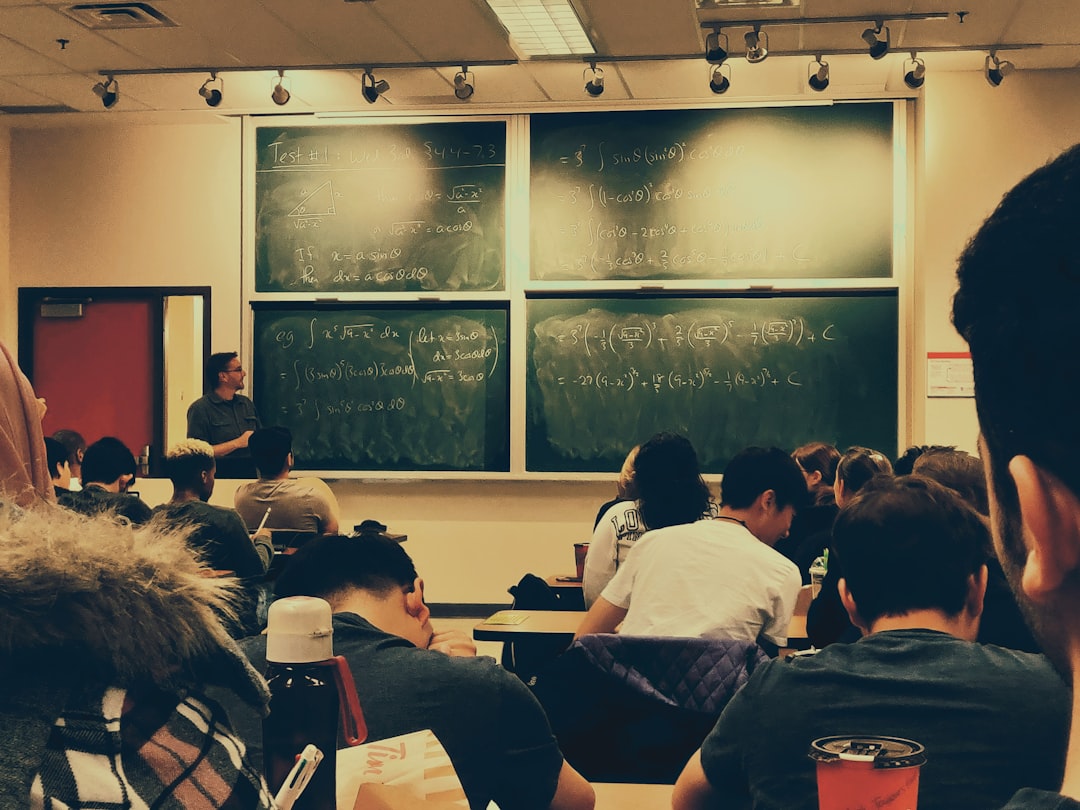
Student and Faculty Reactions
Students and faculty have expressed their intent to petition the university administration and regulatory bodies to seek a review of the decision. This pushback reflects a growing recognition of the importance of maintaining high educational standards and ensuring that students receive a quality education that prepares them for the workforce. The potential for protests and legal action from student bodies against BU’s affiliation decisions could create additional pressure on faculty members. If these movements gain traction, faculty may be caught in the crossfire between administrative decisions and student demands, further complicating their roles within these institutions.
In light of these developments, the future of faculty positions at these affiliated colleges remains uncertain. The ongoing debate surrounding the quality of education and the implications for both students and faculty will likely continue to shape the narrative of higher education in India. The controversy surrounding Barkatullah University’s decision to affiliate colleges lacking essential resources highlights the need for greater accountability in higher education.
This pushback reflects a growing recognition of the importance of maintaining high educational standards and ensuring that students receive a quality education that prepares them for the workforce.
Accountability in Higher Education
You may also like
 Education & University Insights
UGC Cracks Down on EdTech Partnerships Amid Fake University Concerns
The UGC's recent crackdown on EdTech-university partnerships raises significant concerns for higher education institutions. This action highlights the risks associated with unrecognized collaborations and the…
Read More →As stakeholders await the university’s response, the implications of this decision will resonate throughout the academic community, raising critical questions about the future of education in India. Experts in the field of education governance argue that such decisions reflect systemic issues within higher education. The discretion exercised by university administrators can clash with necessary regulatory oversight, resulting in affiliations that do not prioritize student welfare. The lack of stringent monitoring mechanisms raises pressing questions about the accountability of educational institutions in India. As noted by the NITI Aayog, the failure to address infrastructure and faculty shortages is a critical barrier to improving educational outcomes across the country.
BU has stated that affiliation decisions often involve considerations for potential upgrades within a stipulated timeframe. However, the effectiveness of these mechanisms in ensuring compliance with educational standards is still in question.

Frequently Asked Questions
What are the implications of BU affiliation for college faculty?
Faculty members at colleges affiliated by BU may face job insecurity due to the lack of resources and support. This situation can lead to decreased morale and job satisfaction among educators.
Without proper infrastructure, students are likely to receive a subpar education, which can hinder their understanding of critical concepts.
How does lack of infrastructure affect students’ education?
Without proper infrastructure, students are likely to receive a subpar education, which can hinder their understanding of critical concepts. This may ultimately affect their employability in the job market.
What should higher education administrators do to address these concerns?
Higher education administrators must prioritize maintaining academic standards and ensuring that institutions meet essential criteria before granting affiliations. Transparent monitoring and accountability measures are crucial to protect student welfare.
You may also like
 Education & University Insights
Punjabi University Offers Executive PhD for Working Professionals
The PhD for Executives program is designed specifically for individuals with substantial professional experience. Applicants must have at least five years in industries registered as…
Read More →