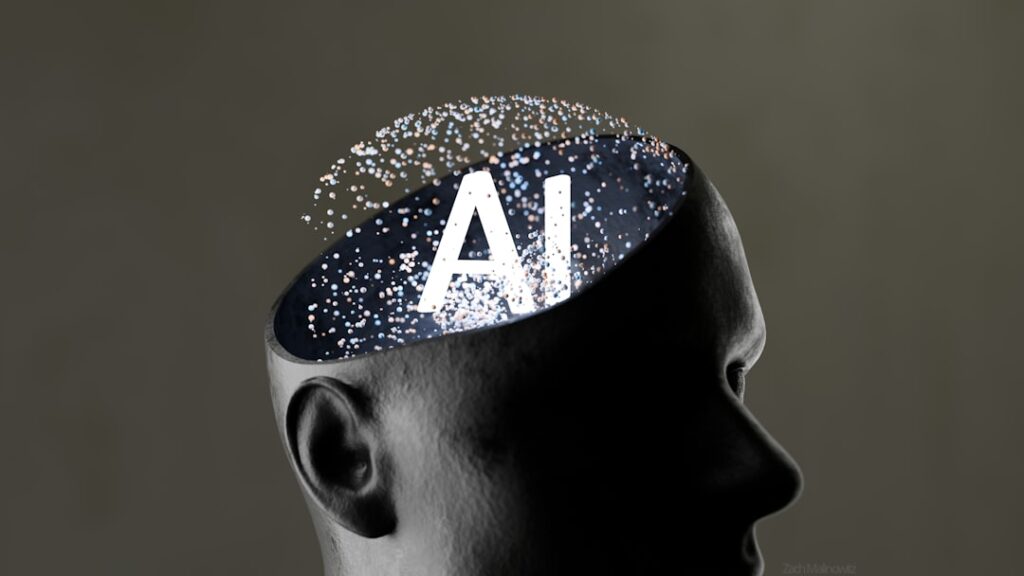
AI’s Impact on Productivity: A Cautious Perspective
Daron Acemoglu, a Nobel Prize-winning economist, has sparked significant discussions regarding artificial intelligence (AI) and its implications for productivity. Unlike many who tout AI as a revolutionary force, Acemoglu presents a more tempered view. He argues that while AI has the potential to enhance productivity, its actual impact may be more modest than commonly believed. Rather than eliminating the need for human labor, AI is likely to reshape it, creating new roles that require adaptation and skill development.
Acemoglu challenges the prevailing narrative that automation will lead to widespread job losses. He emphasizes that AI should be seen as a complement to human work, not a replacement. This perspective is crucial as businesses increasingly integrate AI into their operations. Companies must focus on leveraging AI to enhance human capabilities, fostering collaboration between workers and machines. This approach could lead to a more productive workforce, where the strengths of both humans and AI are utilized effectively.
The Essential Role of Maintenance in Technology
In addition to his insights on AI, Acemoglu underscores the importance of maintenance in our technology-driven society. He posits that maintaining existing systems is as vital as innovating new ones. This viewpoint reflects a broader societal responsibility to ensure that technology serves everyone effectively. Maintenance, according to Acemoglu, is not merely a technical task; it is a civilizational act. By caring for our existing technologies, we can prevent crises and extend their lifespan, a sentiment that resonates in an era where rapid innovation often overshadows the need for upkeep.
Stewart Brand, a notable figure in the tech community, echoes Acemoglu’s sentiments in his recent work. He argues that maintainers deserve recognition for their crucial role in sustaining technological and societal systems. Brand’s assertion that “taking responsibility for maintaining something can be radical” highlights the importance of stewardship in our increasingly complex technological landscape. This focus on maintenance can lead to a more stable and equitable technological environment.
A report from the MIT Technology Review emphasizes that successful integration of AI into the workforce requires careful planning, including investment in employee training and reskilling.
Data Insights on AI’s Economic Disparities
Research supports Acemoglu’s cautious stance on AI’s economic impact. Studies indicate that while AI can boost productivity, the benefits are not uniformly distributed across sectors. Some industries may experience significant gains, while others may lag behind, raising concerns about the equitable distribution of AI’s advantages. A report from the MIT Technology Review emphasizes that successful integration of AI into the workforce requires careful planning, including investment in employee training and reskilling. Without these efforts, the potential of AI to enhance productivity may remain untapped.
Acemoglu warns against overstating AI’s transformative potential. While some companies have thrived through AI adoption, these success stories do not reflect the broader economic landscape. The risk that AI could exacerbate existing inequalities is a pressing concern. Policymakers and business leaders must adopt a balanced approach to AI adoption, fostering innovation while ensuring that workers are prepared for the changes that AI brings.
Navigating Contradictions in AI Adoption
The discourse surrounding AI’s impact is filled with contradictions. While some experts predict a future dominated by AI and automation, others, including Acemoglu, advocate for a more measured approach. Critics argue that Acemoglu’s views may underestimate AI’s transformative potential, suggesting that rapid advancements could lead to unprecedented changes in labor markets.

However, Acemoglu counters that these success stories do not provide a complete picture. He emphasizes the need for caution, warning that without proper oversight and maintenance, AI could worsen existing inequalities. This ongoing debate underscores the necessity for a comprehensive understanding of AI’s societal implications, as the balance between innovation and maintenance becomes increasingly critical.

Preparing for the Future: Skills and Opportunities
As we look to the future, the challenge lies in balancing innovation with the need for maintenance. As AI technologies evolve, businesses must prioritize both aspects to ensure sustainable growth. This balance is essential for creating an environment where technology serves the greater good. Policymakers play a crucial role in shaping this future by creating policies that support innovation while emphasizing the importance of maintaining existing systems.
Preparing for the Future: Skills and Opportunities As we look to the future, the challenge lies in balancing innovation with the need for maintenance.
For young professionals and job seekers, understanding the dynamics of AI and maintenance is vital. As businesses increasingly adopt AI, the demand for skills that complement these technologies will grow. Workers must be adaptable and willing to learn, as roles focused on maintaining and improving existing systems will become increasingly important. This shift highlights the need for a workforce that values both innovation and the stewardship of technology.
In summary, as we navigate the evolving landscape of AI, the insights from Daron Acemoglu serve as a guiding framework. By prioritizing both innovation and maintenance, society can harness the full potential of AI while ensuring that it benefits everyone. The future of work will depend not just on the technologies we develop, but on how we choose to integrate and sustain them within our societal structures.
Written by Career Ahead AI. AI can make mistakes, so verify key facts. Report errors to support@careeraheadonline.com.