School dinner prices in Northern Ireland are rising again, with a headteacher warning that the increase adds pressure on families.
The latest increase follows a January rise
The current price changes differ by school stage. Meals for pre-school, primary and special-school pupils go up by 30p, while the price for post-primary pupils rises by 15%. The changes follow an increase of just under 20% introduced by the Education Authority in January 2026. That earlier increase came before the latest one.¹²³
For a paid dinner at a primary or special school, the price rises from £2.60 to £3.40 across the increases since the start of 2026. The estimated average cost of producing a school meal is over £5.20. The price paid by families is therefore below that estimated production cost, although the figures do not specify how much of the difference each school or the Education Authority covers.¹²
Pupils eligible for free school meals are not affected by the rise. Áine Leslie, principal of Malone Integrated College in Belfast, said the increase would put further pressure on families already worried about the cost of living crisis. About 55% of pupils at her school have free school meal entitlement, so the price change does not apply to that group.¹²³
The price paid by families is therefore below that estimated production cost, although the figures do not specify how much of the difference each school or the Education Authority covers.¹²
Headteachers and the Education Authority describe the pressures
Christos Gaitatzis, principal of Omagh High, called the 15% increase on a school meal “excessive”. Close to 30% of pupils at Omagh High are on free school meals. Chris Quinn, Northern Ireland’s commissioner for children and young people, said he was “flabbergasted” at the change.¹²³
 Education & University Insights
Bronx School of Hip Hop Opens with Ninth-Grade Class
A sixteen-bar verse became a way to break down fractions, while the school’s proposal roots learning in hip-hop.
Read More →The Education Authority described its financial position as “an exceptionally challenging financial position”. It currently pays milk subsidies to around 500 schools. The authority said it hoped the measures would save £20m, on top of £30m saved this year. The figures set out the savings goal and existing savings, alongside the authority’s description of its finances.¹²
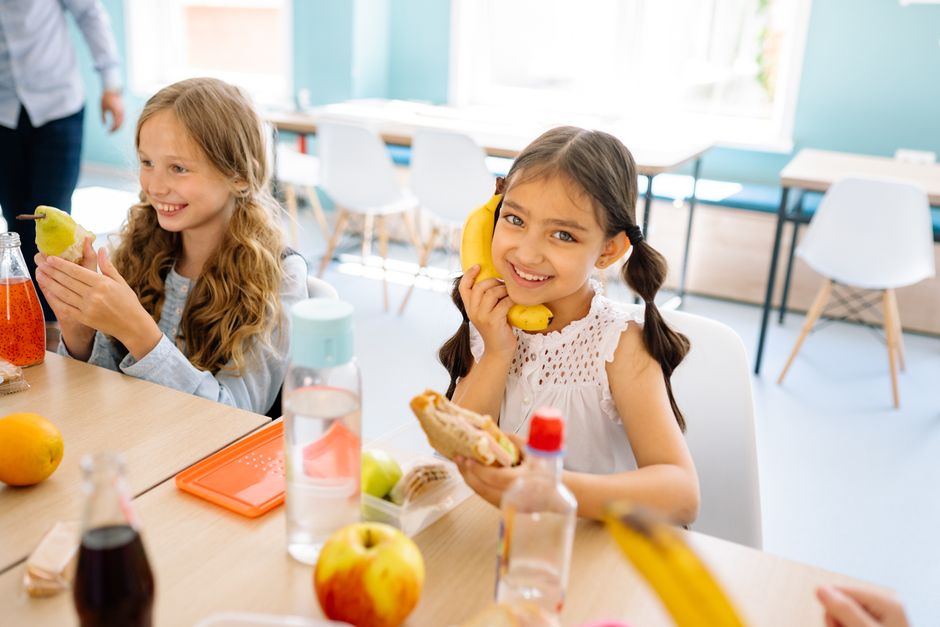
In England, Glynn Potts, headteacher at Newman RC College in Oldham, Greater Manchester, has kept meal prices low: pupils who pay £2.20 get a main meal, a dessert and a drink. Last year, he projected a £40,000 loss from subsidising meal prices. He said that loss had increased with food inflation, which stands above 19%.¹²³
Wayne Norrie, chief executive of the Greenwood Academy Trust, which covers 37 schools across England, said the trust had set aside £1.4m last year to protect families against inflation. Lunches at its schools currently cost £2.30, a price that has not increased for three years. Those figures describe the trust’s current meal price and its previous decision to set aside money for families.¹²³
Meal costs and free-meal eligibility vary across England Stephen Morales, chief executive of the Institute for School Business Leadership, said many schools faced similar dilemmas.
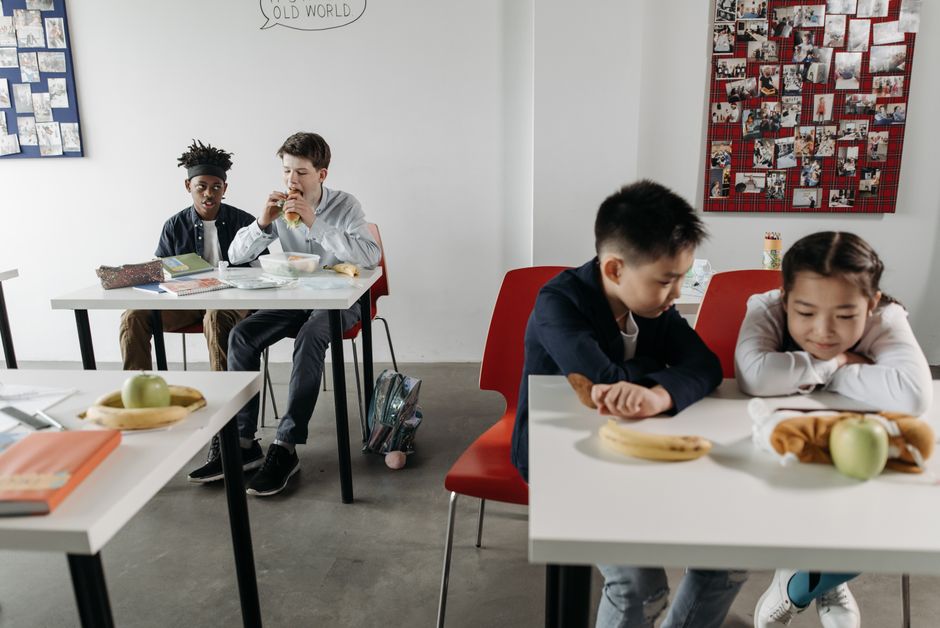
Meal costs and free-meal eligibility vary across England
Stephen Morales, chief executive of the Institute for School Business Leadership, said many schools faced similar dilemmas. Hampshire County Council raised its school meal prices by 20p in May, the second increase in nine months. Andy Jolley, a school meals expert and campaigner, said schools charging £2.20 for meals could be subsidising costs by 80p.¹²³
 Education & University Insights
Mamdani Orders Review of School Aide Hiring After Jogger’s Death
Mohassib worked in city schools, joined the NYPD and Marines, then returned to the Education Department as a substitute paraprofessional.
Read More →Research by the Sutton Trust found that more than half of school leaders in England were seeing more pupils whose parents could not afford a lunchtime meal but were not eligible for free school meals. In England, children in Key Stage 1, up to Year 2, receive free meals funded by the Department for Education. Parents of children in Key Stage 2 and above, up to age 16, pay unless they earn less than £7,400 a year excluding benefits.¹²³
The Department for Education announced an £18m increase in funding for universal infant free school meals in April 2022. The funding was intended to support costs around food, transport and staff wages. The announcement concerned the universal infant meals scheme; the eligibility rules for older pupils remain distinct, with the stated income threshold applying to Key Stage 2 children and above.¹²³
School meal costs signal budget pressure
If you work in school catering or business management, the gap between what families pay and what a meal costs to produce matters for your budget. At £2.20 per meal, some English schools subsidise costs by 80p, while the estimated production cost exceeds £5.20. Plan for food inflation above 19% when setting prices, as one headteacher's projected £40,000 loss grew with rising costs. Ask for funding that covers actual production expenses, not just current price levels, and monitor eligibility thresholds like the £7,400 income cut-off that shapes demand.¹²³
For those in school leadership, the pattern shows that holding prices steady requires explicit reserves. The Greenwood Academy Trust set aside £1.4m to keep lunches at £2.30 for three years, while Hampshire raised prices twice in nine months. When negotiating pay or resources, cite the gap between the £2.60-to-£3.40 rise and the £5.20 production cost. Also note that free meal eligibility varies widely, from 55% at one Belfast college to 30% at another, so your school's specific mix changes how much subsidy you need.¹²³
School meal costs signal budget pressure If you work in school catering or business management, the gap between what families pay and what a meal costs to produce matters for your budget.
Sources
- bbc.co.uk — https://www.bbc.co.uk/news/articles/c9m262yv6yx8o?at_medium=RSS&at_campaign=rss
- inews.co.uk — https://inews.co.uk/inews-lifestyle/money/food-inflation-parents-school-dinner-prices-heads-running-out-subsidise-2397818
- netmums.com — https://www.netmums.com/child/parents-warned-school-dinner-prices-could-rise-as-budgets-are-squeezed
Written by Career Ahead AI. AI can make mistakes, so verify key facts. Report errors to support@careeraheadonline.com