No products in the cart.

Northrop’s Robot Space Mechanic Revolutionizes Satellite Maintenance

Northrop Grumman's introduction of a robotic space mechanic marks a significant shift in satellite maintenance strategies, highlighting a growing trend towards automation in aerospace. This development necessitates a reevaluation of skills among robotics engineers and satellite maintenance specialists.

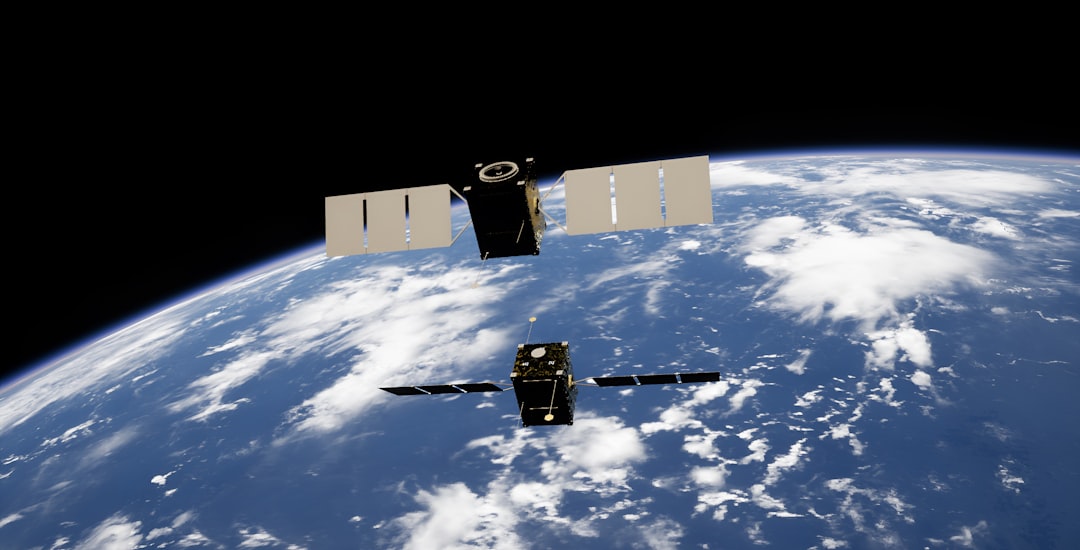
Northrop Grumman has unveiled a groundbreaking robotic mechanic designed to extend the operational lifespan of satellites, a move that could reshape maintenance strategies in the aerospace sector. This innovation, announced on August 12, 2026, involves the deployment of a Mission Robotic Vehicle (MRV) equipped with advanced robotic arms capable of performing in-orbit repairs and upgrades. This enhancement comes as part of Northrop’s ongoing efforts to ensure that satellites remain functional and profitable for longer periods, significantly impacting the future of satellite maintenance.
The MRV’s capabilities were highlighted when it recently detached from an Optus communications satellite, which had been supported by an earlier Mission Extension Vehicle (MEV) for over a year. With the launch of new satellites designed for life extension, Northrop aims to create a sustainable model for satellite operations, allowing older satellites to continue generating revenue beyond their intended lifespans.
Advancements in Robotic Maintenance Technologies
Northrop’s latest robotic mechanic represents a significant advancement in satellite maintenance technology. The MRV is equipped with two sophisticated robotic arms developed by DARPA, designed to autonomously dock with satellites and perform tasks that were once thought to be impossible in the harsh environment of space. This innovation not only enhances the operational capabilities of satellites but also reduces the need for costly and complex satellite replacements.
According to Career Ahead’s analysis of industry trends, the integration of robotics into satellite maintenance is indicative of a broader shift towards automation in aerospace. This shift is driven by the need for cost-effective solutions in an industry where launch and operational costs are continually rising. As Northrop’s technology evolves, it enables satellite operators to extend the life of their assets, thus maximizing their return on investment.
Moreover, the MRV’s design allows for in-orbit refueling, which is a crucial development for future satellite missions. This capability not only proves the feasibility of servicing satellites in space but also sets a precedent for future innovations in the aerospace sector. The expectation is that as more companies adopt similar technologies, the landscape of satellite operations will change dramatically.
However, the implementation of such advanced technologies raises questions about the required skill sets for professionals in the field. Robotics engineers and satellite maintenance specialists will need to adapt and acquire new skills to work effectively with these robotic systems. This transition may lead to a restructuring of job roles within the industry, emphasizing the importance of continuous learning and adaptation.
Robotics engineers and satellite maintenance specialists will need to adapt and acquire new skills to work effectively with these robotic systems.
Impact on Satellite Lifecycle Management
The introduction of Northrop’s robotic mechanic is set to transform satellite lifecycle management by extending the operational periods of satellites. Traditionally, satellites are retired once they run out of fuel, but with the MRV and its capabilities, satellites can now be serviced and upgraded, allowing them to function for many additional years. This paradigm shift could lead to a significant reduction in the number of satellites launched into orbit, as existing ones can be maintained and upgraded instead.
Career Ahead research identifies that this shift not only benefits satellite operators but also has implications for the broader aerospace industry. By reducing the need for new satellites, companies can save on manufacturing and launch costs, which can be redirected towards research and development of new technologies. This could foster a more sustainable approach to space exploration and satellite operations, aligning with global efforts to reduce waste and promote sustainability in all sectors.
The MRV’s ability to perform complex tasks in space also opens up new avenues for satellite operators. For instance, it could facilitate the installation of new technology on existing satellites, such as advanced sensors or communication systems, enhancing their capabilities without the need for a complete overhaul. This flexibility allows for a more dynamic approach to satellite management, where upgrades can be made as technology advances.
As Northrop continues to innovate, competition in the aerospace sector may intensify. Other companies will likely seek to develop their own robotic solutions, leading to a technological arms race in satellite servicing. This could drive down costs further and improve the quality of services offered to satellite operators, ultimately benefiting end-users who rely on satellite technology for communication, navigation, and data collection.
However, this rapid advancement also presents challenges. As automation becomes more prevalent, there may be concerns about job displacement among traditional satellite maintenance roles. The industry must find a balance between embracing new technologies and ensuring that the workforce is equipped to handle these changes.
Job Shifts Towards Automation in Aerospace Maintenance
The rise of Northrop’s robotic mechanic signals a notable shift towards automation in aerospace maintenance, particularly for satellite operations. As robotic systems become more integrated into the maintenance process, the roles of robotics engineers and satellite maintenance specialists will inevitably evolve. Career Ahead analysis finds that professionals in these fields will need to focus on developing skills related to robotics, artificial intelligence, and automated systems to remain relevant in the changing landscape.
Career Ahead analysis finds that professionals in these fields will need to focus on developing skills related to robotics, artificial intelligence, and automated systems to remain relevant in the changing landscape.
Educational institutions may also need to adapt their curricula to prepare future engineers for a world where robotics play a central role in aerospace maintenance. This could involve incorporating more hands-on training with robotic systems and emphasizing interdisciplinary approaches that combine engineering, computer science, and robotics.
Furthermore, the demand for skilled workers who can operate and maintain these robotic systems is likely to grow. As the aerospace sector increasingly relies on automation, professionals with expertise in robotics will be in high demand, leading to new job opportunities. However, this also means that workers will need to continually upskill to keep pace with technological advancements.
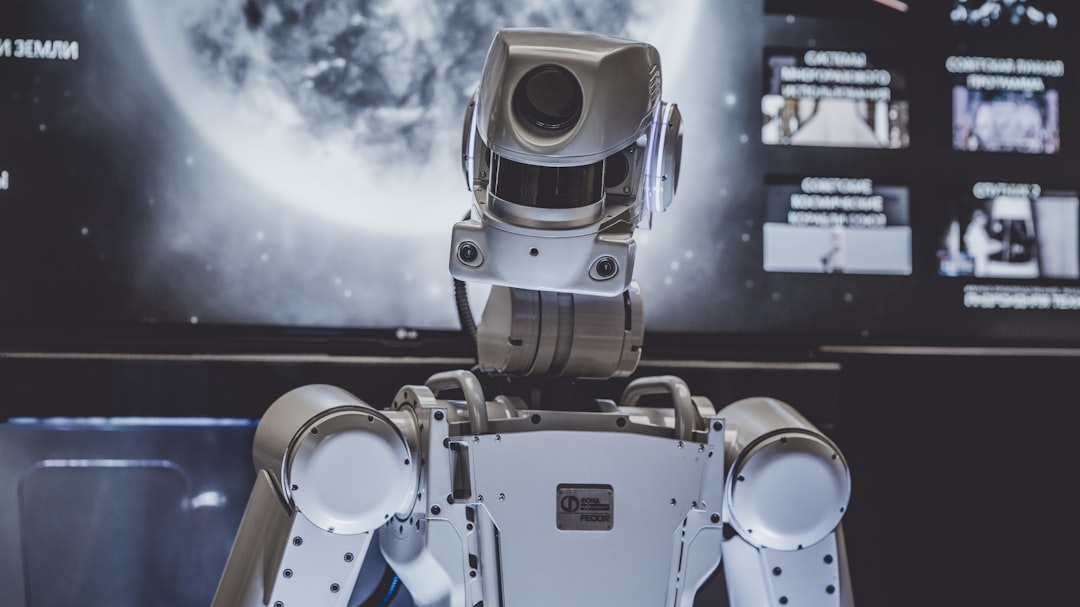
In the near future, the aerospace industry may witness a significant transformation as more companies adopt robotic technologies similar to Northrop’s MRV. This could lead to a more efficient and cost-effective approach to satellite maintenance, ultimately benefiting the entire industry.
The implications of these shifts extend beyond just job roles; they also raise questions about the future of work in the aerospace sector. As automation becomes more prevalent, the industry must navigate the complexities of integrating new technologies while ensuring that the workforce is prepared for these changes.
As Northrop Grumman continues to lead the way in robotic innovations for satellite maintenance, the aerospace community will be watching closely. The success of the MRV could pave the way for a new era of satellite operations, where automation and robotics redefine the boundaries of what is possible in space.
Continuous learning and professional development will be crucial as the industry shifts towards more automated solutions.
Frequently Asked Questions
What skills do robotics engineers need for satellite maintenance?
Robotics engineers focused on satellite maintenance will need expertise in robotics, automation, and control systems. Familiarity with satellite technology and the ability to work with advanced robotic systems will also be essential as the industry evolves.
How can satellite maintenance specialists prepare for automation in their field?
Satellite maintenance specialists can prepare for automation by gaining skills in robotic systems and understanding how to integrate these technologies into existing workflows. Continuous learning and professional development will be crucial as the industry shifts towards more automated solutions.
What should robotics engineers do about the rise of robotic mechanics in aerospace?
Robotics engineers should focus on enhancing their skills in areas such as artificial intelligence, machine learning, and automated systems. Staying updated with industry trends and advancements will be important for maintaining a competitive edge in the evolving aerospace landscape.
Related Articles
Written by Career Ahead AI. AI can make mistakes, so verify key facts. Report errors to support@careeraheadonline.com.