No products in the cart.

Nvidia has a robot partner. It isn’t Tesla.
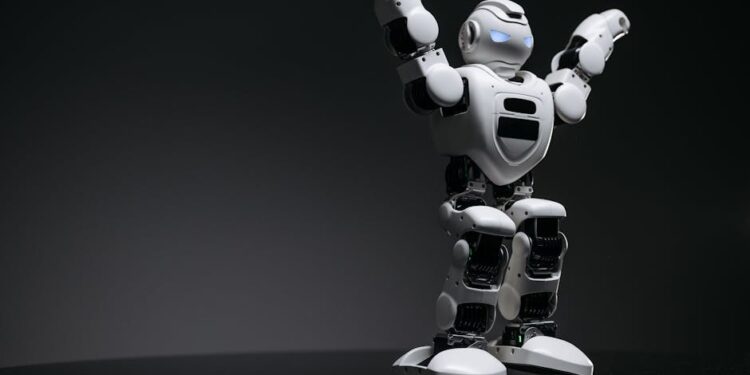
Nvidia's new partnerships with robotics firms aim to revolutionize humanoid robots, enhancing labor capabilities across industries and creating significant economic opportunities.

Nvidia has announced a groundbreaking partnership with several robotics firms to accelerate the development of humanoid robots. This announcement was made during COMPUTEX 2026 in Taiwan, where Nvidia unveiled plans to create an open humanoid robot reference design built on its Isaac GR00T platform. This platform integrates the Unitree H2 Plus humanoid robot and Sharpa’s dexterous five-fingered hands, powered by NVIDIA’s Jetson Thor hardware for advanced reasoning and control.
This initiative positions Nvidia as a key player in the competitive landscape of AI and robotics. Nvidia CEO Jensen Huang emphasized that humanoid robots could significantly enhance labor capabilities across various industries, creating a multitrillion-dollar economic opportunity. The shift towards humanoid robotics is not only about technological advancement but also about redefining labor dynamics in sectors ranging from manufacturing to healthcare.
Emerging Robotics Partnerships Redefining AI Development
Nvidia’s collaboration with robotics companies marks a significant trend in the industry. By partnering with established entities like Unitree and Sharpa, Nvidia is not just pushing the boundaries of robotics but also fostering a collaborative environment for innovation. This partnership allows for the integration of advanced AI systems with physical robots, enabling them to perform complex tasks that were previously thought to be the domain of humans.
The company is also working with other global robotics leaders to ensure a diverse ecosystem for humanoid robot development.
According to a report from Edge AI and Vision Alliance, Nvidia’s approach is part of a broader strategy to make physical AI accessible to various industries. The collaboration aims to create robots that are not only intelligent but also capable of physical interaction with their environments. This is crucial for applications in logistics, healthcare, and even personal assistance, where robots must navigate complex and dynamic settings.
You may also like
 AI & Technology
DeepSeek Closes AI Gap with US Rivals to 3%
Chinese AI firm DeepSeek has successfully narrowed the performance gap with leading US AI models to just 3%, signaling a significant shift in the global…
Read More →Furthermore, Nvidia’s partnerships extend beyond just hardware integration. The company is also working with other global robotics leaders to ensure a diverse ecosystem for humanoid robot development. This collaborative spirit is crucial as it allows for shared knowledge and resources, which can accelerate the pace of innovation and reduce costs associated with developing advanced robotic systems. As noted by Reuters, Nvidia is expanding its collaborations not only with Chinese firms like Unitree but also with US and European humanoid robot makers, indicating a strategic move to establish a global footprint in the robotics sector.
Career Ahead’s analysis finds that this trend towards collaboration is likely to create new roles and opportunities for robotics engineers and AI researchers. As companies like Nvidia and Unitree push the envelope in humanoid robotics, engineers will need to adapt and expand their skill sets to meet the demands of this evolving field. The emphasis on interdisciplinary knowledge will be paramount, as the integration of AI with robotics requires a comprehensive understanding of both domains.
Impact on AI Integration in Robotics
The integration of AI into robotics is set to transform how industries operate. Nvidia’s humanoid robots are designed to leverage advanced AI capabilities, enabling them to learn from their environments and improve their performance over time. This is a significant leap forward from traditional robotic systems that rely on pre-programmed instructions.
The seamless integration of humanoid robots into existing systems could lead to increased efficiency and productivity, allowing businesses to capitalize on the strengths of both human workers and robotic systems.
According to a report from Reuters, Nvidia’s strategy includes not only enhancing the capabilities of humanoid robots but also ensuring that these robots can be easily integrated into existing workflows. This focus on adaptability is crucial for industries that are hesitant to adopt new technologies due to concerns about compatibility and disruption. The seamless integration of humanoid robots into existing systems could lead to increased efficiency and productivity, allowing businesses to capitalize on the strengths of both human workers and robotic systems.
You may also like
 AI & Technology
Temple Evaluates Pilot Fitness for Air Force Use
Deepinder Goyal's Temple wearable aims to enhance pilot safety by monitoring brain blood flow in real-time, potentially transforming aviation health assessments.
Read More →
The implications for AI researchers are profound. As Nvidia and its partners develop more sophisticated robots, there will be a growing need for researchers who can innovate in AI algorithms that enable these robots to function effectively in real-world scenarios. This includes everything from improving machine learning models to enhancing sensory perception and decision-making capabilities. The demand for engineers who can design and implement these AI systems will increase. Robotics engineers will need to be well-versed in both hardware and software aspects of robotics, as the lines between these disciplines continue to blur. The ability to work with AI frameworks and understand robotic kinematics will become essential for those looking to thrive in this new landscape.
As Nvidia’s partnerships progress, the expectation is for rapid advancements in humanoid robotics. This could lead to a new wave of automation across various sectors, fundamentally changing job roles and the skills required in the workforce. The potential for job displacement due to automation is a concern that industries must address proactively, ensuring that workers are equipped with the necessary skills to adapt to this new technological landscape.
The collaboration between Nvidia and robotics firms is set to create numerous opportunities for professionals in the field. As the demand for humanoid robots increases, so too will the need for skilled engineers who can design, build, and maintain these systems. The projected growth in this sector suggests that robotics engineering will become one of the most sought-after professions in the coming years.
Furthermore, the competitive landscape is expected to evolve, with new startups entering the market and established companies ramping up their robotics divisions. This shift will create a vibrant ecosystem where innovation thrives, and professionals have the chance to work on cutting-edge projects that push the boundaries of what robots can achieve. Career Ahead’s research identifies that as more companies adopt humanoid robots, there will be a significant increase in job postings for robotics engineers, AI specialists, and related roles. This trend will likely lead to the emergence of specialized training programs and educational pathways focused on robotics and AI integration.
This shift will create a vibrant ecosystem where innovation thrives, and professionals have the chance to work on cutting-edge projects that push the boundaries of what robots can achieve.
The implications of these developments extend beyond job creation. As humanoid robots become more prevalent, industries will need to consider ethical and regulatory frameworks to govern their use. This will require professionals who not only understand the technology but also the societal impacts of deploying robots in various settings. The ethical considerations surrounding AI and robotics, including issues of privacy, security, and job displacement, will be critical topics for discussion as the industry evolves.
You may also like
 AI & Technology
AI Interviewing Transforms Future Hiring Landscape
HackerRank's AI interviewer, Chakra, is transforming recruitment by streamlining the hiring process and emphasizing critical thinking and problem-solving skills in candidates.
Read More →Looking forward, the next few years will be crucial in shaping the future of robotics and AI. As Nvidia and its partners continue to innovate, the industry will watch closely to see how these advancements will redefine productivity and labor dynamics globally. The potential for humanoid robots to transform industries is immense, and the collaborative efforts between Nvidia and robotics firms will play a pivotal role in realizing this vision.