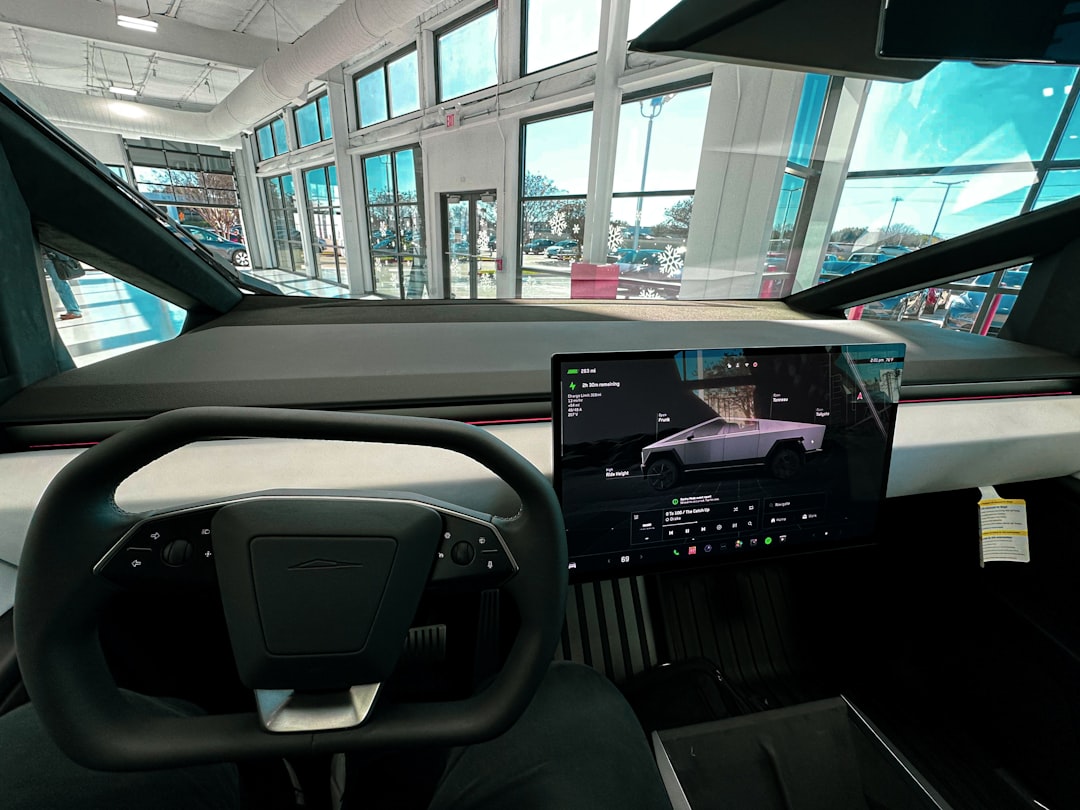
Nvidia unveils self-driving car tech as it seeks to power more products with AI
Las Vegas, USA — Nvidia has made headlines at the CES 2026 technology conference with the unveiling of its innovative self-driving car platform, Alpamayo. This new technology aims to revolutionize how autonomous vehicles operate by integrating advanced artificial intelligence (AI) capabilities. Nvidia's CEO, Jensen Huang, emphasized the platform's ability to…
Las Vegas, USA — Nvidia has made headlines at the CES 2026 technology conference with the unveiling of its innovative self-driving car platform, Alpamayo. This new technology aims to revolutionize how autonomous vehicles operate by integrating advanced artificial intelligence (AI) capabilities. Nvidia’s CEO, Jensen Huang, emphasized the platform’s ability to allow cars to reason through complex driving scenarios, enhancing safety and decision-making on the road. As the world’s leading chip maker, Nvidia is now shifting focus towards embedding AI into more physical products, marking a significant evolution in the automotive industry.
The launch of Alpamayo comes at a pivotal moment as tech giants increasingly seek to implement AI in tangible applications. While Nvidia has long been recognized for its contributions to AI software, the emphasis on hardware solutions like self-driving cars signals a new era. Huang’s vision is ambitious: he foresees a future where every vehicle on the road is autonomous. The partnership with Mercedes to develop a driverless car powered by Alpamayo is a clear indication of this direction, with plans to release the vehicle in the US shortly and expand to Europe and Asia.
As companies like Nvidia pivot towards physical AI technologies, the implications for careers in tech and automotive sectors are profound. The demand for professionals skilled in AI, machine learning, and robotics is expected to surge. This shift not only opens new job opportunities but also necessitates a reevaluation of existing skill sets. For tech workers, particularly those in regions like Silicon Valley, this could mean a competitive edge for those who adapt quickly to these advancements.
Why Nvidia’s Self-Driving Tech Matters Now
Nvidia’s introduction of the Alpamayo platform represents a significant leap in the self-driving car industry. By enhancing vehicles’ cognitive abilities, this technology could change how we view transportation. The ability for cars to explain their driving decisions and navigate complex environments is groundbreaking. This capability is critical, especially in urban settings where unpredictable conditions are common.
The demand for professionals skilled in AI, machine learning, and robotics is expected to surge.
The timing of this announcement is crucial. With rising interest in autonomous vehicles, Nvidia is positioning itself as a leader in this emerging market. The company’s commitment to developing a robust AI-driven platform could set new industry standards, influencing competitors and shaping future regulations. As Huang noted, the project is a major shift for Nvidia, transitioning from a primarily computational role to becoming a vital platform provider for physical AI ecosystems.
Microsoft has unveiled new PCs powered by Nvidia's RTX Spark chip and an updated Windows 11, enhancing AI capabilities for developers and researchers. This shift…
Moreover, the open-source nature of Alpamayo allows researchers and developers to access and retrain the model freely. This collaborative approach could foster innovation within the industry, as more players contribute to refining autonomous vehicle technologies. The implications for job seekers in tech are clear: skills in AI development, machine learning, and software engineering will be increasingly valuable.
As Nvidia forges ahead with its plans, the potential impact on tech salaries and job roles cannot be ignored. According to recent research, positions that require expertise in AI and autonomous systems are likely to see significant salary increases. For instance, AI engineers in major tech hubs could expect raises of up to 30% as demand outpaces supply. This trend underscores the importance of continuous learning and skill enhancement in a rapidly evolving job market.
Preparing for Opportunities in AI and Automotive Tech
As Nvidia’s self-driving technology gains traction, professionals in the tech and automotive sectors should take proactive steps to position themselves for emerging opportunities. Here are some actionable strategies to consider:
Upskill in AI and Machine Learning: Enroll in online courses or bootcamps focused on AI and machine learning. Platforms like Coursera and Udacity offer specialized programs that can enhance your knowledge and skills.
Network with Industry Professionals: Attend industry conferences, webinars, and local meetups to connect with professionals in the AI and automotive fields. Networking can lead to job opportunities and collaborations.
Stay Informed on Industry Trends: Regularly read industry publications and follow thought leaders on social media to keep abreast of the latest developments in autonomous technology and AI applications.
Consider Certification: Pursuing certifications in AI or automotive technology can make your resume stand out. Look for recognized programs from reputable institutions.
However, experts warn that while the excitement around self-driving technology is palpable, the road to widespread adoption may be fraught with challenges. According to industry analysts, regulatory hurdles and public skepticism about safety could slow down the rollout of autonomous vehicles. Moreover, the complexity of developing reliable AI systems that can handle every possible driving scenario remains a significant barrier. As Paolo Pescatore from PP Foresight states, “The long tail of real-world driving situations presents a daunting challenge that must be addressed before these technologies can be fully trusted.”
OpenAI's GPT-6 introduces an Intelligent UI that enhances chatbot interactivity, making complex topics easier to understand. This shift demands new design principles from UX designers…
This trend underscores the importance of continuous learning and skill enhancement in a rapidly evolving job market.
The Future of Autonomous Vehicles with Nvidia’s Technology
The future of autonomous vehicles is poised for transformation with Nvidia’s Alpamayo platform at the forefront. As the technology matures, we can expect to see a more significant integration of AI in everyday driving experiences. This could lead to safer roads and more efficient transportation systems.
Moreover, as companies like Nvidia continue to innovate, the job landscape will evolve. New roles focused on AI ethics, safety testing, and regulatory compliance will likely emerge. For those already in the tech industry, adapting to these changes will be crucial to staying relevant.
As we look ahead, one question remains: How will you prepare for the new opportunities that Nvidia’s self-driving technology will create in the coming years?
Written by Career Ahead AI. AI can make mistakes, so verify key facts. Report errors to support@careeraheadonline.com.
Career Ahead AI is Career Ahead Magazine's in-house AI newsroom, reporting on careers, education, jobs and business. It produces original summaries and analysis drawn from publicly available sources, with those sources credited, and operates under the editorial oversight of the Career Ahead team. AI can make mistakes, so please tell us when something looks wrong. Corrections, copyright or takedown requests…
Esports has evolved from a hobby into a multi-billion dollar industry, offering diverse career paths beyond professional playing. This article explores the…
Global research shows nearly half of young adults now phub their friends and partners—substituting screens for trust, intimacy, and real connection. The…



 AI & Technology
AI & Technology