


In the United States, concerns about artificial intelligence (AI) and its impact on jobs are rising. During a recent discussion, Nvidia CEO Jensen Huang stated that AI is not a threat to employment but a catalyst for job creation. His remarks come at a time when many workers fear losing their jobs to automation.
Huang spoke during an event hosted by the Milken Institute, where he addressed the anxiety surrounding AI’s rapid development. He emphasized that AI is an industrial-scale job creator, countering the narrative that automation leads to mass unemployment. According to Huang, while specific tasks may be automated, the overall demand for human workers will remain strong.
AI’s Role in Job Transformation
Huang’s perspective suggests that AI will transform the job landscape rather than eliminate it. He explained that the technology creates new roles that did not exist before. For instance, the demand for AI engineers, data scientists, and technicians is surging as companies invest in AI infrastructure.
Furthermore, Huang pointed out that as AI takes over routine tasks, it allows workers to focus on more complex and creative aspects of their jobs. This shift could lead to more fulfilling work experiences, as individuals engage in tasks that require critical thinking and creativity.
According to a report from Fortune, Huang believes that the engineering field will thrive in the AI era. He encourages young professionals to pursue careers in technology and engineering, as these areas will drive the next industrial revolution.
Confronting Job Security Concerns
Despite Huang’s optimistic outlook, many workers remain apprehensive about the future. A survey indicated that nearly 15% of jobs in the U.S. could be disrupted by AI in the coming years. This statistic has fueled fears among employees about job security and economic inequality.
He encourages young professionals to pursue careers in technology and engineering, as these areas will drive the next industrial revolution.
Huang acknowledged these concerns but reiterated that the narrative surrounding AI is often exaggerated. He criticized the “doomer” rhetoric that suggests AI will lead to widespread job loss. Instead, he argued that this fear could hinder innovation and discourage individuals from engaging with AI technologies.
 AI & Technology
Barclays Cuts 5,000 Jobs as AI Drives Cost Savings
Barclays will cut 5,000 jobs, about 5% of its workforce, with 60% in support roles. The cuts are driven by AI advances.
Read More →Moreover, Huang pointed out that the AI industry itself needs to communicate its benefits more effectively. By highlighting the potential for job creation and economic growth, the industry can help alleviate fears and encourage a more positive view of AI.
Economic Opportunities in AI
The economic implications of AI are significant. Huang believes that AI could be the key to re-industrializing the United States. As companies invest in AI technologies, there is potential for job growth in manufacturing, engineering, and technology sectors.
According to CNBC, Huang stated that the market has misunderstood the impact of AI on various industries. He argued that rather than seeing AI as a threat, businesses should view it as an opportunity to enhance productivity and create new revenue streams.
As companies adapt to AI technologies, they may discover new ways to innovate and improve their operations. This shift could lead to increased competitiveness and economic growth, benefiting both businesses and workers.
This shift could lead to increased competitiveness and economic growth, benefiting both businesses and workers.

Preparing for an AI-Driven Workforce
The long-term outlook for workers in an AI-driven economy remains uncertain. While Huang is optimistic about job creation, the transition may not be smooth for everyone. Workers in industries heavily impacted by automation may face challenges as they adapt to new roles.
Training and education will play a crucial role in preparing the workforce for the changes ahead. Huang emphasizes the importance of skill development in technology and engineering to ensure that workers remain relevant in the job market.
 AI & Technology
Universities Face Calls to Prepare Students for Creator-Economy Jobs
The creator economy spans entertainment, education, advertising, gaming, e-commerce, media and technology, with work built through collaboration.
Read More →As the demand for AI skills grows, educational institutions and companies must collaborate to provide training programs. This investment in human capital will be essential for navigating the evolving job landscape.
Emphasizing the Human Element
While technology plays a significant role in the future of work, the human element cannot be overlooked. Huang argues that AI should complement human capabilities, rather than replace them. The most successful organizations will be those that find ways to integrate AI into their operations while valuing the contributions of their employees.
Huang’s vision for the future includes a harmonious relationship between humans and AI. He believes that as AI takes on repetitive tasks, humans will be free to pursue more meaningful work. This shift could enhance job satisfaction and overall productivity.
The challenge lies in ensuring that workers are equipped with the skills needed to succeed in an AI-driven world.

In this context, companies need to foster a culture of innovation and collaboration. By encouraging employees to embrace AI technologies and explore new opportunities, organizations can thrive in an increasingly competitive landscape.
As the conversation around AI continues to evolve, the focus will shift from fear to opportunity. The challenge lies in ensuring that workers are equipped with the skills needed to succeed in an AI-driven world.
As AI continues to advance, how will industries adapt to harness its potential while ensuring job security for workers? The next few years will be critical in shaping the future of work in the age of AI.
 AI & Technology
Microsoft Unveils AI-Optimized PCs with Nvidia Technology
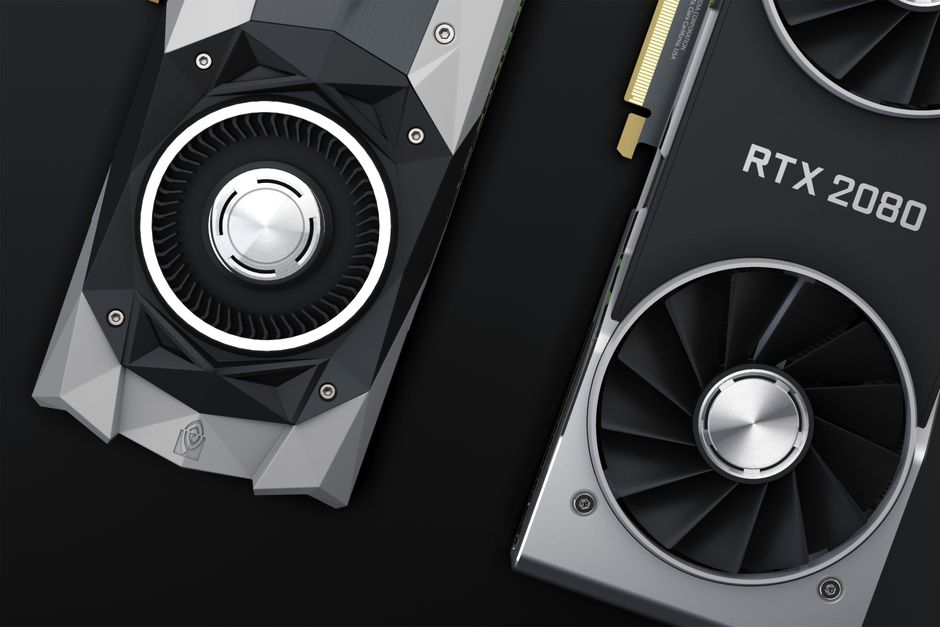
Microsoft has unveiled new PCs powered by Nvidia's RTX Spark chip and an updated Windows 11, enhancing AI capabilities for developers and researchers. This shift…
Read More →Written by Career Ahead AI. AI can make mistakes, so verify key facts. Report errors to support@careeraheadonline.com.





