Corporate dress codes are undergoing a significant transformation as the debate over wearing shorts in the workplace gains momentum. In August 2026, discussions intensified around this topic, with various stakeholders weighing in on the appropriateness of shorts in professional settings. This shift is driven by changing office cultures, warmer climates, and evolving fashion trends.
Supporters argue that shorts can be professional when styled correctly, while detractors maintain that traditional business attire remains the gold standard. This division reflects broader societal changes regarding comfort and professionalism in the workplace. As noted by Chris Rovzar from Bloomberg, the evolving nature of workplace dress codes responds to the increasing demand for comfort and flexibility from employees, particularly in warmer climates.
Global Perspectives on Casual Attire
The debate over shorts in the office is not isolated to one region. In Japan, a new policy allowing shorts during the summer has sparked discussions about workplace norms. As reported by the New York Times, this initiative aims to combat oppressive heat while maintaining professionalism. The policy has received mixed reactions, with some employees welcoming the change for comfort, while others argue it undermines traditional business attire standards. The Tokyo government’s initiative, known as the ‘Cool Biz’ campaign, encourages workers to dress more casually during the hot summer months, reflecting a growing acceptance of comfort in the workplace.
In the U.S., companies are also re-evaluating their dress codes. A survey found that many employees feel more productive when allowed to dress casually, including wearing shorts. This sentiment is echoed in findings from Today.com, which highlights that a significant portion of workers believes that relaxed dress codes can enhance creativity and job satisfaction. The survey revealed that nearly 60% of respondents felt that a more casual dress code would positively impact their work performance, indicating a strong desire for flexibility in professional attire.
The survey revealed that nearly 60% of respondents felt that a more casual dress code would positively impact their work performance, indicating a strong desire for flexibility in professional attire.
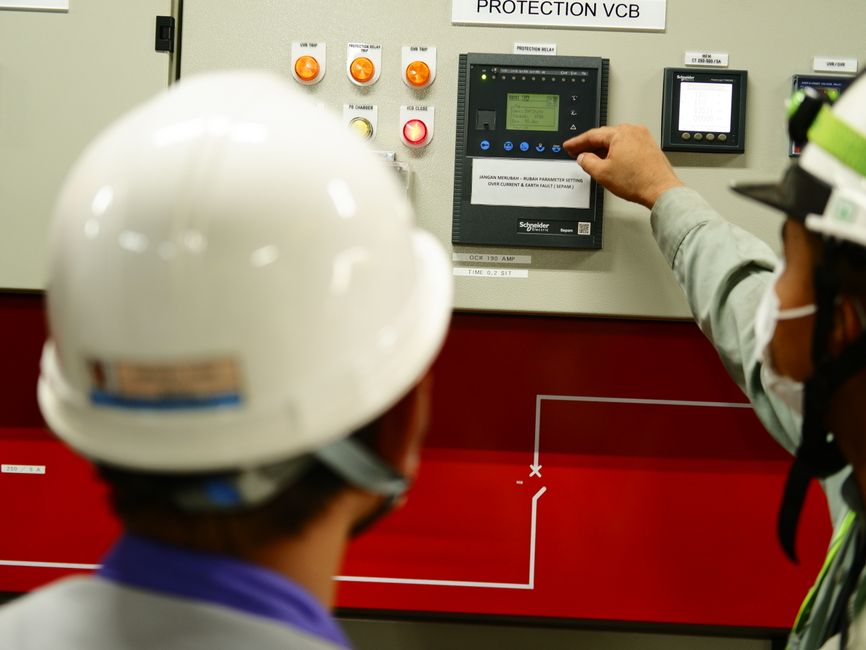
Schneider Electric's aggressive investments in automation are reshaping the industry landscape in Europe. This shift is set to create significant job opportunities for automation engineers…
Fashion designers are increasingly catering to this trend, creating collections that blend comfort with professionalism. As a result, shorts are being tailored to fit a more polished aesthetic, allowing employees to express their individuality while adhering to company standards. Designers are now producing shorts that can be paired with blazers or dress shirts, effectively bridging the gap between casual and formal attire. This shift not only reflects changing consumer preferences but also highlights the influence of social media in shaping workplace fashion norms.
Employee Morale and Inclusivity
The acceptance of shorts in the workplace could have profound implications for employee morale. Career Ahead’s analysis indicates that when employees feel comfortable in their attire, it can lead to increased job satisfaction and productivity. This is particularly important in industries where creativity and innovation are key drivers of success. A relaxed dress code can foster a sense of belonging and inclusivity, which is essential for maintaining high morale among employees.
Moreover, HR policies that adapt to these changing perceptions can foster a more inclusive work environment. By allowing employees to wear shorts, companies signal that they value employee comfort and well-being, which can enhance loyalty and reduce turnover. This is especially relevant for younger professionals who often seek workplaces that reflect their values and lifestyle choices. The Tokyo Weekender notes that the shorts debate in Japan has highlighted generational divides, with younger workers advocating for more casual attire while older generations cling to traditional business norms.
Navigating Change in Dress Codes
HR departments must navigate the complexities of implementing such changes. It is essential to establish clear guidelines that define acceptable attire while still allowing for personal expression. Organizations must consider the potential backlash from traditionalists who may view such changes as a decline in professional standards. This balancing act requires thoughtful communication and engagement with employees to ensure that any new policies are well-received and understood.
Ultimately, the challenge lies in finding a balance between comfort and professionalism. Companies that succeed in this endeavor may not only improve employee morale but also enhance their overall workplace culture, making it more dynamic and appealing. As the workplace continues to evolve, the acceptance of shorts and other casual attire may become a defining feature of modern corporate culture, reflecting broader societal shifts towards valuing comfort and individuality in professional settings.
The Indian stock market experienced a notable boost as the Sensex surged by 473 points and the Nifty gained 134 points, driven by softer-than-expected US…
This is especially relevant for younger professionals who often seek workplaces that reflect their values and lifestyle choices.
Frequently Asked Questions
What are the benefits of allowing shorts in the workplace?
Allowing shorts in the workplace can enhance employee comfort, leading to increased job satisfaction and productivity. It also reflects a more modern and flexible workplace culture that values personal expression.
How should HR handle dress code changes?
HR should establish clear guidelines that define acceptable attire while allowing for personal expression. Engaging employees in the process can help address concerns and ensure a smooth transition to more relaxed dress codes.
What should office workers consider when choosing to wear shorts to work?
Office workers should consider the company’s dress code policies and the appropriateness of shorts in their specific work environment. Choosing tailored shorts that maintain a professional appearance can help strike the right balance between comfort and professionalism.




 Industry & Global Trends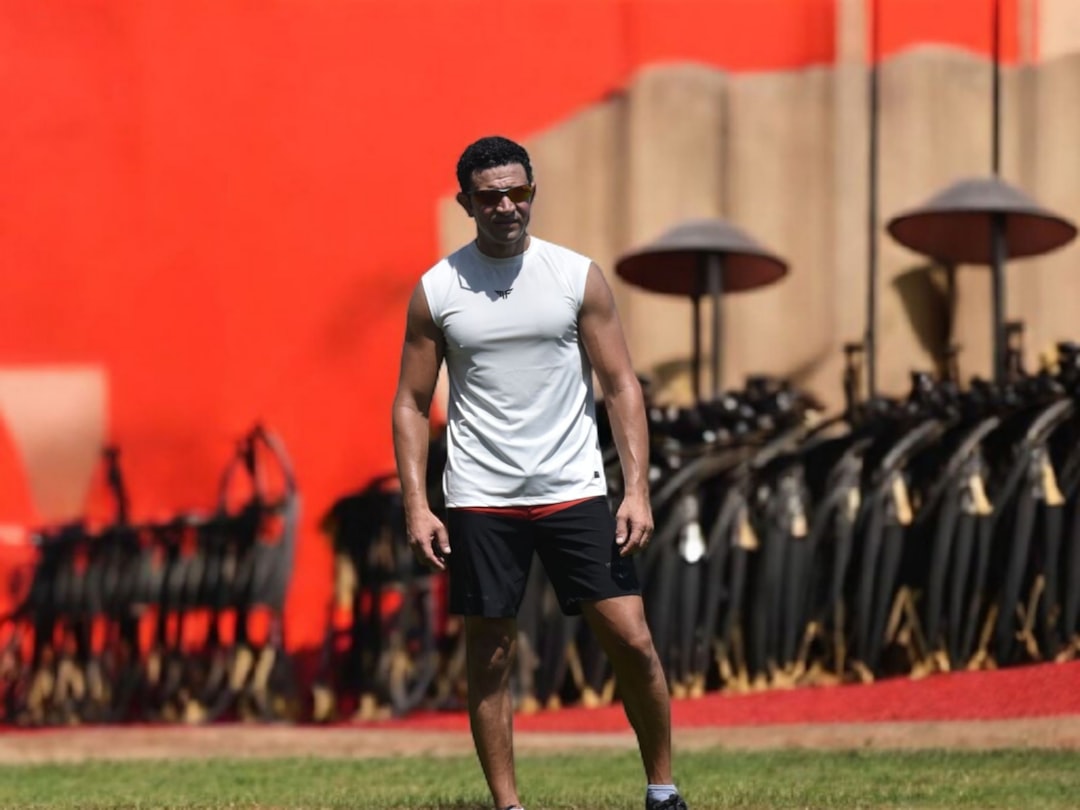
Industry & Global Trends