No products in the cart.

Oman Postpones Regional Talks on Hormuz Amid Rising Tensions
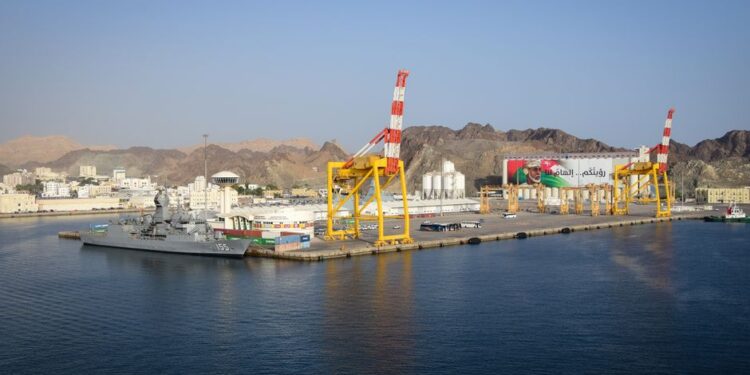
Oman's postponement of talks with Iran regarding the Strait of Hormuz underscores escalating regional tensions, impacting shipping logistics and international relations. Stakeholders must prepare for potential disruptions as geopolitical dynamics shift.

Oman has postponed a significant meeting with Iran and other regional countries that was intended to address the Strait of Hormuz, a crucial shipping corridor. Originally scheduled for September 14, 2026, the talks were delayed at the request of certain regional nations, as confirmed by Iran’s foreign ministry official, Mohammad Ali Bak. This decision comes amid escalating tensions in the region, characterized by attacks on shipping vessels and military confrontations involving Iranian-backed groups.
The postponement of these discussions is particularly noteworthy as it directly impacts shipping logistics and international relations strategies in the area. The Strait of Hormuz is a vital chokepoint for global oil and gas shipments, with approximately 20% of the world’s oil passing through it. The failure to hold these talks raises significant concerns regarding the security of this essential route and the potential for heightened geopolitical tensions.
Consequences for Shipping Routes
The delay in discussions about the Strait of Hormuz could have immediate repercussions for shipping routes. According to reports from Gulfnews.com, the meeting was intended to address security measures and the management of shipping in the strait. Increased military activity and threats to commercial vessels have already been reported. Without dialogue, shipping logistics managers may face heightened risks as tensions escalate, potentially leading to disruptions in shipping schedules and increased insurance costs.
Moreover, the implications extend beyond immediate shipping concerns. The United Kingdom Maritime Trade Operations has documented incidents of vessels being struck while transiting the strait, creating uncertainty for shipping companies. Such unpredictability may compel firms to reroute vessels or incur additional costs to implement enhanced security measures. Without a clear resolution or cooperative framework, shipping companies may find themselves navigating a volatile operational environment.
Shipping logistics managers must also consider the economic ramifications of these delays. As tensions rise, countries may respond with stricter regulations or trade policies, complicating logistics operations further. The ongoing conflict in Yemen, where Houthi rebels have targeted Saudi Arabia, adds another layer of complexity. Regional stability is essential for safe maritime operations, and the potential for retaliatory actions could disrupt established shipping routes and impact global supply chains.
Without a clear resolution or cooperative framework, shipping companies may find themselves navigating a volatile operational environment.
Regional Trade Policy Shifts
You may also like
 News
NewsBloomberg This Weekend Highlights Unusual Network Activity Alerts
The recent Bloomberg report on unusual network activity alerts underscores a critical issue for digital marketing professionals. With increasing cybersecurity threats, teams must enhance their…
Read More →The postponement of the Oman-Iran talks signals potential shifts in regional trade policies that could have far-reaching effects on international relations. As tensions escalate, countries within the Gulf Cooperation Council (GCC) may adopt more protective trade measures. Reports indicate that Saudi Arabia has submitted amendments to the Iran-Oman agreement, expressing concerns that the emerging deal could adversely affect other GCC nations. This suggests a shift in regional dynamics, with countries becoming increasingly cautious about their economic ties with Iran.
Such shifts could lead to a fragmented trading environment, where countries prioritize national interests over regional cooperation. Increased tariffs, trade barriers, and regulatory changes may complicate logistics and shipping operations. For logistics managers, understanding these dynamics will be crucial for navigating the evolving landscape of international trade in the region.
Furthermore, the geopolitical tensions stemming from the postponement could exacerbate existing conflicts. The recent missile attacks by Iranian-backed Houthi rebels on Saudi Arabia underscore the fragility of peace in the region. If hostilities escalate, shipping routes may become targets, further complicating logistics operations. The risk of military confrontations could deter shipping companies from operating in the region, leading to increased costs and potential shortages of goods.

Strategic Planning for Shipping Logistics Managers
The postponement of the Oman-Iran talks presents a complex scenario for shipping logistics managers. As geopolitical tensions rise, the future of shipping in the Strait of Hormuz remains uncertain. This uncertainty necessitates a strategic approach to logistics planning, emphasizing risk assessment and contingency measures. Companies must develop adaptive strategies to account for potential disruptions in shipping routes.
Additionally, the changing geopolitical landscape may foster new partnerships or alliances among regional players. Shipping logistics managers should closely monitor these developments, as they could present opportunities for collaboration or the establishment of new trade routes. The ability to pivot quickly in response to changing circumstances will be vital for maintaining operational efficiency.
Shipping logistics managers should closely monitor these developments, as they could present opportunities for collaboration or the establishment of new trade routes.
You may also like
 News
NewsScammers Target Remote Workers with OTP and Fake Job Scams
Remote workers are increasingly targeted by sophisticated scams involving fake job offers and OTP requests. Understanding these tactics is crucial for freelancers and digital marketers…
Read More →Moreover, leveraging technology to enhance shipping security is increasingly important. Investments in advanced tracking systems, risk assessment tools, and communication technologies will be essential for navigating maritime operations in a tense geopolitical environment. Companies that effectively utilize technology may gain a competitive edge in managing risks and ensuring timely deliveries.

Preparing for Future Disruptions
In summary, the postponement of Oman-Iran talks highlights the intricate relationship between shipping logistics and international relations. As tensions in the region evolve, logistics managers must remain vigilant and adaptable to ensure the security and efficiency of their operations. Enhanced contingency planning, risk assessment, and proactive engagement with regional stakeholders will be crucial in mitigating potential disruptions.
Frequently Asked Questions
What are the implications of the Hormuz talks delay for shipping logistics?
The delay in talks about the Strait of Hormuz raises concerns about the security of shipping routes. Shipping logistics managers may face increased risks and costs due to heightened geopolitical tensions in the region.
Staying informed about regional developments and maintaining open communication with stakeholders will be crucial for navigating potential disruptions.

How might regional tensions affect international relations strategies?
Regional tensions can lead to shifts in trade policies and protective measures among Gulf Cooperation Council countries. This could complicate logistics operations and require managers to adapt their strategies to navigate the changing landscape.
What should shipping managers do to prepare for potential disruptions in the Strait of Hormuz?
Shipping managers should enhance their contingency planning by assessing risk exposure and diversifying shipping routes. Staying informed about regional developments and maintaining open communication with stakeholders will be crucial for navigating potential disruptions.
You may also like
 News
NewsU.S. Stocks Climb as Weak Jobs Data Lowers Rate Hike Expectations
U.S. stocks rose following a weak jobs report that tempered expectations for Federal Reserve interest rate hikes. This shift in market sentiment is crucial for…
Read More →