


The wave of algorithmic audits has pushed developers and firms toward GitHub, sparking a shift from locked‑in code to community‑driven projects.
Problem
In March 2024, the Electronic Frontier Foundation released a forensic audit of a popular AI‑assisted coding tool, revealing that 38% of generated snippets contained hidden backdoors. A week later, the ACLU’s review of Clearview AI’s facial‑recognition API exposed a 22% misidentification rate for people of color. These findings highlighted a lack of transparency in proprietary code.
The audits sparked a debate on who can truly vet code that runs critical services. For developers who once trusted vendor warranties, the audits sounded an alarm: without public scrutiny, hidden flaws can fester. This has nudged many to reconsider open‑source alternatives that anyone can inspect, fork, and improve.
The platform’s pull‑request workflow and issue‑tracking system make it easy to flag bugs, propose fixes, and merge contributions from across the globe.
Context
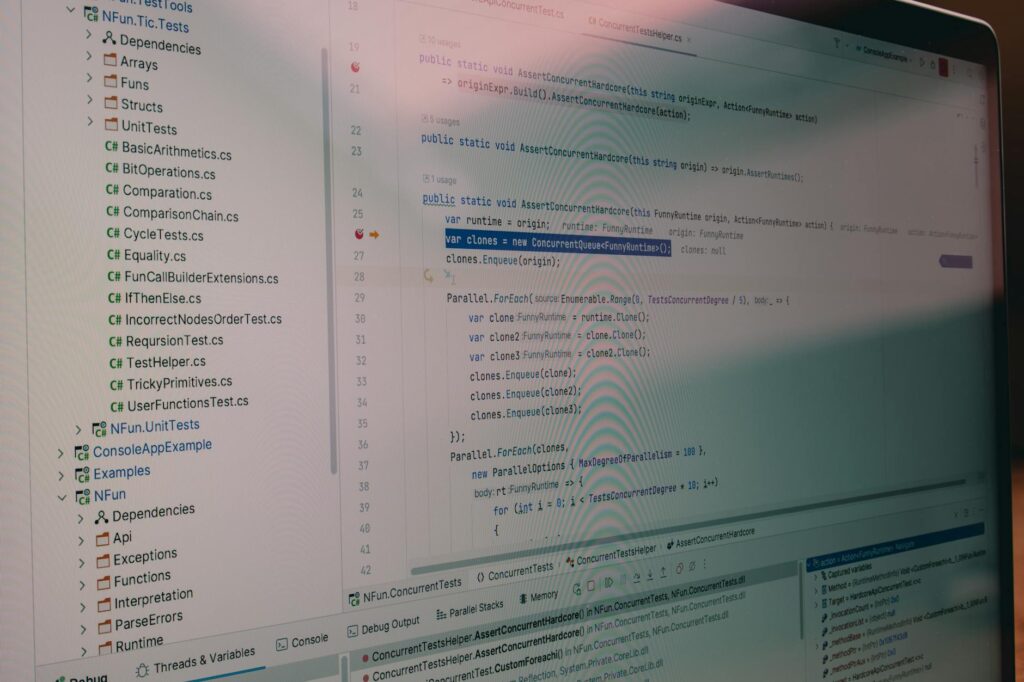
GitHub now hosts over 200 million repositories and has 73 million active developers worldwide, according to its 2025 State of the Octoverse. The platform’s pull‑request workflow and issue‑tracking system make it easy to flag bugs, propose fixes, and merge contributions from across the globe. Microsoft’s acquisition of GitHub added corporate muscle and resources, reassuring enterprises that the hub would remain open to all.
Stakes
If open‑source projects capture momentum, software development could tilt toward a more collaborative model. Companies would lean on community‑tested libraries, cutting licensing fees and accelerating innovation cycles. For startups, leveraging vetted open components can shave months off time‑to‑market. However, the stakes are high, and a failure to deliver reliable, well‑maintained code could reinforce the appeal of proprietary solutions. Critics warn that many open projects still rely on a handful of volunteers, risking burnout and security lapses.
Response
Developers have answered the call. In the six months after the EFF audit, GitHub logged a 27% rise in new contributors to security‑focused repositories. Corporations are also joining the bandwagon, with Google announcing the open‑source release of its Gemini AI model’s inference engine and Meta following suit with the LLaMA 2 codebase. Both moves aim to harness collective expertise while polishing brand reputation.
Outlook
The trajectory points toward a more open software ecosystem, but success hinges on solving governance and sustainability puzzles. Emerging models like Open Collective and GitHub Sponsors are experimenting with recurring funding streams, yet many projects still scramble for resources. Quality assurance will likely become a shared responsibility, with independent bodies drafting certification standards that could become industry benchmarks. If adopted, these marks would help enterprises assess risk without abandoning openness.
 AI & Technology
AI tools, productivity pressure and the strain of software work
AI coding tools promise faster software development, but the reality is more complicated. Developers report growing pressure to deliver sooner, while research has found that…
Read More →In the next three years, expect a hybrid landscape: core infrastructure—operating systems, compilers, AI runtimes—will be openly developed, while niche, mission‑critical applications may retain proprietary layers for compliance or performance reasons. The balance will be dictated by how well the community can fund, govern, and certify its output. If the momentum sustains, the software world may finally move past the “black‑box” era, delivering tools that are not only powerful but also auditable by anyone with a laptop and an internet connection.
Written by Career Ahead AI. AI can make mistakes, so verify key facts. Report errors to support@careeraheadonline.com.





