No products in the cart.

OpenAI Empowers Users to Customize ChatGPT’s Tone
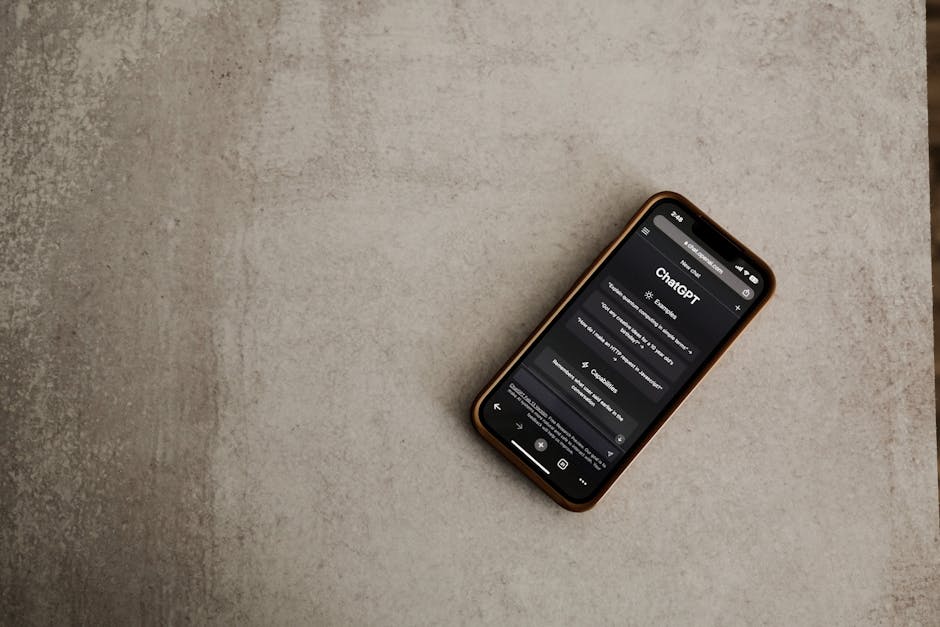
OpenAI has rolled out a feature that lets users adjust the warmth and enthusiasm of ChatGPT, providing a more personalized interaction.

San Francisco, USA — OpenAI has made a significant update to ChatGPT, allowing users to directly adjust the chatbot’s enthusiasm and warmth levels. This feature is designed to enhance user interaction by providing a more personalized experience. Users can now select from options like “More,” “Less,” or “Default” in the Personalization menu, tailoring the chatbot’s responses to match their preferences. This update not only reflects OpenAI’s commitment to user feedback but also addresses previous concerns regarding the tone of ChatGPT.
This change comes after OpenAI faced criticism for the tone of its chatbot, especially following the rollout of GPT-5. Some users found the new model to be less friendly and engaging than expected. In response, OpenAI has worked diligently to create a more adaptable tool. The ability to adjust tone adds to existing features that allow users to set a base style, including Professional, Candid, and Quirky tones, which were introduced just last month. This flexibility is particularly important as it caters to the diverse needs of users, from casual interactions to more formal inquiries.
The introduction of tone customization is not just a cosmetic change; it has profound implications for user engagement. By allowing users to modify how ChatGPT communicates, OpenAI is acknowledging the importance of emotional intelligence in AI interactions. This feature can help users feel more connected to the technology, making conversations feel more natural and less robotic. For professionals who rely on ChatGPT for tasks such as drafting emails, creating content, or generating ideas, the ability to adjust tone can lead to more effective communication.
Why Tone Customization Matters for Users
 Career Advice
Mastering Career Networking Events: A Comprehensive Guide
Learn how to effectively navigate career networking events with strategies for selection, preparation, and follow-up to maximize your opportunities.
Read More →Understanding the impact of tone in communication is crucial, especially in professional settings. A study by the Harvard Business Review highlights that emotional tone can significantly influence how messages are received. By enabling users to adjust ChatGPT’s tone, OpenAI is empowering them to create interactions that resonate better with their audience. For instance, a user drafting a proposal might prefer a more formal tone, while someone crafting a social media post may opt for a lighter, more enthusiastic style.
For professionals who rely on ChatGPT for tasks such as drafting emails, creating content, or generating ideas, the ability to adjust tone can lead to more effective communication.
Moreover, this feature addresses a growing concern about the mental health implications of AI interactions. Critics have pointed out that overly positive or enthusiastic tones can create unrealistic expectations and lead to dependency on technology for validation. By allowing users to choose their preferred level of enthusiasm, OpenAI is promoting healthier interactions. This customization can help mitigate feelings of anxiety or inadequacy that might arise from interactions with overly affirming chatbots.
Additionally, the rollout of this feature reflects a broader trend in technology towards personalization. As users become more accustomed to tailored experiences in other digital products, such as streaming services and social media platforms, they expect the same level of customization from AI tools. OpenAI’s proactive approach in this regard can set a precedent for other companies in the AI space, encouraging them to prioritize user preferences and emotional intelligence in their designs.
How Users Can Maximize ChatGPT’s New Features
To make the most of ChatGPT’s new tone customization, users should consider the following actionable steps:
 E-Commerce
Walmart’s Flying Ice Cream Delivery: A Taste of the Future
Walmart is pioneering the use of unmanned flying vehicles to deliver ice cream, marking a significant leap in logistics and…
Read More →- Experiment with different tones: Take the time to try out various settings to see how they affect responses. This will help you find the tone that best suits your needs for different contexts.
- Provide feedback: Utilize the feedback options available in the app. Sharing your experiences can help OpenAI refine the tool further and develop additional features that enhance user experience.
- Integrate ChatGPT into your workflow: Consider how adjusting the tone can improve your professional communications. For example, using a more formal tone for business emails and a casual tone for team chats can lead to clearer and more effective communication.
- Stay updated: Follow OpenAI’s announcements for future updates. As AI technology evolves, new features may emerge that can further enhance your interaction with ChatGPT.
However, some experts caution against over-reliance on AI tone adjustment features. They argue that while customization can enhance user experience, it may also lead to a disconnect from authentic human interactions. A recent study warns that excessive personalization might create echo chambers, where users only engage with viewpoints that reinforce their beliefs. This could hinder critical thinking and the development of diverse perspectives.
Integrate ChatGPT into your workflow: Consider how adjusting the tone can improve your professional communications.
The Future of Personalized AI Interactions
As OpenAI continues to innovate, the future of personalized AI interactions looks promising. The ability to adjust tone is just the beginning. Future developments may include more advanced emotional intelligence capabilities, allowing ChatGPT to not only respond in a preferred tone but also adapt its responses based on the user’s emotional state. Such advancements could revolutionize how we interact with technology, making it an even more integral part of our daily lives.
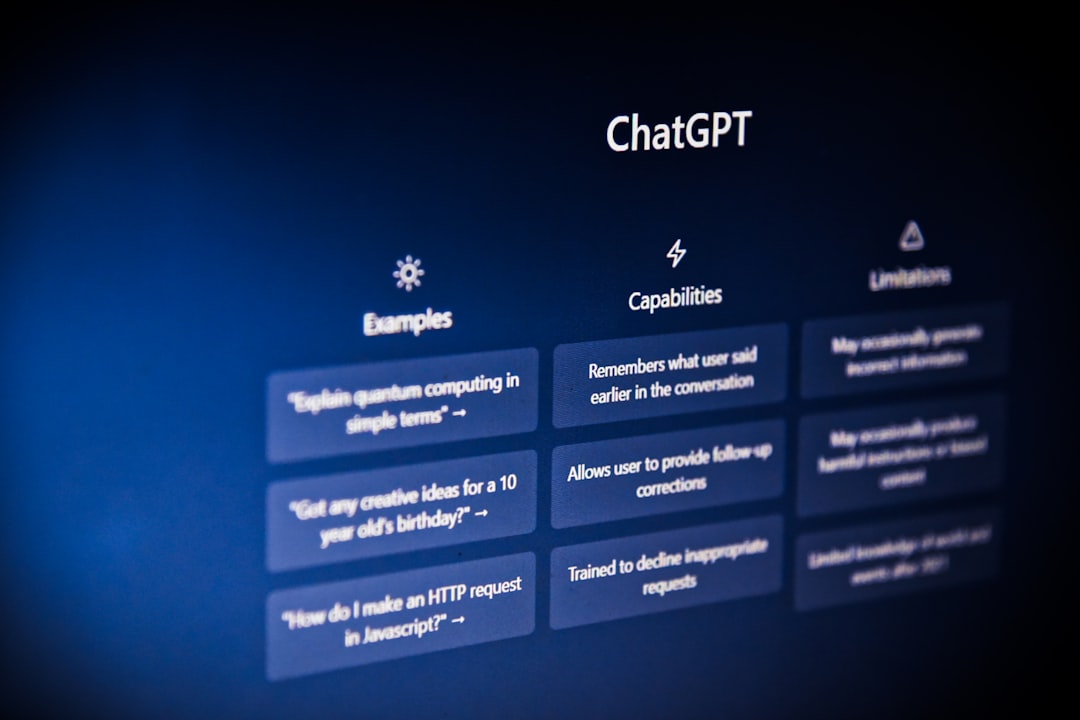
As we look ahead, one question remains: How will users leverage these new capabilities to enhance their communication and productivity in an increasingly digital world?