No products in the cart.

OpenAI Expands India Team for Voice Assistant Innovation

OpenAI's product lead for international growth, Abhi Muchhal, emphasized that India is not just a market but a vital testing ground for future AI products, particularly in voice technology.

India is becoming a focal point for OpenAI as it expands its engineering team to develop a personalized voice assistant. This initiative aims to enhance the understanding of diverse languages and cultural nuances, which are critical in creating effective AI systems. The expansion aligns with OpenAI’s broader goal of achieving artificial general intelligence (AGI) by ensuring its technology resonates with users in real-world contexts.
OpenAI’s product lead for international growth, Abhi Muchhal, highlighted the significance of this move, stating that India is not just a market but a crucial testing ground for future AI products. The company plans to leverage its presence in India to create a multilingual voice assistant capable of understanding various dialects and cultural contexts. This approach is seen as essential in a country where over 1,600 languages are spoken, making it a unique challenge for AI developers.
The company’s commitment to understanding local languages and cultures is evident in its recent activities. OpenAI opened its first office in India in August 2025 and plans to establish additional offices in Mumbai and Bengaluru in 2026. Currently, the company has fewer than 30 employees in India and has listed several open roles, including four engineering positions, indicating a growing demand for local talent. This recruitment drive is not only about filling positions but also about fostering a team that can bring authentic cultural insights into the development process.
As the competition intensifies within the AI sector, particularly against companies like Anthropic and Google, OpenAI’s focus on localization may provide a competitive edge. Industry experts suggest that success in India could set a precedent for global applications of AI technologies, making it imperative for companies to invest in cultural and linguistic understanding. According to a report by Mint, OpenAI’s strategy is not merely about expanding its workforce but about embedding local expertise into its product development, which could lead to more nuanced and effective AI interactions.
Why Localization Matters in AI Development
Career Ahead analysis finds that the demand for localization skills in AI development is increasing. Companies are recognizing that to create effective voice assistants, they must understand the intricacies of how people communicate in different languages and cultural contexts. This trend highlights a skill gap in the market, particularly for professionals who can bridge the divide between technology and local languages.
Why Localization Matters in AI Development Career Ahead analysis finds that the demand for localization skills in AI development is increasing.
You may also like
 AI & Technology
Three tensions reshaping AI curatorship in art exhibitions
Most readers will assume the headline means machines now replace human taste entirely. The reality is messier: algorithms amplify certain signals,...
Read More →Furthermore, the rise of AI-driven voice assistants has created new job opportunities for language engineers and cultural analysts. These professionals are essential in ensuring that AI systems can accurately interpret and respond to user inputs in a way that feels natural and intuitive. As OpenAI and other companies ramp up their efforts in this area, there will be a growing need for talent that can navigate the complexities of language and culture. The demand for such roles is underscored by the increasing recognition that cultural context can significantly influence user experience and satisfaction.
For instance, the development of IndQA, a benchmark for Indic languages, demonstrates OpenAI’s commitment to enhancing its understanding of local dialects. The tool aims to improve the performance of AI models in understanding and generating responses in various Indian languages. This initiative not only benefits the company but also contributes to the broader goal of making AI more accessible to diverse populations. As highlighted by BBC, the integration of cultural nuances into AI systems is crucial for their acceptance and effectiveness in real-world applications.
As AI technologies continue to evolve, the importance of localization will only increase. Professionals who can effectively integrate language skills with technical expertise will find themselves in high demand. This trend suggests a significant shift in the job market, where traditional roles may transform to include a focus on cultural awareness and language proficiency. The future of AI development will likely hinge on the ability to create systems that are not only intelligent but also culturally resonant.
OpenAI’s expansion in India is a clear indication of the changing landscape in the tech industry. Companies are now prioritizing the development of AI systems that can understand and interact with users in their native languages, which is crucial for adoption and user satisfaction. This shift represents a significant opportunity for professionals in the field to leverage their language skills in innovative ways. As noted in industry discussions, the intersection of AI and localization could lead to groundbreaking advancements in how technology interacts with diverse user bases.
Future Implications for Voice Technology
The implications of OpenAI’s expansion extend beyond immediate job opportunities. As the company invests in local talent and cultural understanding, it is likely to influence the broader AI landscape. The focus on multilingual capabilities and cultural nuances could lead to the development of more sophisticated voice assistants that can cater to a global audience. This is particularly relevant in a country like India, where the diversity of languages and cultures presents both challenges and opportunities for AI developers.
This shift represents a significant opportunity for professionals in the field to leverage their language skills in innovative ways.
Moreover, as OpenAI seeks to achieve AGI, the ability to communicate effectively across languages will be paramount. The company’s efforts in India may serve as a model for other tech firms looking to enhance their AI offerings. This could spur a wave of innovation in voice technology, prompting companies to rethink how they approach language and culture in their products. The potential for AI to bridge communication gaps in multilingual societies is immense, and OpenAI’s initiatives could pave the way for broader acceptance and integration of AI technologies.
You may also like
 AI & Technology
OpenAI’s $400 Gadget Aims to Disrupt Market
OpenAI's upcoming gadget, priced between $300 and $400, aims to disrupt the smart speaker market with innovative features and a focus on user experience, potentially…
Read More →Industry analysts predict that as more companies follow OpenAI’s lead, the demand for language engineers and cultural analysts will surge. This trend will likely reshape the job market, creating new roles that blend language skills with tech expertise. The next few years could see an influx of positions aimed at developing AI systems that are not only intelligent but also culturally aware. As highlighted by Bloomberg, the emphasis on localization is becoming a strategic priority for tech companies aiming to remain competitive in a rapidly evolving market.
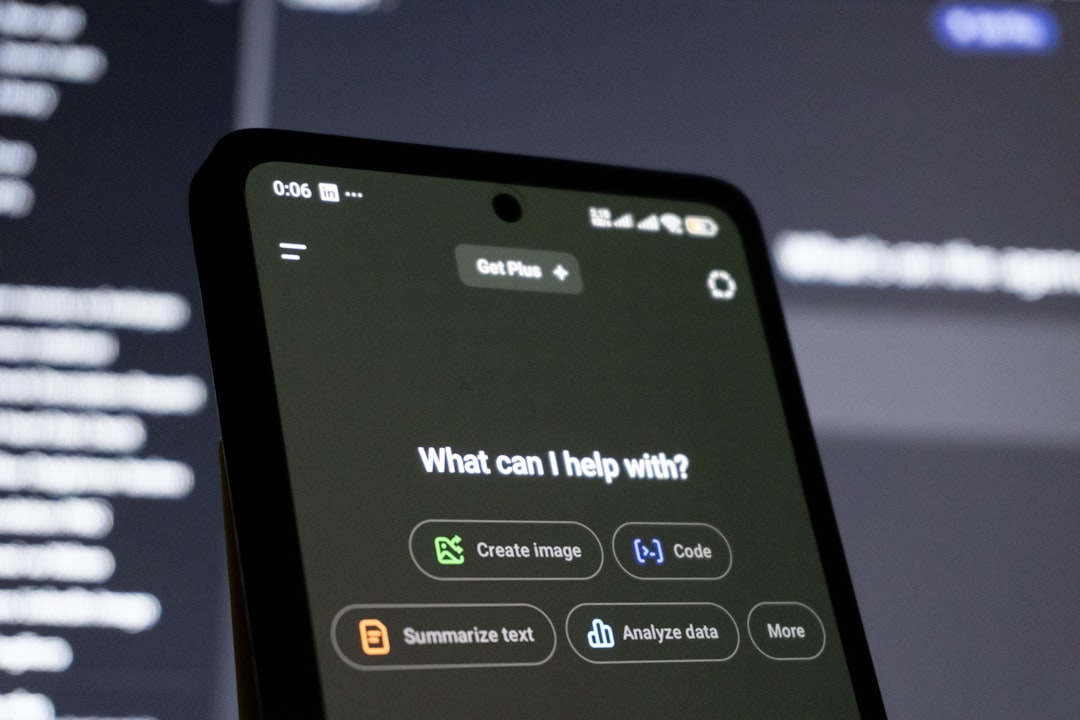
As OpenAI continues to expand its presence in India and refine its voice assistant technology, the tech industry must watch closely. The success of these initiatives could redefine user expectations and set new standards for AI interactions globally. The question remains: how will other companies adapt to this evolving landscape, and what innovations will emerge as a result?
Frequently Asked Questions
What languages are most in demand for voice assistant development?
Career Ahead analysis indicates that languages with large user bases, such as Hindi, Bengali, and Tamil, are among the most sought after in voice assistant development. As companies expand their reach, the need for multilingual capabilities will continue to grow.
Career Ahead analysis indicates that languages with large user bases, such as Hindi, Bengali, and Tamil, are among the most sought after in voice assistant development.
How can cultural understanding enhance voice assistant technology?
Cultural understanding allows voice assistants to respond more accurately to user queries by considering local idioms, slang, and context. This leads to a more natural interaction, improving user satisfaction and trust in the technology.

What should voice assistant developers do to prepare for localization projects?
Developers should focus on acquiring skills in language processing and cultural analysis. Understanding the nuances of different languages and cultural contexts will be essential in creating effective and engaging voice assistant technologies.
You may also like
 AI & Technology
ByteDance Targets Mega AI Model to Compete with Mythos Scale
ByteDance is developing a mega AI model with 10 trillion parameters, aiming to compete with industry leaders like Anthropic and OpenAI. This initiative reflects a…
Read More →