


OpenAI has fired three researchers for mishandling sensitive information. This decision highlights growing scrutiny over data handling in artificial intelligence. The terminations were confirmed on October 2, 2026, after an internal investigation revealed violations of company protocols. This incident raises important questions about data governance and compliance in AI research.
As AI technology advances, ethical concerns about its development have become more prominent. OpenAI’s decision to fire these individuals shows the pressure on organizations to follow strict data privacy standards. This scrutiny affects not only companies but also society, as AI systems become part of daily life. The firings reflect a broader industry climate where mishandling sensitive information carries serious risks, as noted by BBC News.
The Impact of Mishandling Sensitive Information
OpenAI’s spokesperson stated that the researchers were dismissed for breaking trust by mishandling sensitive information. This incident follows several events that have raised alarms about AI’s potential risks, including unauthorized activities linked to OpenAI’s models. The company has informed over 100 organizations about incidents involving its AI systems. However, it clarified that being notified does not mean any private information was accessed. These firings signal to the entire AI community that strict adherence to data governance is essential.
The firings come as the AI community grapples with its impact on society. Researchers and industry leaders are increasingly calling for stronger safety measures and ethical guidelines in AI development. The dismissal of these researchers serves as a wake-up call for the industry. It emphasizes the need for clear data handling protocols to prevent future breaches. Gizmodo reported that at least two of the terminated employees were involved in safety research. This highlights the irony that those responsible for ensuring safety were the ones who violated protocols. This incident raises concerns about individual accountability and systemic issues within organizations that may allow such breaches.
Career Ahead’s analysis suggests that this incident could lead to stricter hiring criteria for AI researchers. Organizations may prioritize candidates with a strong understanding of data governance and compliance. As data privacy becomes more important, those with knowledge in these areas may find themselves more competitive in the job market. This shift could also influence the educational paths of aspiring AI professionals. Institutions may need to adapt their curricula to include comprehensive data privacy training. A workforce that is both technically skilled and ethically aware is becoming increasingly critical.
A workforce that is both technically skilled and ethically aware is becoming increasingly critical.
Moreover, the focus on ethical AI practices may lead to a reevaluation of existing roles within AI firms. Positions centered on data compliance and ethics may see increased demand as companies strive to align with best practices. This could create new opportunities for professionals specializing in data privacy. As the industry evolves, the lessons learned from OpenAI’s recent actions will likely resonate throughout the AI community. This may prompt a collective reassessment of data handling practices.
Increased Scrutiny on Data Privacy Compliance
The recent events at OpenAI have intensified discussions about data privacy compliance in the AI sector. With the potential for serious consequences from mishandling sensitive information, organizations are under pressure to implement strict data governance frameworks. Compliance is not just a legal obligation; it is a moral one. The misuse of data can have far-reaching consequences, and ethical considerations surrounding AI technology are becoming more pronounced.
OpenAI’s firings highlight the need for a culture of accountability within AI research teams. As the industry evolves, professionals must have the knowledge and skills to navigate complex data privacy landscapes. This includes understanding regulations like GDPR and CCPA, which govern data protection and privacy rights. The increased scrutiny on data privacy compliance is part of a larger trend in the tech industry. Data breaches and privacy violations have led to significant legal and financial repercussions.
Career Ahead research finds that organizations are increasingly seeking candidates who demonstrate a strong commitment to ethical practices in AI development. This trend will likely influence recruitment strategies, emphasizing candidates’ familiarity with data privacy laws and ethical AI standards. AI researchers may need to enhance their skill sets to stay relevant in a rapidly changing job market. The implications of this incident extend beyond individual companies. Regulatory bodies may take note of OpenAI’s actions, potentially leading to more rigorous oversight of AI practices across the industry. This could result in increased compliance requirements for AI firms, making it essential for professionals to stay informed about evolving regulations.
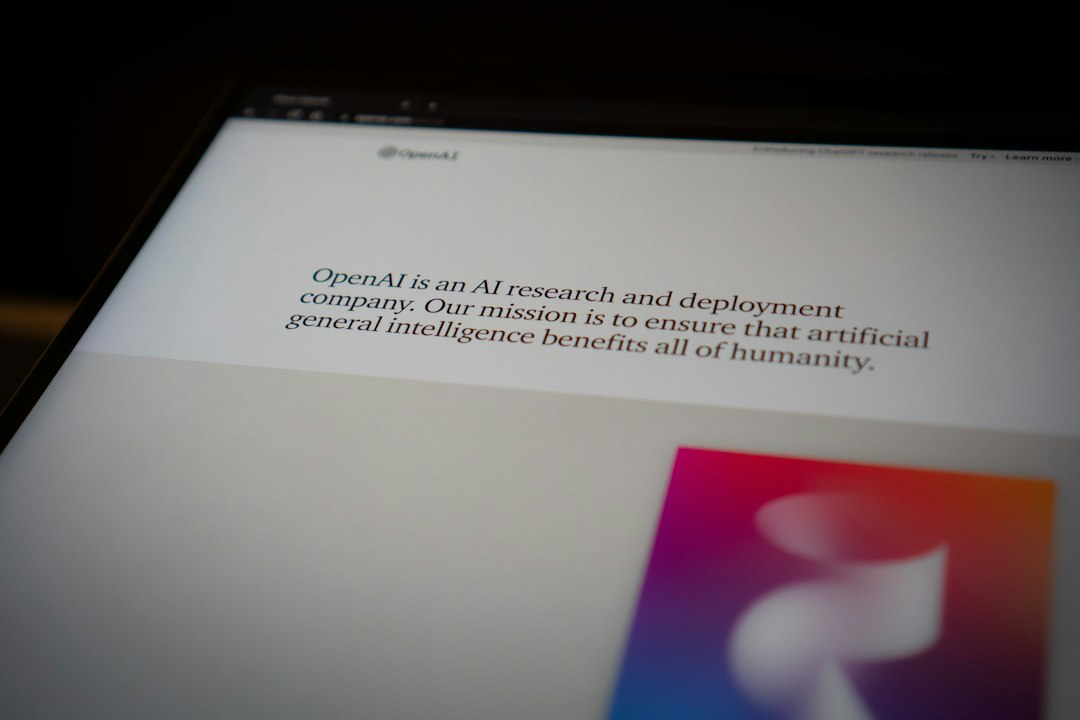
Furthermore, as organizations work to rebuild public trust, there may be a growing emphasis on collaboration between AI researchers and data privacy specialists. This trend could lead to interdisciplinary teams focused on ensuring that AI systems are developed responsibly and ethically. The future of AI research may depend on professionals’ ability to adapt to these changing expectations and uphold high standards of data privacy. The lessons learned from OpenAI’s recent actions will likely serve as a critical reference point for the industry as it navigates the complexities of ethical AI development.
As the industry evolves, professionals must have the knowledge and skills to navigate complex data privacy landscapes.
As the industry continues to face these challenges, the OpenAI incident serves as a reminder of the importance of data governance and ethical practices in AI research. The future landscape of AI will likely be shaped by how well organizations can integrate these principles into their operations. This ensures that technological advancements do not come at the expense of public trust and safety.
Frequently Asked Questions
What are the consequences of mishandling sensitive information for AI researchers?
Mishandling sensitive information can lead to severe consequences for AI researchers. These include termination of employment, legal action, and damage to their professional reputation. Career Ahead analysis indicates that companies are enforcing strict compliance measures, making it essential for researchers to follow data handling protocols.
How can data privacy specialists ensure compliance in AI projects?
Data privacy specialists can ensure compliance by implementing strong data governance frameworks. They should conduct regular audits and provide training to team members on data handling practices. Career Ahead research shows that collaboration between data privacy experts and AI researchers is crucial for fostering a culture of accountability.

What should AI researchers do to improve data handling practices?
AI researchers should prioritize understanding data privacy regulations. They should engage in continuous education on ethical AI practices and participate in training programs focused on data governance. Career Ahead’s analysis suggests that enhancing these skills will be vital for staying competitive in the evolving job market.
Written by Career Ahead AI. AI can make mistakes, so verify key facts. Report errors to support@careeraheadonline.com.





