OpenAI launched its Business Hub on Tuesday, adding a beta feature for businesses to ChatGPT.
The beta hub adds business profiles and interaction metrics
OpenAI launched the Business Hub on Tuesday, and the feature is currently in beta. OpenAI described ChatGPT as a platform where people and businesses connect through AI. It called the announcement an early step in bringing businesses more deeply into ChatGPT. The launch therefore begins with a limited feature, rather than a fully established business service.¹
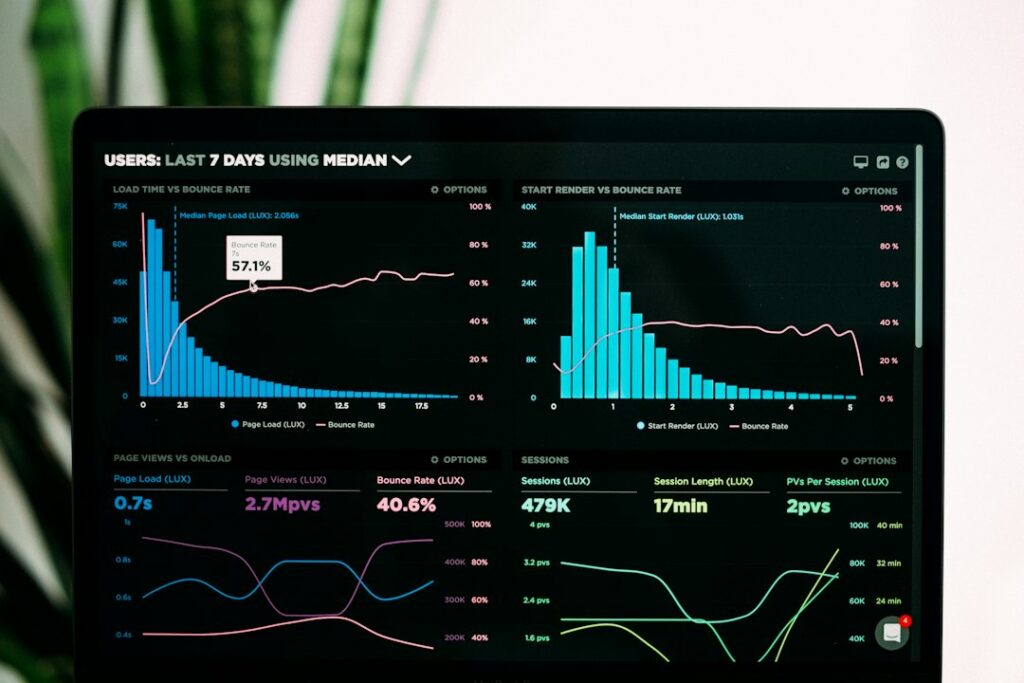
The Hub gives users access to limited business insights about how ChatGPT users interact with products. The listed measures include profile views, business mentions and website clicks, along with other metrics. These are signals of activity around a business inside ChatGPT: views show attention to a profile, while mentions and clicks capture other forms of interaction. The feature offers those measures, but the available information does not specify additional metrics.¹
Businesses must verify their profiles through a formal process.
Eligible companies can also create a specialized agent
Eligible companies can create and launch a specialized business agent through the offering. That adds a separate capability alongside profiles and insights: a company can have an agent designed for its business, while the Hub’s metrics show some ways ChatGPT users interact with its products. The eligibility condition applies to the agent feature; the available details do not set out which companies qualify or explain how the agent works.¹
 Entrepreneurship & Business
The Silent Exodus: How Founders Vanish Mid-Business
Corey Lahey’s 2026 analysis reveals that 990/1,000 pitches receive no follow-up, with 80% of rejections "ghosted"—no response at all.
Read More →Businesses must verify their profiles through a formal process. OpenAI did not share specifics about what verification involves, so the requirements and steps remain unclear. The announcement establishes verification as a condition for business profiles, but gives no list of documents, review timelines or other requirements. The stated details also do not explain how profile verification relates to eligibility for creating an agent.¹
Verification methods vary by business and market
In remarks to journalists on Monday, OpenAI described multiple verification methods for different types of business in different markets. That indicates the process is not presented as one identical route for every company. But the details remain limited: the announcement gives no examples of the methods or markets, and the formal verification process has no published step-by-step description in the available information.¹
The verification requirement and the limited insights define what the Hub currently offers businesses: profiles must pass a formal process, and users can see selected interaction measures. The announced metrics include profile views, mentions and website clicks, but the details do not describe how often the data updates or how businesses can use it. The beta status also means the feature is still being tested, rather than presented as a finished service.¹
The hub follows an earlier e-commerce effort
OpenAI previously tried to make ChatGPT an e-commerce hub, using a commission-fee system. The effort was viewed as a potentially large source of revenue and as a way to make ChatGPT a more direct competitor to Amazon. That project ultimately failed to take off. Its aim was to bring shopping into ChatGPT, while the Business Hub’s announced features focus on business profiles, interaction insights and specialized agents.¹
OpenAI retired the e-commerce effort in March. The project had included a checkout cart feature, but it did not gain enough traction to continue. The Business Hub is a different attempt to bring businesses into ChatGPT: its described tools centre on profiles, selected measures of user interaction and agents for eligible companies. The announcement does not say that the Hub includes shopping or checkout features.¹
 Entrepreneurship & Business
Serve Robotics Launches Physical AI Services for Robots
The three-product line includes a link to data-centre AI, a tool for finding edge cases and a catalog built from Serve’s sidewalk robots.
Read More →The verification requirement and the limited insights define what the Hub currently offers businesses: profiles must pass a formal process, and users can see selected interaction measures.
Watch How AI Agents Change Business Profiles
If you run a business, the new hub signals that your brand's presence inside ChatGPT now carries measurable weight. Profile views, mentions, and website clicks become visible signals of customer attention. That means you should start tracking how often your business appears in AI conversations, because these metrics may soon influence how you evaluate marketing spend or compare yourself to competitors. The beta status means the feature is still being tested, so treat early data as provisional, not as a stable benchmark.¹
The verification process is a formal hurdle, but OpenAI has not disclosed its steps, and methods vary by business type and market. For a job seeker or freelancer, this suggests that building a verified profile could become a credential in itself, though the requirements remain unclear. Also note that OpenAI's earlier e-commerce attempt failed and was retired in March. That history warns you not to assume this hub will succeed; plan for the possibility that these features may change or disappear, so do not hinge your entire strategy on them.¹
Sources
Written by Career Ahead AI. AI can make mistakes, so verify key facts. Report errors to support@careeraheadonline.com